Security
CCTV InstallationAccess ControlBiometrics & AttendanceElectric FencingAutomatic GatesFire Alarm SystemsSecurity Guards & K9Power & Electrical
Solar InstallationSolar & Power BackupElectrical InstallationSmart Home AutomationBuilding Management (BMS)IT & Networking
Networking & Wi-FiIT SupportCyber SecuritySystem IntegrationIntercom SystemsPA SystemsPOS SystemsQueue ManagementFrom perimeter protection and smart gates to visitor management, LPR, CCTV and access control, Qyvea designs, installs and maintains the complete security infrastructure.
Guards and cameras on their own don't make an estate secure. These are the gaps we find most often.
Each level adds more integration. Higher isn't automatically better for every estate: the right level depends on size, risk and budget. Select the level closest to your estate today.
We don't sell individual devices. We design the security infrastructure of the estate, with every layer feeding the next and everything recorded in one place.


Instead of a long equipment list, we plan the estate as six zones, each with the protection it actually needs.
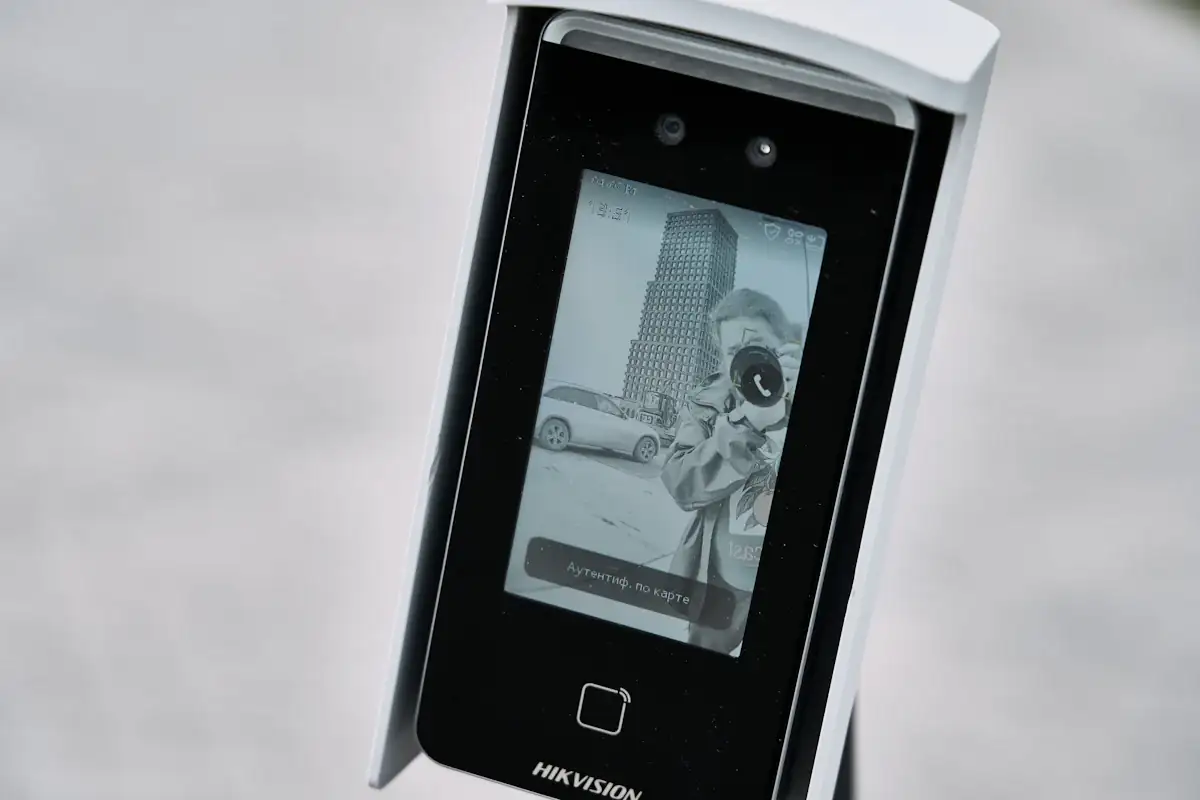
Give residents faster entry while keeping complete records of vehicles entering and leaving the estate. Qyvea supplies and installs the full system, with plate recognition, barrier, CCTV and access records all working together.
Cameras at the gate read each vehicle's plate as it approaches, day and night, so residents don't have to wait for a guard or reach for a remote.
Registered resident plates open the gate automatically. Vehicles are added or removed centrally when residents move in, change cars or move out.
Visitor plates are recorded at the gate and given time-limited access, so every visit is logged in the system instead of a guard's notebook.
Flag vehicles the estate has banned. When a flagged plate is read, the barrier stays closed and the guard is alerted.
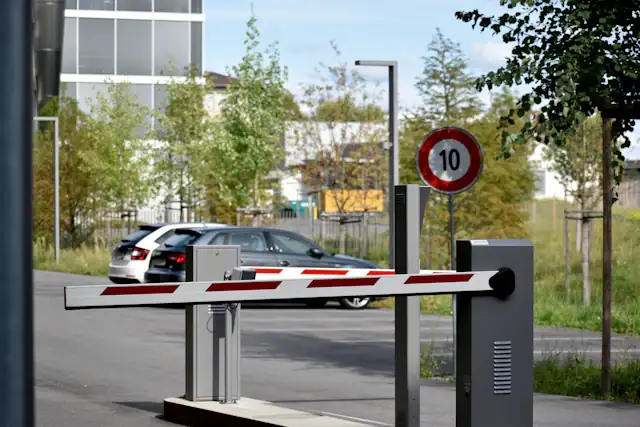
Plate recognition triggers the boom barrier or gate motor directly, with safety beams so the arm never closes on a vehicle.
Every movement is time-stamped against the plate, so the committee can answer "which vehicle left at 2am?" in seconds, without scrolling through hours of footage.
Each plate read is linked to a camera image of the vehicle, so records can be checked visually and disputes settled with evidence.
Long-range windscreen tags for residents' vehicles, as an alternative or backup to plate recognition.


See the full resident and visitor flow in the Smart Estate Gatehouse section below.
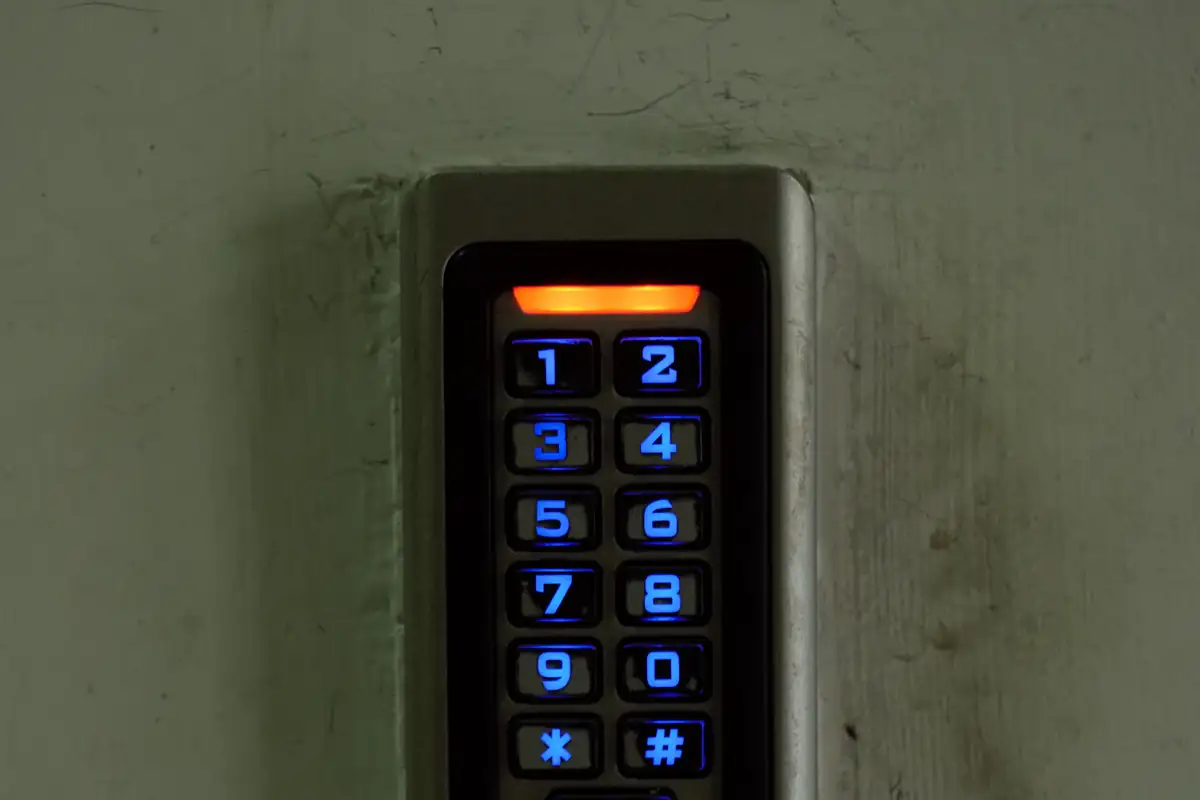
Most people who come through an estate gate don't come by car. Each type of person gets the credential that fits them.
From the most permanent credential to the most temporary.
| Residents | Biometric (fingerprint/face) or card |
| Domestic workers | Biometric with a weekday schedule |
| Contractors | Temporary card or PIN, valid for the project dates |
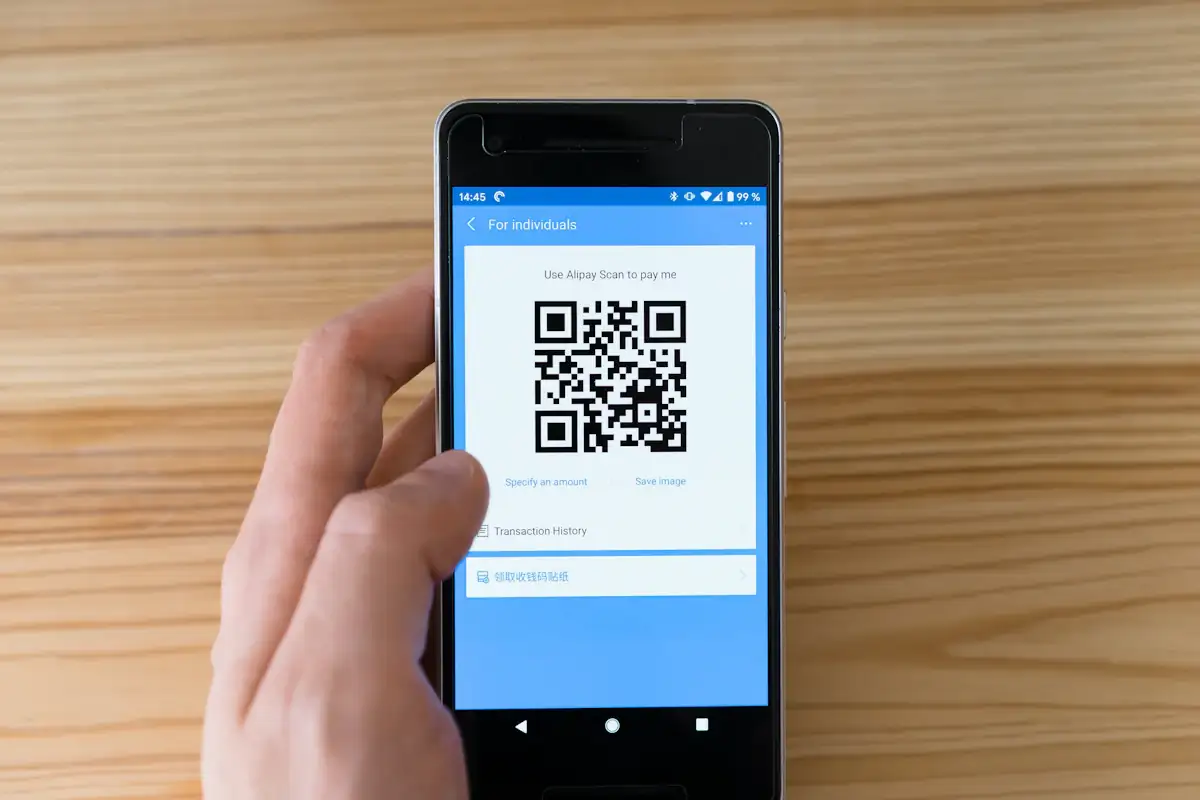
| Visitors | QR / temporary PIN, or intercom verification |
| Children | Card, with CCTV coverage at the pedestrian gate |
| Staff | Biometric, which can double as time attendance |
| Service providers | Scheduled temporary credential |
Staff biometrics can also feed time & attendance for estate employees.


The daily problem at estate gates isn't residents. It's visitors, deliveries, contractors, domestic workers and temporary access. Qyvea supplies, installs and configures a visitor-management system that moves approval to the resident and the record into the system.


Don't make guards watch hundreds of camera feeds. Intelligent video analytics identify people, vehicles and defined security events, and bring attention to what matters.


Investigations take minutes instead of hours: search by plate, time window or event type rather than scrubbing through footage. See Hikvision ColorVu cameras and CCTV for apartments.

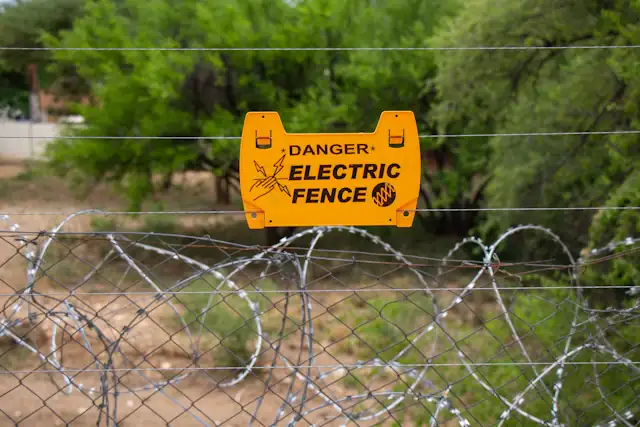
Zoning the fence means an alarm tells the guard which stretch of boundary was touched, and the nearest camera shows what's there. See electric fencing for estates and the energizer selection guide.
The gate is where the most traffic, the most risk and the most disputes happen. This is how a Qyvea gatehouse handles residents and visitors.

Equipment is the easy part. These are the day-to-day situations the system has to handle, designed in before installation.
Every estate system eventually loses power, loses network or has a gate fault. The question is what happens next. We design that answer in before installation, not after the first incident.
Qyvea also installs fire alarm systems, so life safety is planned with the security system rather than as a separate job.
Large estates don't only have a security problem. They have a traffic problem. At peak hours residents, visitors, deliveries, school vehicles, taxis and contractors all arrive at once, and a queue onto the main road is itself a security risk.
Residents never wait behind a visitor being registered: plate recognition opens their lane, visitors stop in their own lane, and exits are never blocked by entries.
Contractors aren't visitors. They come back day after day, often in groups, with vehicles and tools, for a defined job. Management sets the rules once, and the gate enforces them.
Couriers, food deliveries and parcels are the highest-volume, lowest-trust traffic at most estate gates. They get their own rules, not a resident's credentials.

An access system is only as good as its resident list. Most estates' problems come from people who moved out but can still get in. Every change goes through a defined workflow, done by the estate administrator, not the guard.
The same workflow covers tenants: a landlord or agent can request access for a new tenant, and the administrator approves it.
“24/7 monitoring” should never be a vague promise. Here is exactly what is monitored, and by whom.
Guard oversight comes from the same system: digital gatehouse logs, patrol checkpoints and incident reports replace the paper logbook, so the committee can see what happened on every shift.

The end state: one view of every camera, gate, fence zone and visitor, and a monthly report that turns the maintenance contract into a measurable service.
Illustrative dashboard. Layout and figures are examples; the actual dashboard depends on the platform specified for each estate.
Beyond 4-hour emergency response and monthly health reports, the committee gets numbers it can track month to month:
Power cuts are exactly when an estate is most exposed. A power failure shouldn't take down any part of the security system.
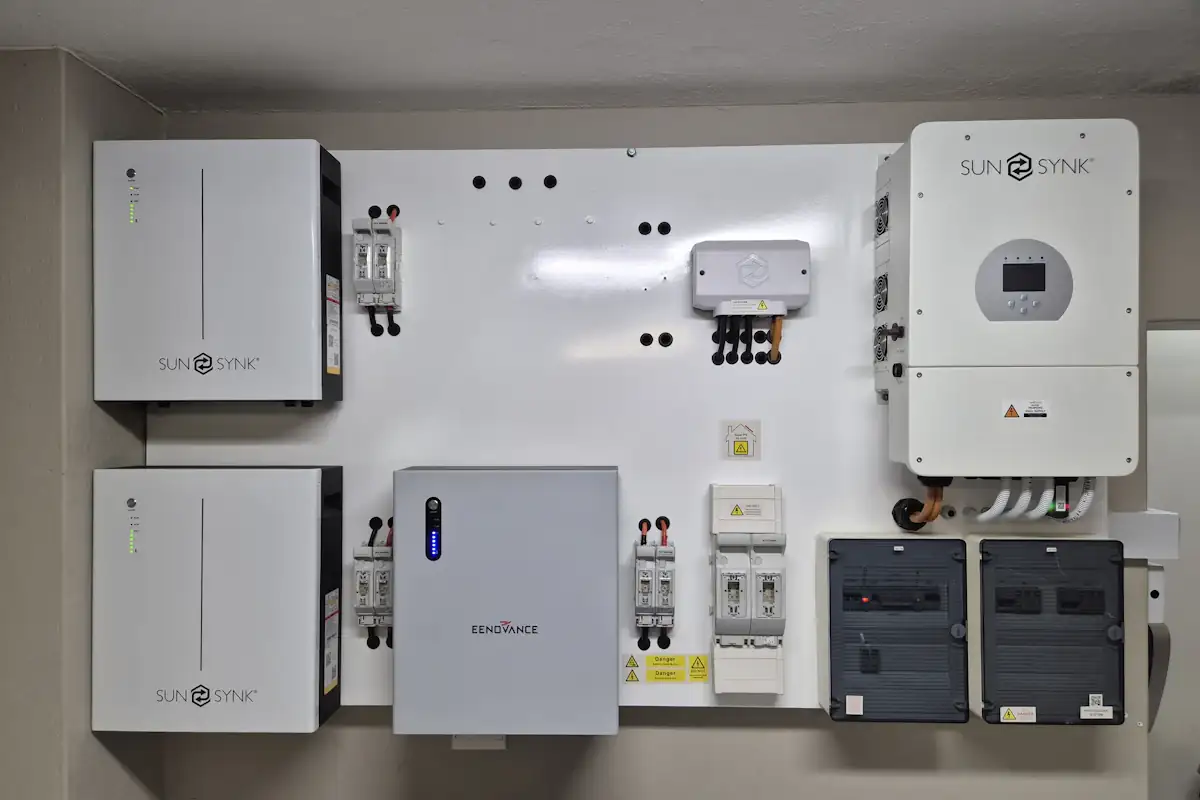
Because Qyvea also does solar and electrical work, the estate's security and its backup power are designed together, sized for the actual security load, not bolted on afterwards. See solar backup solutions and security system backup power.

System tiers, not fixed prices. Every estate is quoted after assessment, but these show what level of system fits your community.
| System | Essential Estate | Smart Estate | Integrated Estate |
|---|---|---|---|
| CCTV | ✓ | ✓ | ✓ |
| Electric fence | ✓ | ✓ | ✓ |
| Automatic gates | ✓ | ✓ | ✓ |
| Resident access control | ✓ | ✓ | ✓ |
| Visitor management | ✓ | ✓ | ✓ |
| LPR / ANPR | — | ✓ | ✓ |
| AI CCTV analytics | — | ✓ | ✓ |
| Intercom | Optional | ✓ | ✓ |
| Security lighting | Optional | ✓ | ✓ |
| Solar / UPS backup | Optional | ✓ | ✓ |
| Central monitoring | — | Optional | ✓ |
| Multi-gate management | — | ✓ | ✓ |
| Maintenance contract | ✓ | ✓ | ✓ |
The master plan splits the work into phases, and each one is designed to plug into the next, so nothing bought early has to be replaced later.

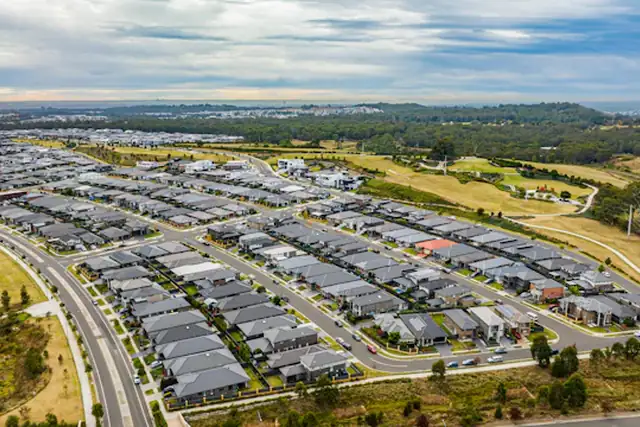
Vehicle, resident and visitor access at a shared entrance, plus perimeter protection.

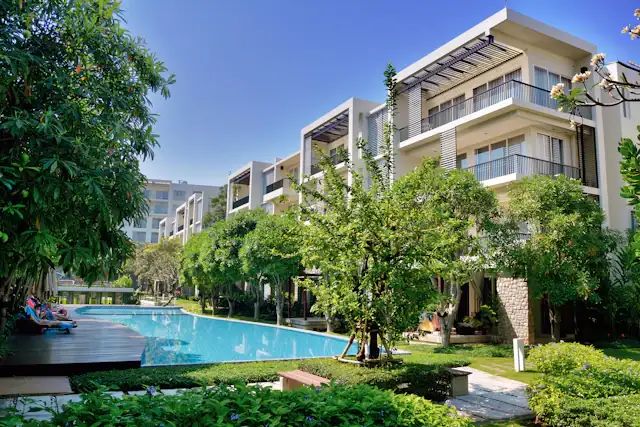
Lobby, parking, lifts and common areas, with access control per block and floor.

Shared perimeter and entrance, with optional security for each home.

Residential and commercial access kept separate in one building.
For developers building gated estates, apartment complexes, townhouse developments, mixed-use communities and residential compounds. Plan security before the walls are finished, when it costs the least.

Retrofitting conduit, cabling and power after plastering is slow, visible and expensive. Involving Qyvea at design stage means the infrastructure is built in from the start.
We understand the unique challenges of securing multi-home communities. One contract, one team, one standard of quality.
Special rates for 50+ homes. The more units, the better the pricing for your HOA budget.
Dedicated project manager for your entire estate. No coordination headaches, just smooth execution.
Guaranteed response times to keep homeowners happy. Show your residents you care about their security.
Complete security upgrade for 87 luxury homes with CCTV, electric fencing, and biometric access control.
"Qyvea transformed our entire estate security. One contract, one point of contact, and every homeowner is thrilled with the results."

Every installed system is tested against a checklist before handover, with the estate committee or manager present.
The project isn’t complete when the equipment is mounted. It’s complete when the system has been tested and handed over.
Anyone can install hardware. A professional integrator also leaves behind the documentation the estate needs to run, maintain and hand the system on to another company if it ever wants to.
Passwords are never written into the handover pack: admin credentials are handed over in person under a defined procedure, and changed by the estate.
“Will we have to throw away everything we already bought?” Usually not. Where technically compatible, Qyvea integrates:
The assessment checks compatibility system by system, and says plainly when something can't be integrated.
A 200-home estate doesn't automatically need the same system as a 500-home development. The design depends on:
Committees usually compare several quotations. Ours is laid out so it can be compared line by line, with nothing hidden in the small print.
Qyvea assesses the estate and produces a structured security roadmap, so money goes where the real gaps are and no equipment is bought that isn't needed.
A Qyvea engineer walks the estate with your committee or manager. You receive a written plan with findings, priorities and phasing that your committee can budget from.
Example extract showing the format of the plan. Illustrative, not a real client's findings.
| Area | Existing condition | Security gap | Recommended system | Priority | Phase |
|---|---|---|---|---|---|
| Perimeter | Fence wires sagging on one boundary, single alarm zone | Intrusion point not detected or located | Re-tension, split into alarm zones linked to gatehouse | High | Phase 1 |
| Main gate | Manual boom, paper visitor book | No vehicle or visitor records | ANPR, automatic barrier, digital visitor log | High | Phase 1 |
| CCTV coverage | Standalone cameras, rear road not covered at night | Blind spots, no event alerts | Cameras with human/vehicle detection at gaps | Medium | Phase 2 |
| Power resilience | No backup at the gatehouse | Gate and cameras fail in outages | UPS, battery and solar sized for security load | High | Phase 1 |
| Future expansion | New block planned | No ducting or network capacity provisioned | Ducting and network backbone to the new block | Low | Phase 3 |
Plate recognition with a resident whitelist and blacklist alerts. Only approved vehicles open the barrier.
Every entry and exit is logged with plate, time and a CCTV image, searchable in seconds.
The card is disabled centrally in the resident database straight away and a new one is issued. No lock changes needed.
Residents pre-approve visitors, who get a temporary PIN/QR pass. Guards verify it, and entry and exit are recorded.
Digital gatehouse logs, patrol checkpoints and incident reports replace the paper logbook.
Camera-health alerts flag offline cameras, failed recording or full storage before you need the footage.
Search recordings by plate, time, person or vehicle event instead of scrubbing through hours of video.
UPS, batteries, solar and automatic changeover keep cameras, fence, gates and network running.
All gates share one resident database, one set of access rules and one set of records.
Monthly system-health and incident reports that a committee can read without technical knowledge.
Often not. Where technically compatible, existing CCTV, gates, access control, fencing and power systems can be integrated. The assessment identifies what to keep, upgrade or replace.
UPS and battery backup keep the system running through a power cut. Where the hardware supports it, access controllers keep working locally during a network outage and sync when it's restored. Gates have a manual or emergency release procedure that guards are trained on.
Yes. Contractors get passes limited to a unit, dates, hours and vehicle, authorised by a named person. Deliveries can be limited to gatehouse drop-off or a single-entry pass that expires on exit.
We cover all major estate communities in and around Nairobi.
Start with a free assessment and a written security plan, or ask for a proposal if you already know what you need.
For estate perimeter points far from any power source, see solar CCTV camera options.