Solar CCTV Cameras in Kenya
How solar-powered CCTV cameras actually work, where they genuinely make sense, and where they don't — an honest look before you decide, not a sales pitch.

Security
CCTV InstallationAccess ControlBiometrics & AttendanceElectric FencingAutomatic GatesFire Alarm SystemsSecurity Guards & K9Power & Electrical
Solar InstallationSolar & Power BackupElectrical InstallationSmart Home AutomationBuilding Management (BMS)IT & Networking
Networking & Wi-FiIT SupportCyber SecuritySystem IntegrationIntercom SystemsPA SystemsPOS SystemsQueue ManagementHow solar-powered CCTV cameras actually work, where they genuinely make sense, and where they don't — an honest look before you decide, not a sales pitch.
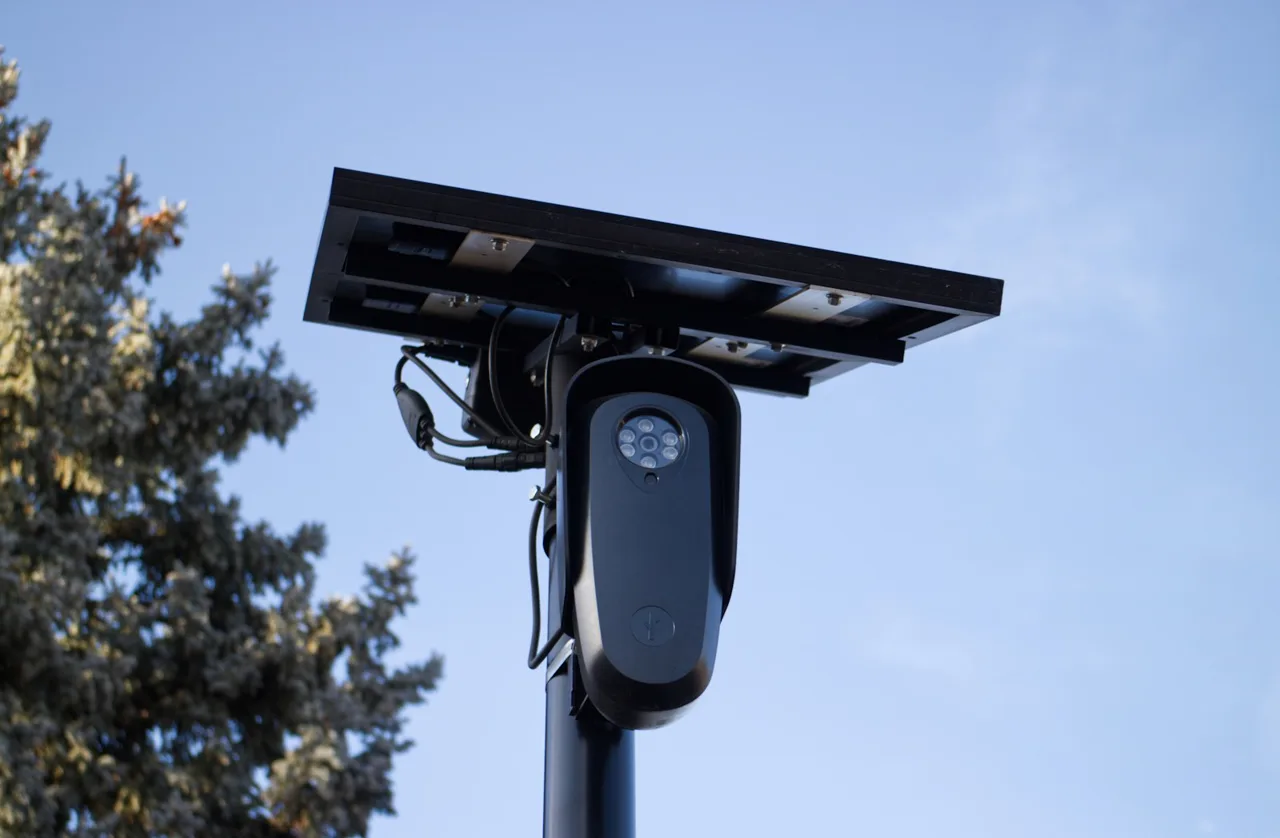
A solar CCTV camera is a surveillance camera powered by a solar panel and a rechargeable battery, instead of running on mains electricity. During the day, the panel charges the battery; the camera then draws from that battery around the clock, including overnight. The panel and battery are either built into one compact unit (common on smaller solar cameras) or mounted separately with a larger panel and battery box for bigger installations.
The point is simple: it lets a camera run somewhere that mains power doesn't reach, or where running a cable to reach it would be expensive, disruptive, or impractical.
Temporary by nature, often with no permanent power yet. See CCTV for Construction Sites.
Large areas, boundaries far from any building with power.
Land or property not yet connected to the grid, or where the connection is unreliable.
A far corner of a large compound where running a cable back to the main building isn't practical.
Outdoor storage yards and loading areas away from the main power distribution. See CCTV for Warehouses.
Perimeter coverage before permanent power infrastructure is complete.
Areas where grid power is unreliable or has not yet reached the site.
Events, short-term projects, or sites where a permanent install doesn't make sense.
Frequent outages where mains-only cameras would go dark repeatedly.
Power and connectivity are two separate problems. Solar solves power; it doesn't automatically give the camera internet access. Depending on the site, footage and remote viewing are handled through:
Two real, in-stock units — an honest look at the difference, so you can pick the right one instead of guessing.

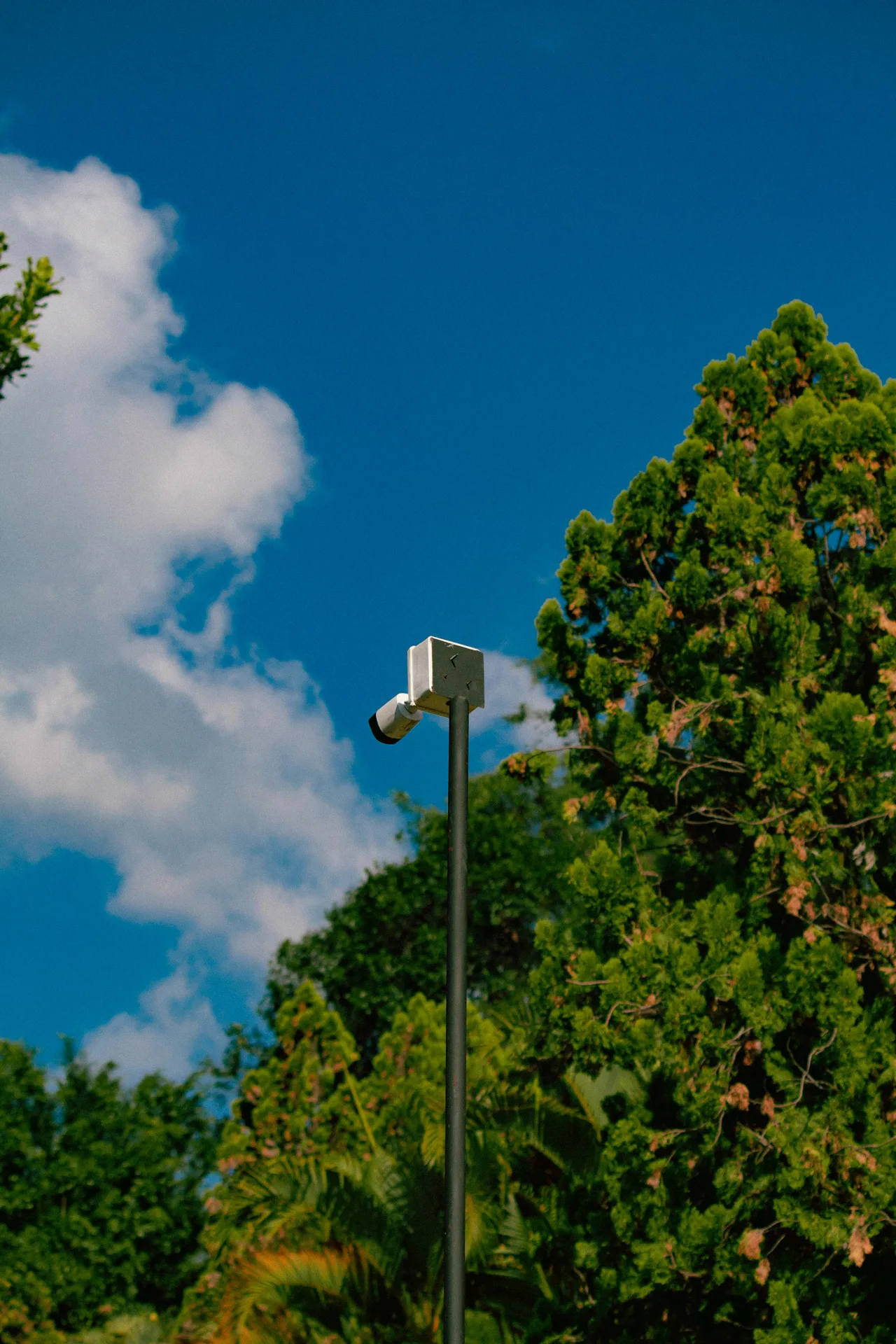
Comes with a SIM slot for remote viewing and an SD card for local storage — a straightforward entry point for a farm gate, shamba boundary or single remote point.
KES 15,000 KES 20,000

8W panel + 9,000mAh battery, 4G LTE, person/vehicle motion detection with smart tracking, two-way audio, 30m hybrid night light, IP66-rated for Kenyan weather.
KES 20,000 KES 24,000
Which one to choose comes down to the site: the standard unit suits a single, straightforward point (a gate, a boundary corner) where basic remote viewing is enough. The intelligent model's larger battery and panel, motion tracking and two-way audio suit a more active perimeter point, or a site where you want to talk to whoever the camera has spotted. Neither is universally "best" — it depends on what the site actually needs, which is worth confirming with us before you buy.
An undersized battery means the camera can go dark before dawn, especially with infrared active all night.
A panel in partial shade for part of the day charges less than the site survey might assume.
Kenya's long rains can mean several consecutive low-sun days, which a correctly sized battery buffers but doesn't eliminate as a risk.
A PTZ (pan-tilt-zoom) or heavy infrared camera draws far more power than a simple fixed camera — sizing must match the actual camera chosen.
Solar keeps the camera running; it does not by itself get footage off the site — that's a separate connectivity decision.
Local storage capacity and cloud storage costs both need to be considered upfront, not as an afterthought.
Solar CCTV is not universally better than a mains-powered camera — it's the right tool specifically where grid power is unavailable, unreliable, or impractical to extend to. Where mains power is already available and reliable, a conventional powered camera is usually simpler and cheaper.
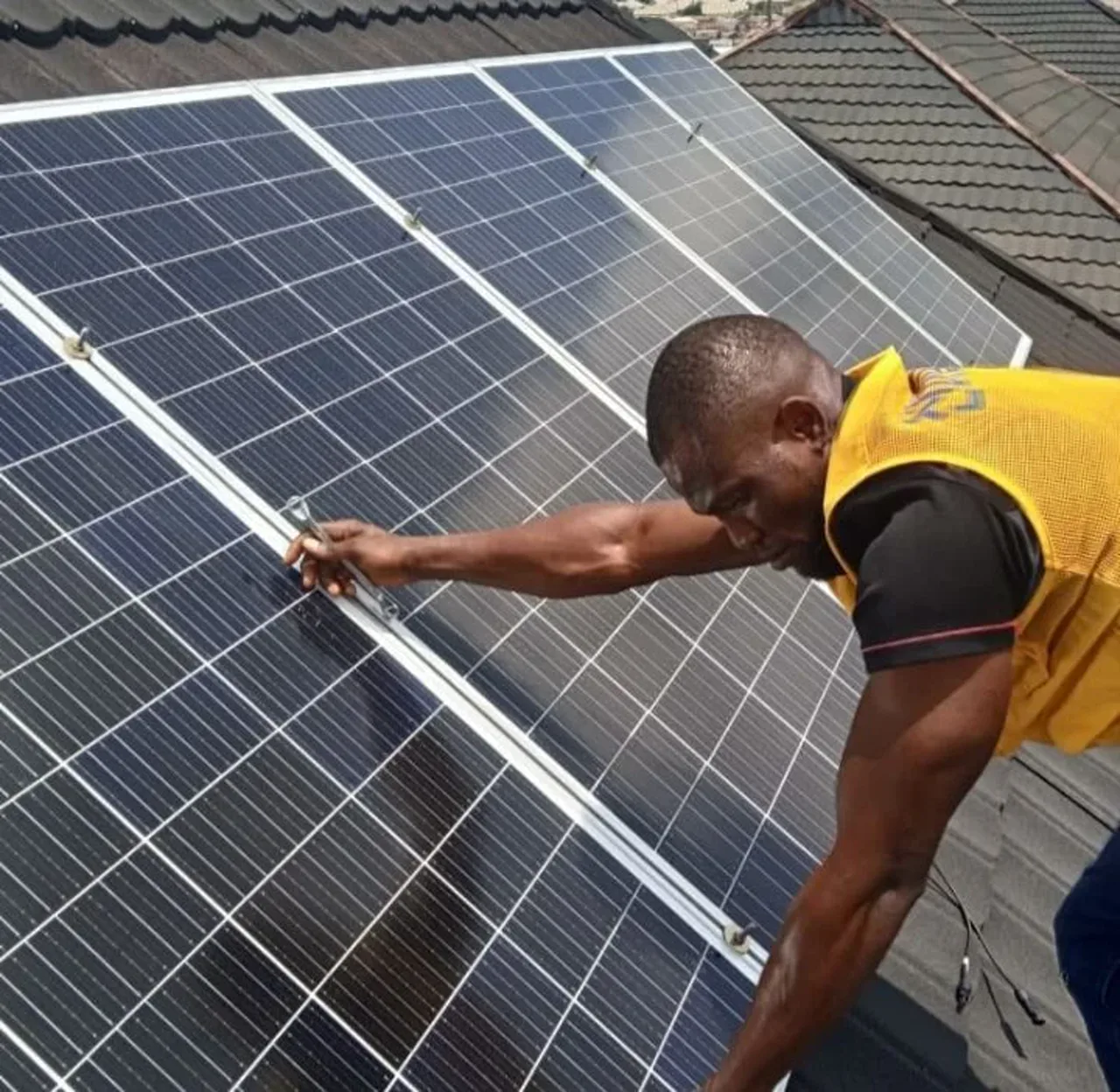
Panels can accumulate dust and need periodic cleaning, batteries degrade over time and eventually need replacing, and connectors exposed outdoors are worth checking periodically. See our maintenance and support service for ongoing servicing of solar CCTV systems, including battery health checks.
A solar CCTV camera is a surveillance camera powered by a solar panel and a rechargeable battery instead of (or in addition to) mains electricity, so it can run in locations where grid power isn't available or isn't practical to run to.
Yes, for power — the camera and its recording/transmission hardware can run entirely from the solar panel and battery. Internet connectivity for remote viewing is separate from power and usually needs its own solution, such as a 4G/5G SIM, since there may be no fixed-line or Wi-Fi internet on an off-grid site either.
The battery is sized to carry the camera through normal day-to-night cycles and some cloudy days, but an extended stretch of poor sunlight reduces how much charge the panel can put back in. A correctly sized system for Kenya's climate should handle typical weather, but no solar system is completely immune to several consecutive very overcast days.
By working backwards from the camera's actual power draw (higher for PTZ or infrared-heavy cameras, lower for a simple fixed camera), how many hours of backup you need without sun, and the site's typical sunlight hours — not a generic one-size panel and battery for every camera.
The camera itself is comparable, but the solar panel, battery, mounting and controller add cost compared to simply plugging into existing mains power. Where trenching cables to a remote location would itself be expensive or impractical, solar can still work out more cost-effective overall.
Tell us about the site and what you need covered — we'll advise honestly, including if a mains-powered camera would suit you better.