On this page
01. The picture02. Why it matters03. Step by step04. Where it goes05. In stock now06. Get a free survey07. FAQ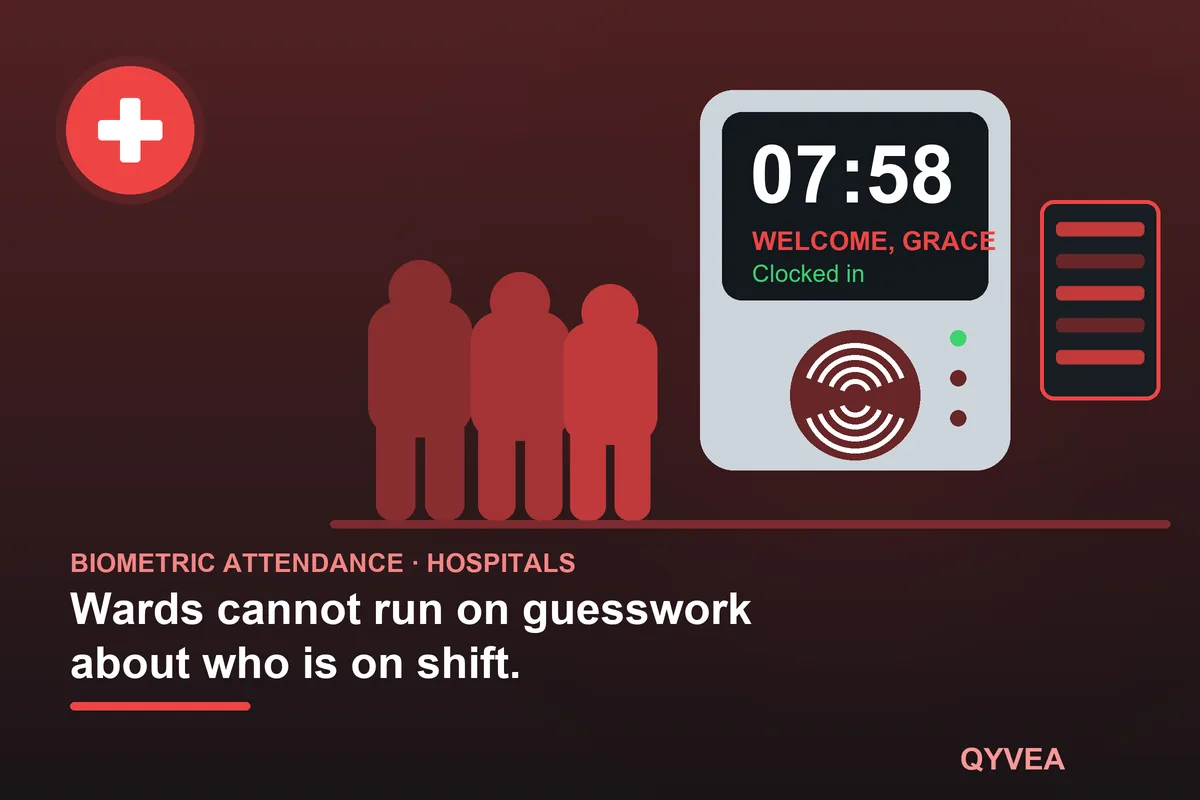
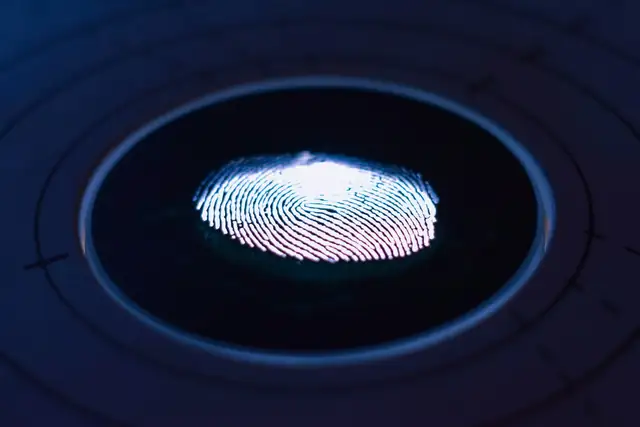
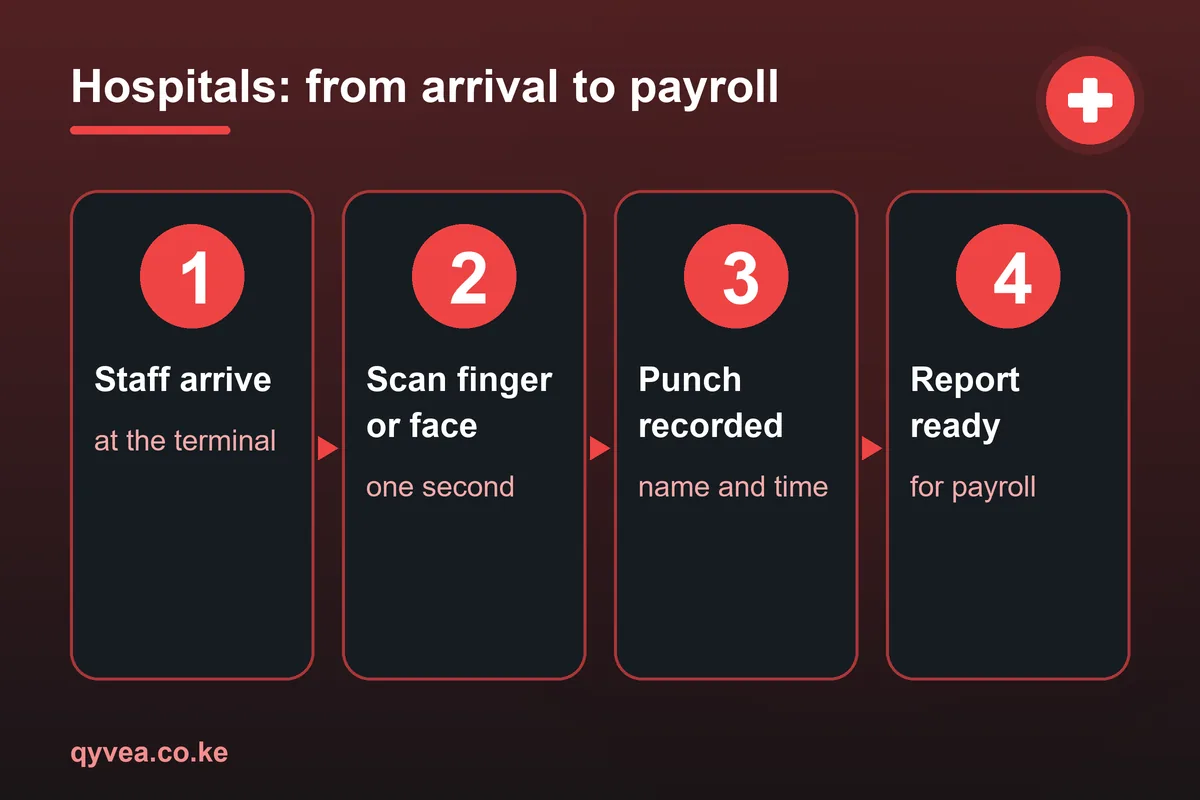
Wards cannot run on guesswork about who is on shift. A biometric attendance system (also called a fingerprint attendance machine or time attendance system) records who arrived, and when, with their own finger or face. For hospitals, that means exact start and end for every shift, and night and weekend hours recorded automatically.
Key takeaways
- Exact start and end for every shift
- Night and weekend hours recorded automatically
- Fewer disputes at payroll time
- Qyvea supplies, installs and trains your team.
01The picture
02Why it matters
03Step by step
04Where it goes
05In stock now
06Get a free survey
07Frequently asked questions
Can it handle rotating shifts?
Yes. Shifts, night hours and overtime rules are set in the software and applied to every punch.
Is it hygienic for clinical staff?
Face recognition and contactless cards avoid touching a sensor. Choose the method that suits your wards.
Can it cover casual and locum staff?
Yes. Enrol them for the days they work and remove them afterwards.
Fingerprint or face recognition: which is better?
Both are accurate on good terminals. Fingerprint suits most offices and is familiar. Face suits gloves, hygiene areas and fast flows. Many terminals offer both, plus cards as a backup.
How much does a time attendance terminal cost?
It depends on the terminal type, the number of staff and the software. See our biometrics page; we quote after a free survey.
Does it work in a power cut or without internet?
Yes. Terminals store punches and sync when power and network return. A small UPS covers short cuts.
Do staff need to be trained?
Enrolment takes about a minute per person, and we train HR and managers on the reports.