Door Access Control Kenya
The hardware side of access control — electric strikes, maglocks, readers, keypads, controllers, exit buttons and break-glass units fitted cleanly on new or existing doors across Kenya.

Security
CCTV InstallationAccess ControlBiometrics & AttendanceElectric FencingAutomatic GatesFire Alarm SystemsSecurity Guards & K9Power & Electrical
Solar InstallationSolar & Power BackupElectrical InstallationSmart Home AutomationBuilding Management (BMS)IT & Networking
Networking & Wi-FiIT SupportCyber SecuritySystem IntegrationIntercom SystemsPA SystemsPOS SystemsQueue ManagementThe hardware side of access control — electric strikes, maglocks, readers, keypads, controllers, exit buttons and break-glass units fitted cleanly on new or existing doors across Kenya.
Door access control is the hardware on a specific door that makes it open only for the right person at the right time — and records every use. Qyvea Limited installs the full set: reader on the outside, exit device on the inside, lock in or on the frame, controller in a comms cabinet or above the ceiling, and power with battery backup. Systems are wired cleanly, tested door-by-door, and integrated with the wider access control software.
Replaces the strike plate in the frame. Retains the existing lock. Used on wooden and light metal doors.
Electromagnetic lock holding the door shut. Strong, unobtrusive, ideal for heavy doors and fail-safe use.
Electric bolt lock for glass or all-glass doors — concealed or surface-mounted.
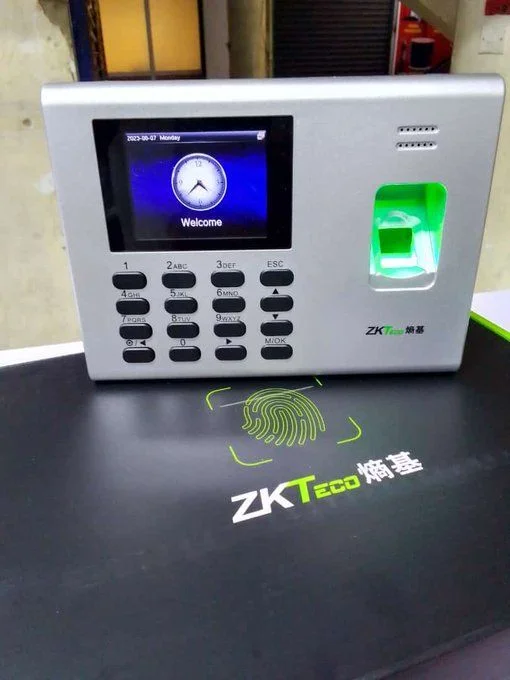
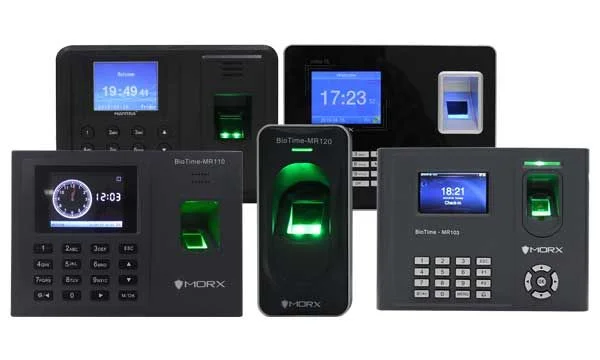
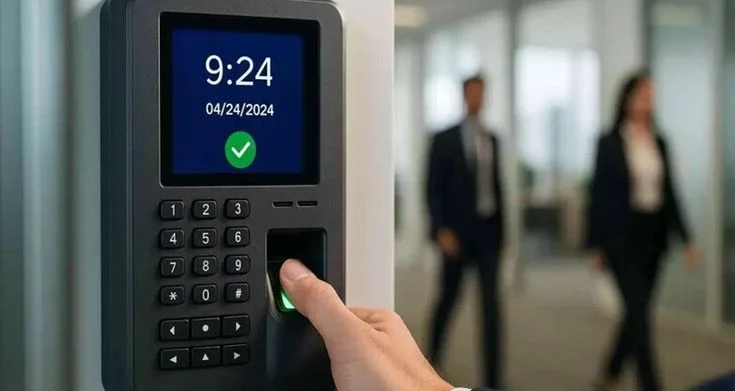
Fingerprint, facial recognition, card/fob or keypad readers. Wired or PoE.
One, two or four-door controllers. Local decision-making so access works even without internet.
RTE buttons, PIR sensors, push bars and break-glass units on the inside of every controlled door.
Every door's fail mode is decided during the site survey, not assumed.
Every door assessed for frame type, closing direction, escape function and cabling route.
Lock type, reader, exit device and fail mode proposed per door.
Door prepared, lock and reader fitted, controller wired, all tested.
Door map and operation log handed over. Users enrolled on the software.
An electric strike replaces part of the existing door frame strike plate and releases the latch when unlocked — good for wooden and light metal doors, and it keeps the door looking unchanged. A maglock holds the door shut with an electromagnet and releases when power is cut — stronger, used on heavy doors and where fail-safe operation is required.
Doors on escape routes must fail-safe (release on power loss). Doors protecting assets — server rooms, cash offices, exam stores — often fail-secure, meaning they stay locked if power is lost. The right choice is discussed per door during the site survey.
Yes. Most access control installations retrofit to existing doors. We fit the lock, reader and exit hardware onto the existing door leaf and frame — only drilling where necessary.
RTE stands for Request to Exit. It is a button, PIR sensor or push bar on the inside of a controlled door that lets someone exit without needing to use their credential. Required on most doors for safety and convenience.
Cost per door depends on the lock type, reader type and whether the door already has the necessary wiring and power. Qyvea quotes per door so the client sees what each door costs.
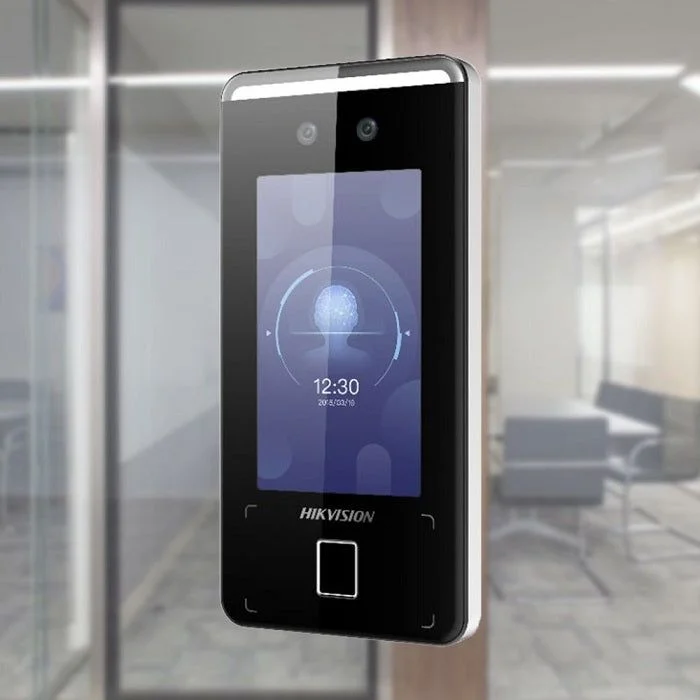
A face recognition terminal, with a fingerprint sensor as a second option, mounted beside an office door. Authorised staff are recognised and the door releases.
We assess each door and quote hardware per door — no bundled pricing that hides what you are buying.