Quick answer
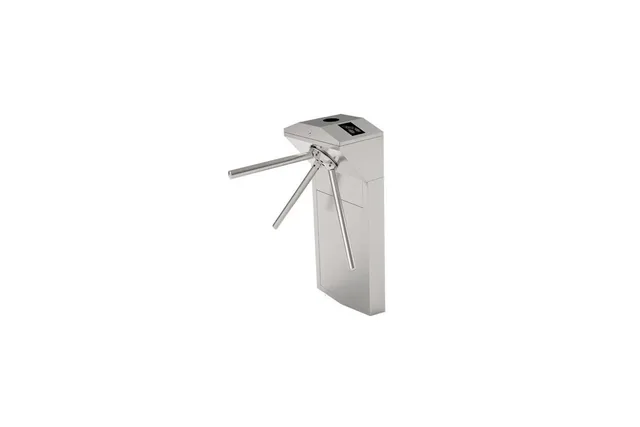
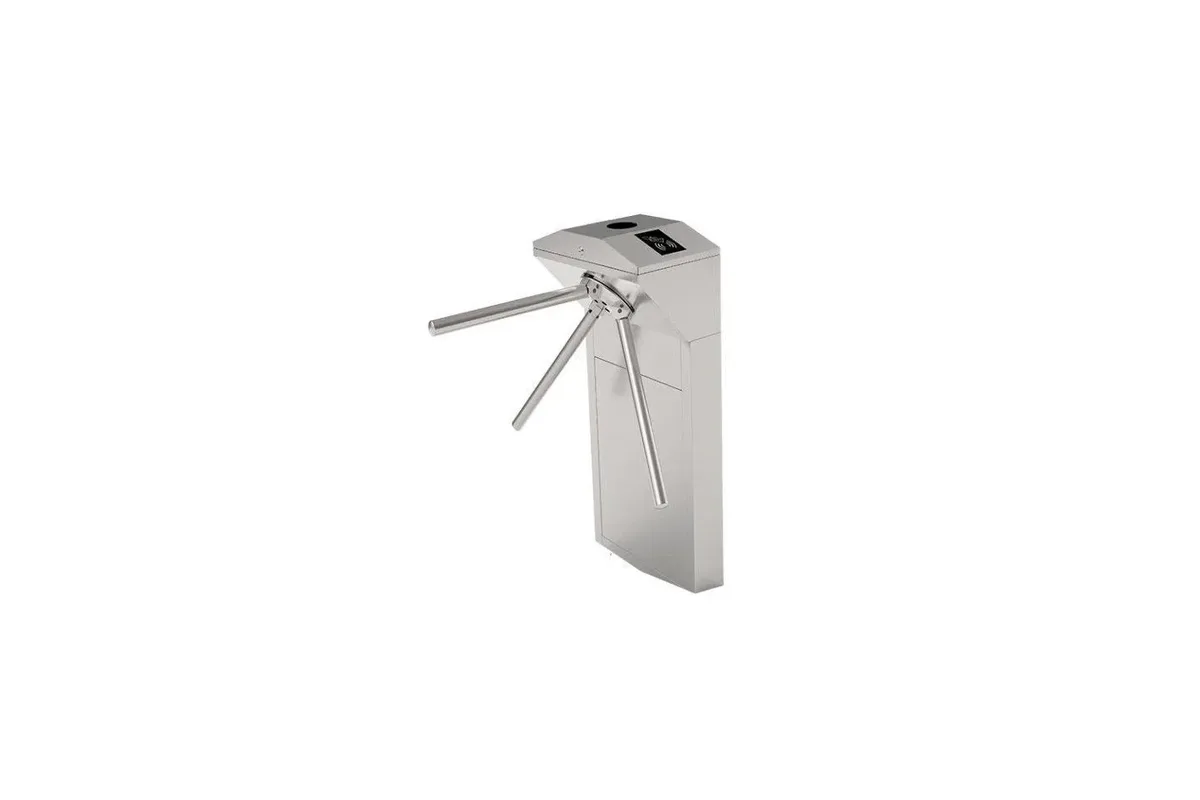
Installing turnstiles means a level, solid floor, power and data cable to each lane, the readers or face terminals, and a link to the fire alarm so lanes open in an emergency. The work is planned at a site survey, the cabling is laid, the units are anchored and aligned, then readers and software are set up and tested.
Real products, live prices, in stock now
See the actual productsLive prices from the Qyvea store
Shop all reader products →Key takeaways
- A level concrete base is essential.
- Run power and data through conduits to each cabinet.
- Link to the fire alarm for free exit in emergencies.
- Readers and software are set up and staff enrolled.
- Plan an accessible lane.
01Installation steps
- 01Site surveyMeasure the entrance, check the floor and plan lanes and cable routes.
- 02Civil and cablingConduits for power and data to each cabinet; level the base.
- 03Mount and alignAnchor the cabinets and align the arms or flaps.
- 04Readers and controlFit card, fingerprint or face readers and connect the controller.
- 05Fire alarm and UPSFail-safe free passage on alarm or power loss; UPS for short outages.
- 06Commission and trainEnrol users, test every lane and train guards.
02What we need from you
- Access to the entrance and a power point nearby
- Who should be allowed in, and at what times
- Whether entries should feed attendance or payroll
- Your fire alarm contact for the emergency link
When to call a professionalQyvea supplies and installs ZKTeco and Hikvision turnstiles. Call 0113 301 244 or WhatsApp us.
03Frequently asked questions
How long does turnstile installation take?
A few lanes typically take one to a few days, depending on civil and cabling work.
Do turnstiles need a concrete floor?
Yes, a solid, level base to anchor the cabinets.
Will turnstiles trap people in a fire?
No. They are linked to the fire alarm and set to free passage on alarm or power failure.