Fire Alarm · Comparison

Smoke vs Heat Detectors

Smoke detectors give earlier warning; heat detectors suit kitchens and dusty areas. Choosing the right one prevents false alarms and missed fires.

If a fire started tonight, would everyone wake up in time?

Read on: it takes a few minutes and could save you a lot more than that.

In this guide you will see:
  • Smoke = earlier warning, most rooms and corridors.
  • Heat = kitchens, garages, dusty or steamy areas.
  • The wrong detector type is a leading cause of false alarms.
By Qyvea LimitedPublished 2026-09-23Updated 2026-09-232 min read
On this page01. Comparison02. Heat detector types03. Avoiding false alarms04. FAQ
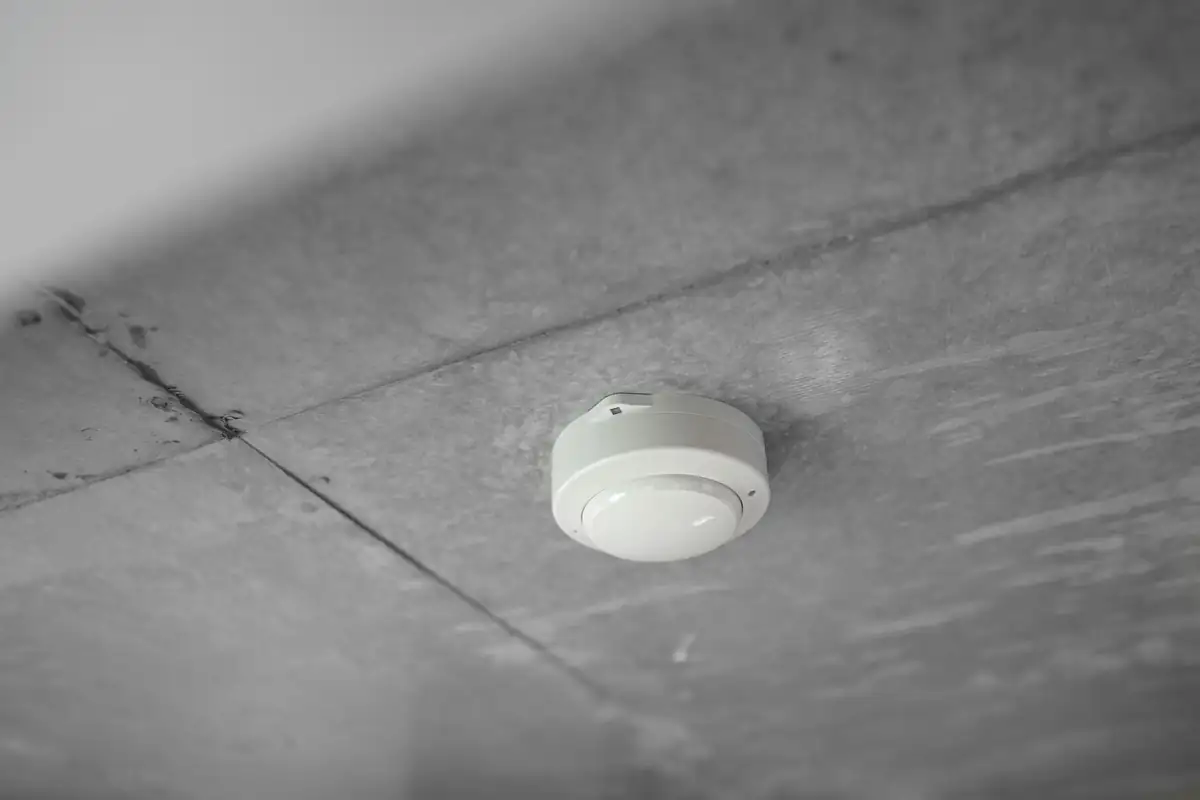
Smoke detector on a ceiling
Quick answer

Smoke detectors react to smoke particles and give earlier warning, which is why they're used in most rooms and escape routes. Heat detectors react to temperature (a fixed temperature, or a rapid rise) and are used where smoke, steam or dust would cause false alarms, such as kitchens, garages and workshops.

Real products, live prices, in stock now
See the actual productsLive prices from the Qyvea store
Shop all detector products →

Key takeaways

  • Smoke = earlier warning, most rooms and corridors.
  • Heat = kitchens, garages, dusty or steamy areas.
  • The wrong detector type is a leading cause of false alarms.
  • Multi-sensor detectors combine both in one head.

01Comparison

Smoke detector (optical)Heat detector
Reacts toSmoke particlesTemperature: fixed threshold or rapid rise
Warning speedEarlierLater (fire must produce heat)
Best placesOffices, bedrooms, corridors, stairsKitchens, garages, boiler rooms, workshops
False alarm risksSteam, dust, cooking fumes, insectsFew, when correctly placed

02Heat detector types

Fixed temperature

Alarms at a set temperature
Good where temperatures swing, e.g. kitchens

Rate-of-rise

Alarms on a fast temperature rise
Earlier than fixed temperature
Not for places with sudden heat, e.g. near ovens

03Avoiding false alarms

  • Heat detectors, not smoke, in kitchens
  • Keep smoke detectors away from bathrooms and steam
  • Protect detectors during building work (dust)
  • Clean and test detectors during servicing

More causes in fire alarm false alarms. Placement rules are in detector placement.

04Frequently asked questions

Can I use a smoke detector in a kitchen?

It's a common cause of false alarms. A heat detector is normally used in kitchens.

Which gives earlier warning?

Smoke detectors, because most fires produce smoke before significant heat.

What is a multi-sensor detector?

A detector that combines smoke and heat sensing to improve detection and reduce false alarms.
Why customers choose Qyvea

Genuine brandsManufacturer warranty on what we sell, so you are not gambling on the box.
One team, start to finishThe people who advise you also install and support it.
Fast answersWhatsApp replies usually within 30 minutes, and delivery within 24 hours in Nairobi.
Easy to buyPay by M-Pesa, bank transfer or card. Free delivery in Nairobi on orders over KES 5,000.
Risk taken off you7-day returns and exchanges on products, and a workmanship warranty on installations.
Customers say soRated 4.6/5 from 57 Google reviews.

Your next step takes one minute: send us a photo of the place on WhatsApp and we will tell you what it needs.

Related articles

Fire Alarm · Guide
Fire Alarm Detector Placement
Where detectors go, how much area each covers, and the placements that cause false alarms or slow detection.
2 min readREAD FULL ARTICLE →
Fire Alarm · Troubleshooting
Fire Alarm False Alarms
Why fire alarms trigger without a fire, from dust and steam to detector type and placement.
2 min readREAD FULL ARTICLE →
Fire Alarm · Technology Explained
Fire Alarm Systems Explained
Detectors, call points, panel, sounders and batteries: how a fire alarm system detects a fire and warns everyone in time.
2 min readREAD FULL ARTICLE →
← PreviousFire Alarm Testing & Maintenance

Not sure which system you need?

Request an assessment and we'll recommend what fits your site.

Chat with us — 30 min response