Quick answer
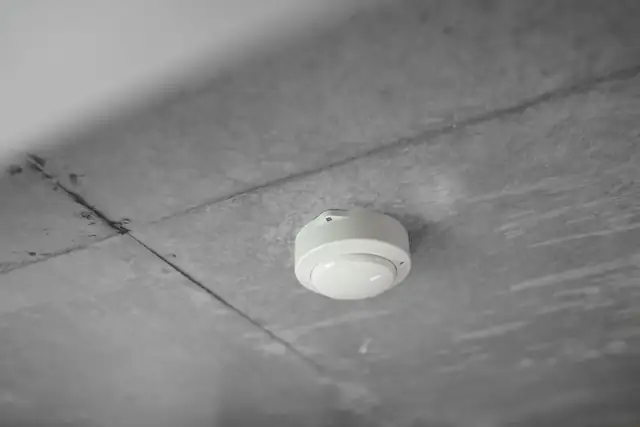
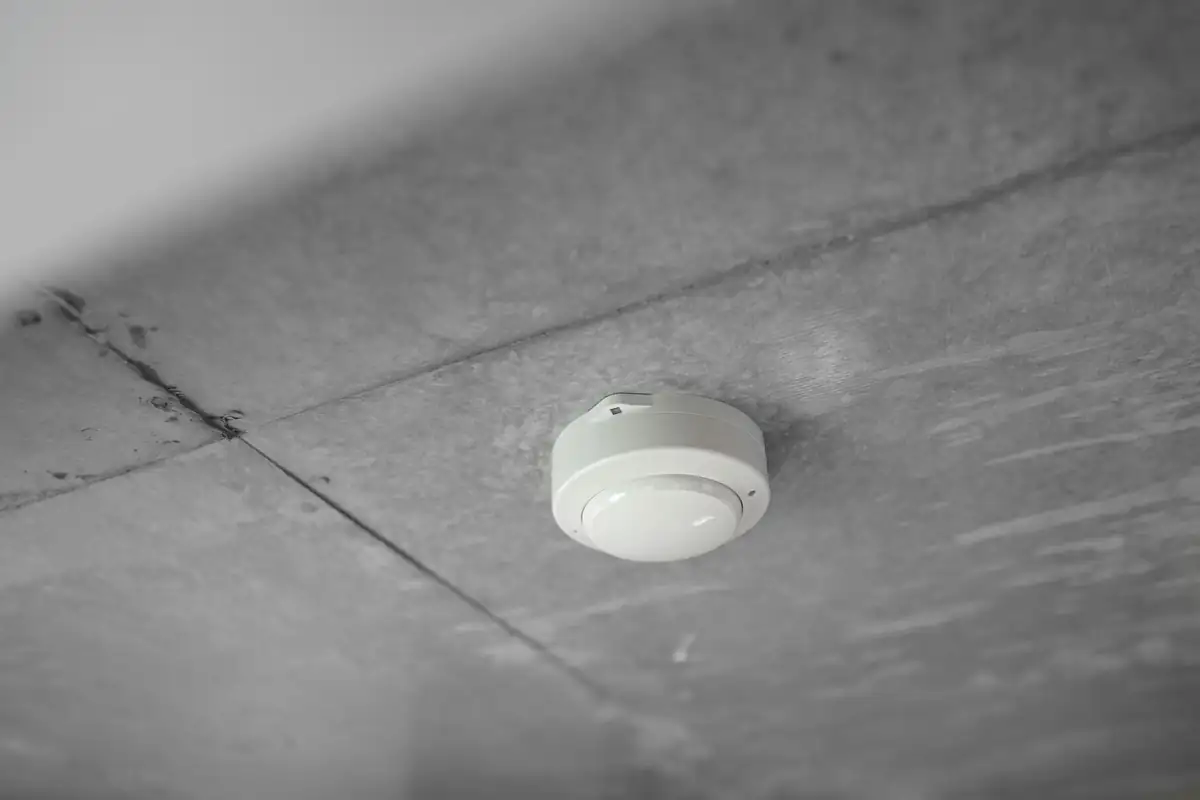
Detectors are placed on the ceiling so each covers a limited area. Under BS 5839-1 guidance for flat ceilings, commonly around a 7.5 m radius for point smoke detectors and 5.3 m for heat detectors, with extra care for corridors, stairways, beams and vents. Placement near air vents, kitchens and bathrooms is a common cause of false alarms or missed detection.
Real products, live prices, in stock now
See the actual productsLive prices from the Qyvea store
Shop all detector products →Key takeaways
- Detectors go on the ceiling, where smoke and heat collect.
- Each detector covers a limited radius, smaller for heat detectors.
- Stairs and escape routes need coverage.
- Keep away from vents, fans and steam.
- Placement should be designed, not guessed.
01Coverage
| Detector (flat ceiling) | Common coverage guidance |
|---|---|
| Point smoke detector | Radius of about 7.5 m |
| Point heat detector | Radius of about 5.3 m |
ImportantThese are general figures from BS 5839-1 for flat ceilings. Sloping ceilings, beams, high ceilings and corridors change the spacing; a designer should lay out the system.
02Where they go
- Every room on the escape route, and the escape route itself
- Stairwells and landings
- Corridors (spacing along the length)
- Ceiling voids and risers where required
- Heat detectors in kitchens, garages and plant rooms
03Where to avoid
- Right next to air-conditioning vents or ceiling fans
- Directly above cookers, kettles or showers (smoke types)
- In dead air pockets such as tight corners
- Where dust from work or storage settles
See smoke vs heat detectors and the planning guide.
04Frequently asked questions
How many smoke detectors do I need?
It depends on the room sizes, ceiling shapes and layout. A designer works it out from the floor plan.
Can detectors go on walls?
Point detectors are normally ceiling-mounted, where smoke and heat collect first.
Why does my detector go off when the AC runs?
Air movement can carry dust or affect detection. Detectors shouldn't sit right next to vents.