Quick answer
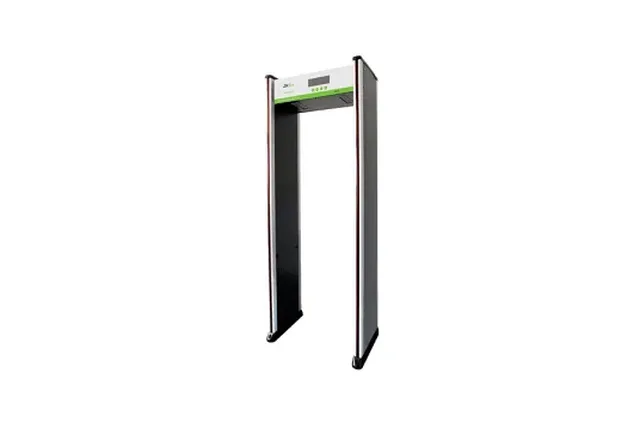
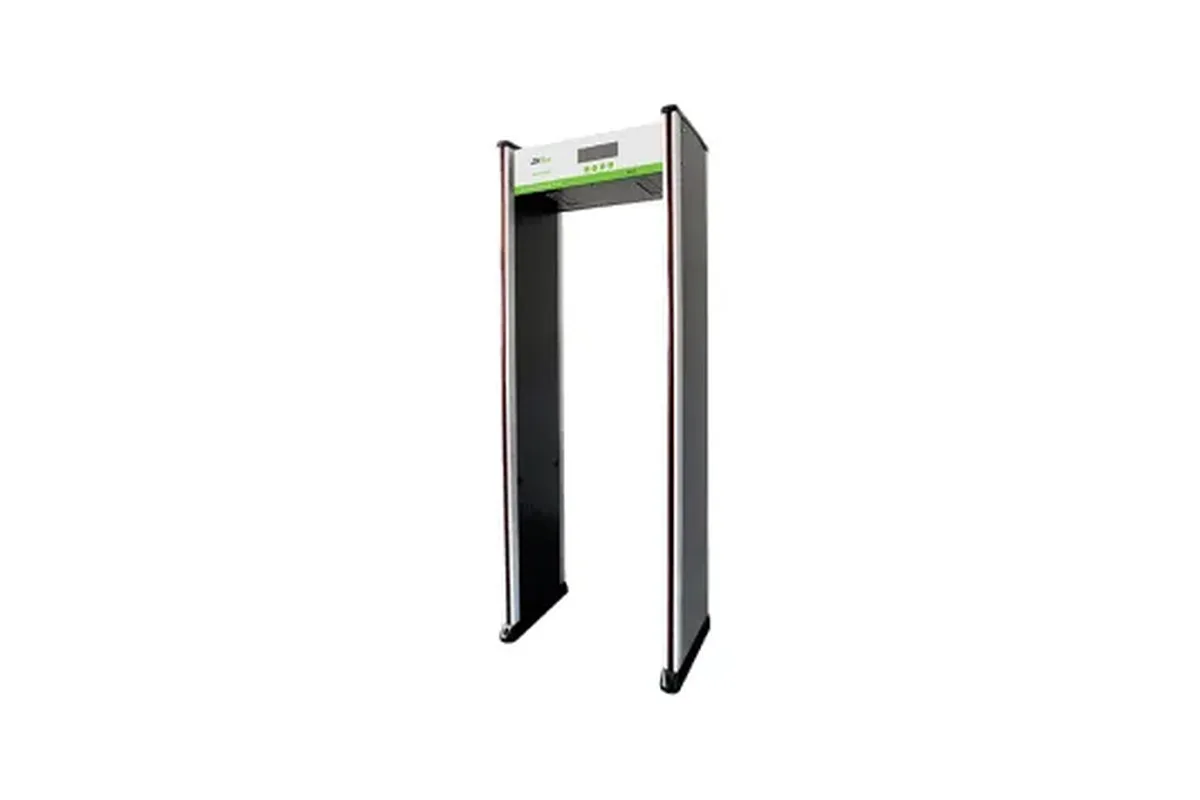
A walk-through metal detector sends pulses of magnetic field from coils in its side panels. Metal carried through the arch disturbs the field, and receiver coils measure the change. If the signal passes the sensitivity threshold, the detector alarms and lights up the zone, the height on the body, where the metal was found.
Real products, live prices, in stock now
See the actual productsLive prices from the Qyvea store
Shop all reader products →Key takeaways
- Coils in the panels create and sense a magnetic field.
- Metal disturbs the field and triggers an alarm.
- Zones show where on the body the metal is.
- Sensitivity decides what size of object alarms.
- Nearby metal and electrical noise cause false alarms.
01Inside the arch
Detection
Transmitter coilssend magnetic pulses
Metal objectdisturbs the field
Receiver coilsmeasure the change
Control unitcompares with sensitivity, sounds alarm, lights zone
02False alarms
- Large metal doors, frames or lifts close to the arch
- Escalators, motors and heavy electrical cables
- Two detectors placed too close together
- Sensitivity set too high for the site
See detector types and zones and installation.
03Frequently asked questions
Is a walk-through metal detector safe for pregnant women and pacemakers?
Walk-through detectors use low-strength fields; people with medical devices who prefer not to walk through can be checked with a hand-held detector instead.
Why didn't my keys set it off?
Sensitivity is often set to ignore small items so queues keep moving.
Walk-through metal detector guides by venue
Mashine ya kugundua chuma kwa kila mahali: makanisa, shule, maduka makubwa, hospitali na zaidi.
Walk-Through Metal Detector for ChurchesWalk-Through Metal Detector for MosquesWalk-Through or Hand-Held Detector?Walk-Through Metal Detector for SchoolsWalk-Through Metal Detector for UniversitiesWhy It Beeps: Fixing False AlarmsWalk-Through Metal Detector for Exam and Training CentresWalk-Through Metal Detector for Shopping MallsWhere to Put the Detector at Your EntranceWalk-Through Metal Detector for SupermarketsWalk-Through Metal Detector for HospitalsHow Many Guests Per Minute? Planning the EntranceWalk-Through Metal Detector for CourtsWalk-Through Metal Detector for County Government OfficesTrain Your Screening Team in One MorningWalk-Through Metal Detector for BanksWalk-Through Metal Detector for SACCOs and Microfinance OfficesEvent Day Setup: From Delivery to First GuestWalk-Through Metal Detector for HotelsWalk-Through Metal Detector for Conference CentresPower Cuts at the Gate: Battery and BackupWalk-Through Metal Detector for Wedding and Event VenuesWalk-Through Metal Detector for Stadiums and Sports Grounds6, 18 or 33 Zones? Choose Without the JargonWalk-Through Metal Detector for Concerts and FestivalsWalk-Through Metal Detector for Nightclubs and BarsIndoor or Outdoor? Rain, Dust and the SunWalk-Through Metal Detector for CinemasWalk-Through Metal Detector for Embassies and NGO OfficesDetector, Camera and Bag Check: A Full EntranceWalk-Through Metal Detector for Corporate OfficesWalk-Through Metal Detector for FactoriesMake Screening Feel Welcome: Signs, Lanes, WordsWalk-Through Metal Detector for Warehouses and Logistics YardsWalk-Through Metal Detector for Data Centres and Server RoomsScreening With Dignity: Lanes and Private ChecksWalk-Through Metal Detector for Ports and Container DepotsWalk-Through Metal Detector for Bus Termini and StationsMonthly Checks That Keep It AccurateWalk-Through Metal Detector for Train StationsWalk-Through Metal Detector for Airstrips and Airline OfficesPacemakers, Pregnancy and Screening: What to KnowWalk-Through Metal Detector for Government MinistriesWalk-Through Metal Detector for Betting Shops and CasinosInstallation Day: The Hour-by-HourWalk-Through Metal Detector for Student HostelsWalk-Through Metal Detector for Gated Communities and EstatesEight Questions Before You Buy a Walk-Through DetectorWalk-Through Metal Detector for Jewellery and Gold DealersThe Visible Deterrent: Why Guests Notice the Arch