Quick answer
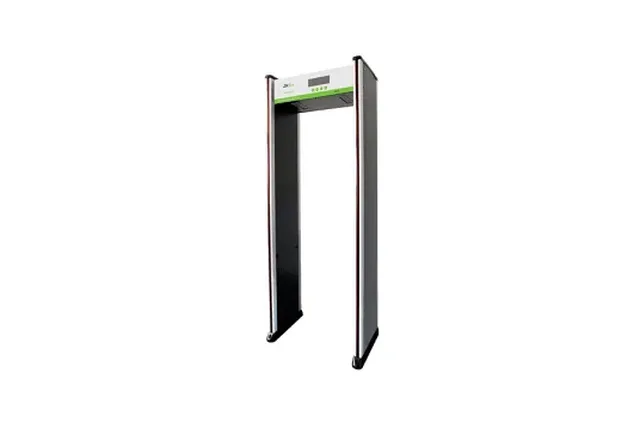
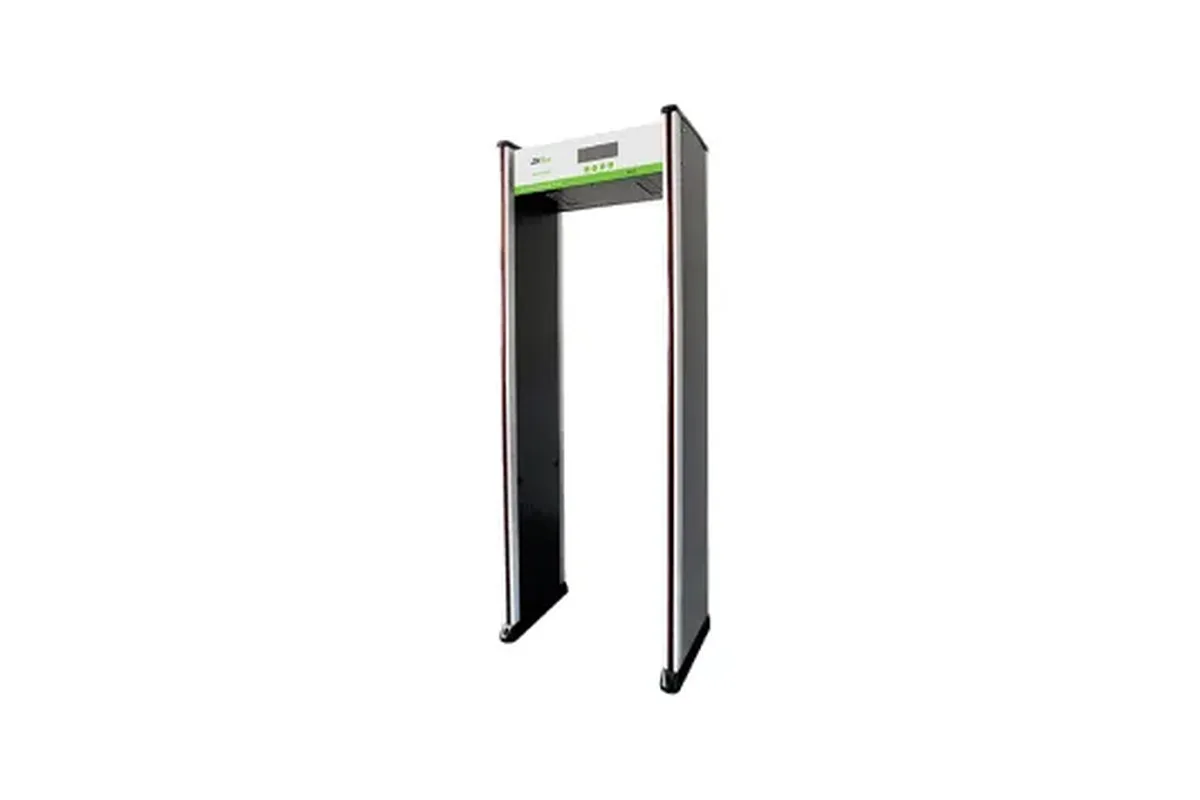
Walk-through detectors differ mainly in how precisely they locate metal (the number of zones) and in extra features: weather protection for outdoor use, people counting, and on some models body-temperature screening. More zones help guards find items faster, which speeds up busy entrances.
Real products, live prices, in stock now
See the actual productsLive prices from the Qyvea store
Shop all reader products →Key takeaways
- Single zone: alarms but doesn't say where.
- Multi-zone (for example 6, 18 or 33): lights show where on the body.
- Outdoor use needs a weather-rated model or shelter.
- People counting helps events and venues.
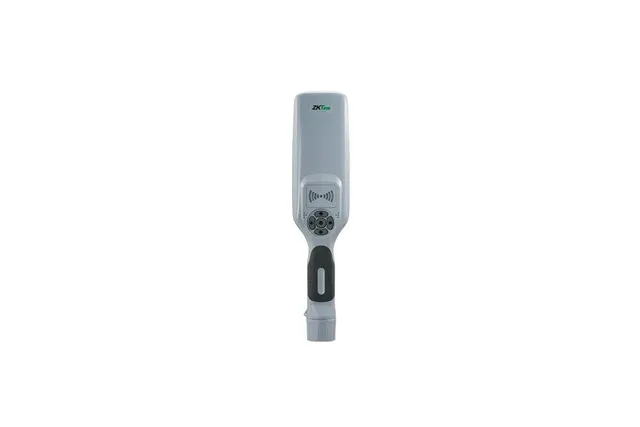
- Pair every arch with a hand-held detector.
01Zones
| Zones | What you get | Suits |
|---|---|---|
| Single | Alarm only | Low-traffic, budget sites |
| Around 6 | Head, body and leg areas | Schools, small offices |
| 18 | Finer height and side location | Churches, hotels, malls |
| 33 | Very precise location | High-traffic, high-security sites |
02Other features
- Adjustable sensitivity levels
- People and alarm counters
- Battery backup
- Weather resistance for covered outdoor use
- Temperature screening (some models)
Current models: walk-through metal detector prices.
03Frequently asked questions
How many zones do I need?
For most churches, schools and offices, a multi-zone detector is worth it; very busy sites benefit from the most zones.
Can a walk-through detector be used outside?
Only weather-rated models, ideally under a shelter.