Quick answer
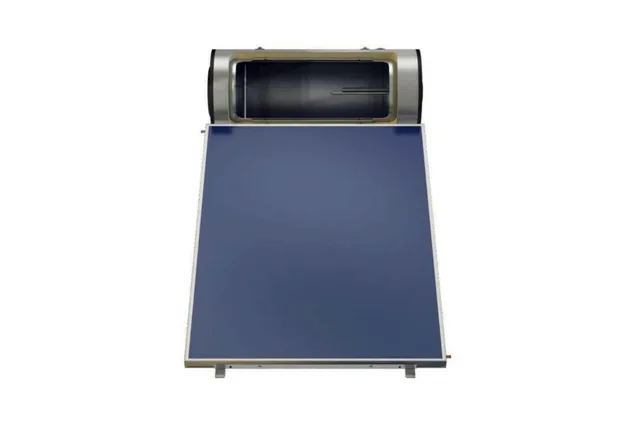
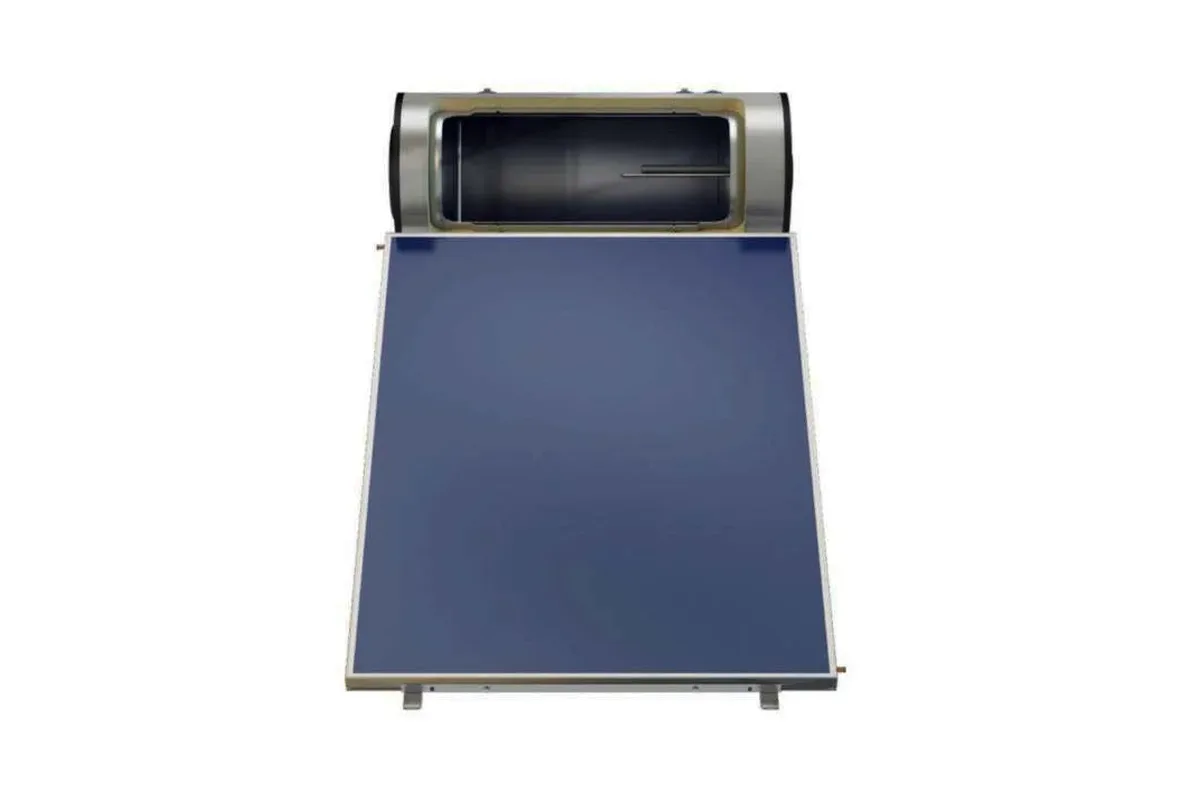
A solar water heater has a collector (flat plates or glass tubes) that absorbs sunlight and heats water or a heat-transfer fluid, and an insulated tank that stores the hot water. In most home systems, heated water rises naturally into the tank above the collector (thermosiphon), so no pump is needed. An electric backup element tops up the temperature on cloudy days.
Real products, live prices, in stock now
See the actual productsLive prices from the Qyvea store
Shop all inverter products →Key takeaways
- Collector absorbs sun; tank stores hot water.
- Thermosiphon: hot water rises into the tank without a pump.
- Pumped (split) systems put the tank indoors.
- Backup element covers cloudy days.
- Insulation keeps water hot overnight.
01The parts
Solar water heater
Sunlight
Collectorflat plate or evacuated tubes
Insulated storage tankwith backup element
Hot water to taps
02Thermosiphon vs pumped
Thermosiphon
Tank above collector on the roof
No pump
Simple, common for homes
Pumped (split)
Tank indoors or on the ground
Pump and controller
Larger buildings, neat roofs
See types of solar water heaters and prices.
03Frequently asked questions
Does a solar water heater need electricity?
Thermosiphon systems don't need power to heat water; the optional backup element and any pump do.
Will I have hot water in the morning?
Yes, if the tank is well insulated and sized for your use; the backup element can top it up.