Quick answer
Solar water heaters differ in three ways: the collector (flat plate panels or evacuated glass tubes), the pressure (non-pressurised gravity systems fed from a roof tank, or pressurised systems for mains or pump pressure) and the circulation (thermosiphon or pumped). Your water supply and plumbing usually decide pressurised vs gravity.
Real products, live prices, in stock now
See the actual productsLive prices from the Qyvea store
Shop all inverter products →Key takeaways
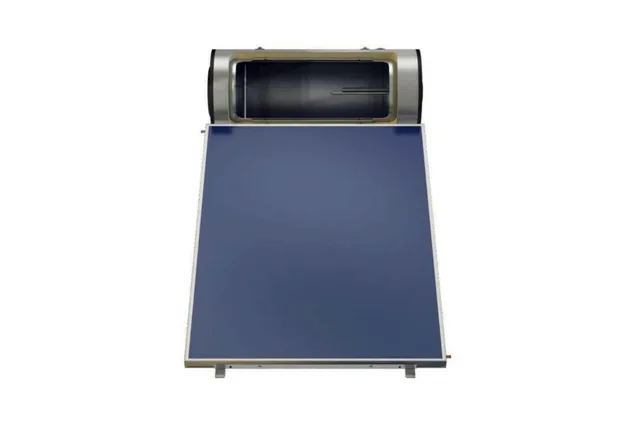
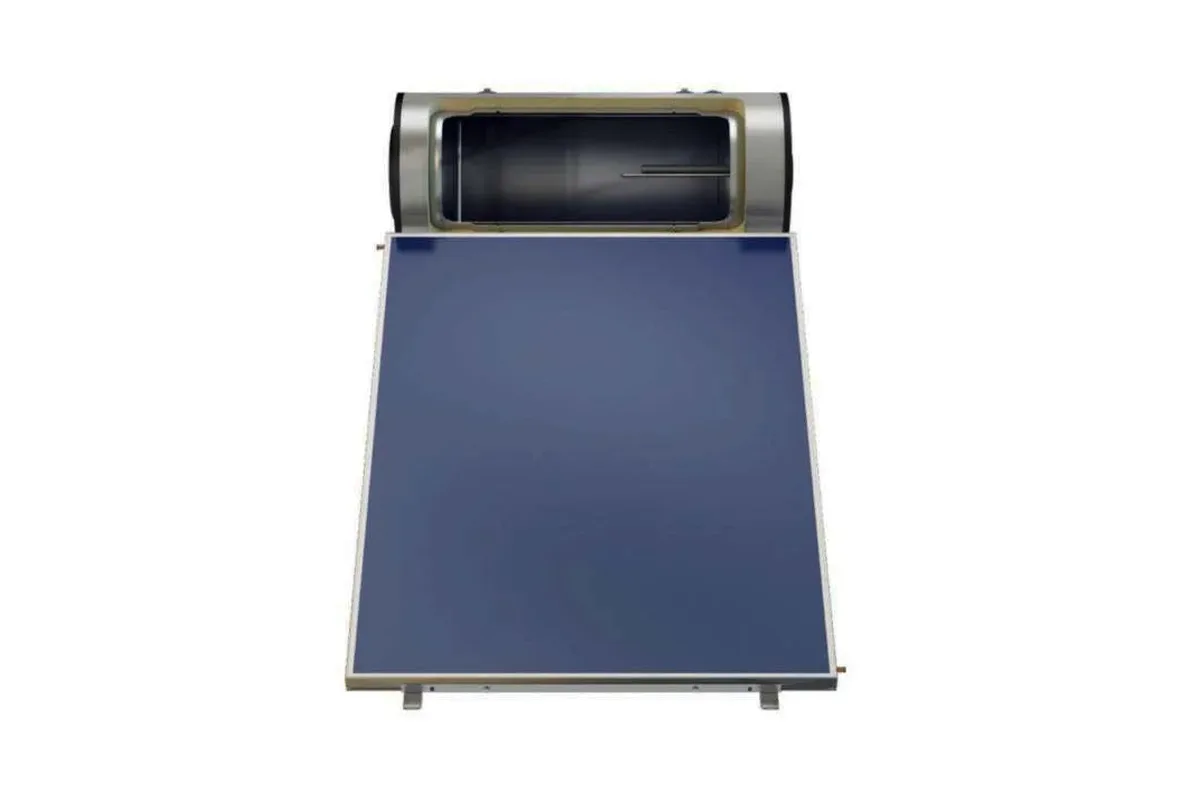
- Flat plate: robust, simple.
- Evacuated tube: efficient, good in cooler or cloudier conditions.
- Gravity (non-pressurised): roof tank homes, lower cost.
- Pressurised: stronger showers, needs suitable plumbing.
- Hard water may need scale protection.
01Collector types
| Flat plate | Evacuated tube | |
|---|---|---|
| How it works | Dark absorber plate under glass | Glass tubes with a vacuum for insulation |
| Strengths | Durable, simple | Low heat loss, efficient |
| Watch out for | More heat loss in cold weather | Tubes can break from impact or hail |
02Pressure
Non-pressurised (gravity)
Fed from a roof tank
Lower cost
Gentler shower pressure
Pressurised
Mains or pump pressure
Strong showers
Needs valves and suitable plumbing
Read evacuated tube solar water heaters and see prices.
03Frequently asked questions
Which is better, flat plate or evacuated tube?
Both work well in Kenya; evacuated tubes lose less heat, flat plates are tougher. Choose by budget, roof and water quality.
Can I use a pressurised system with a roof tank?
Usually with a booster pump; we check plumbing at the survey.