Quick answer
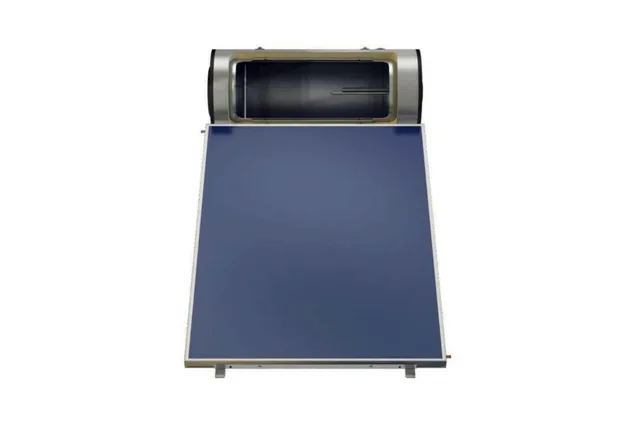
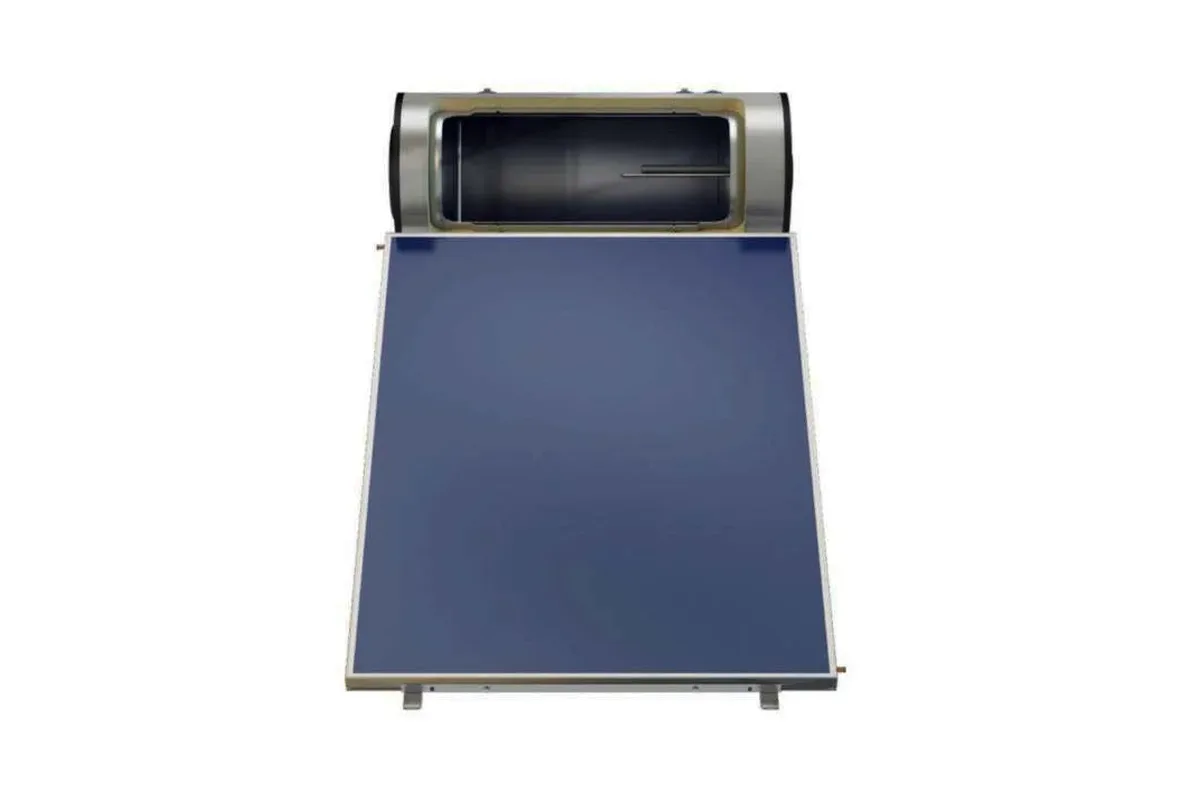
A solar water heater uses sunlight, so its running cost is very low when there's sun, with a backup element for cloudy spells. A heat pump uses electricity but much less than an electric geyser, and works day or night regardless of sun. In sunny Kenya, solar usually wins on running cost; heat pumps suit sites with little roof space or very high, round-the-clock demand.
Real products, live prices, in stock now
See the actual productsLive prices from the Qyvea store
Shop all inverter products →Key takeaways
- Solar: lowest running cost, depends on sun.
- Heat pump: uses some electricity, works any time.
- Both far cheaper to run than an electric geyser.
- Roof space and shading favour or rule out solar.
- Large hotels sometimes combine both.
01Compared
| Solar water heater | Heat pump | |
|---|---|---|
| Energy source | Sunlight (+ backup element) | Electricity (efficiently) |
| Running cost | Very low | Low |
| Works at night | From stored hot water | Yes |
| Needs | Sunny roof space | Outdoor unit space, power |
| Best for | Homes, schools, most sunny sites | Limited roof, constant demand |
See solar water heater prices and solar hot water for institutions.
02Frequently asked questions
Is a heat pump better than solar in Kenya?
For most sunny sites solar costs less to run; heat pumps suit sites without roof space or with constant demand.
Can I combine solar and a heat pump?
Yes, larger buildings sometimes use solar as the main source and a heat pump as backup.