Quick answer
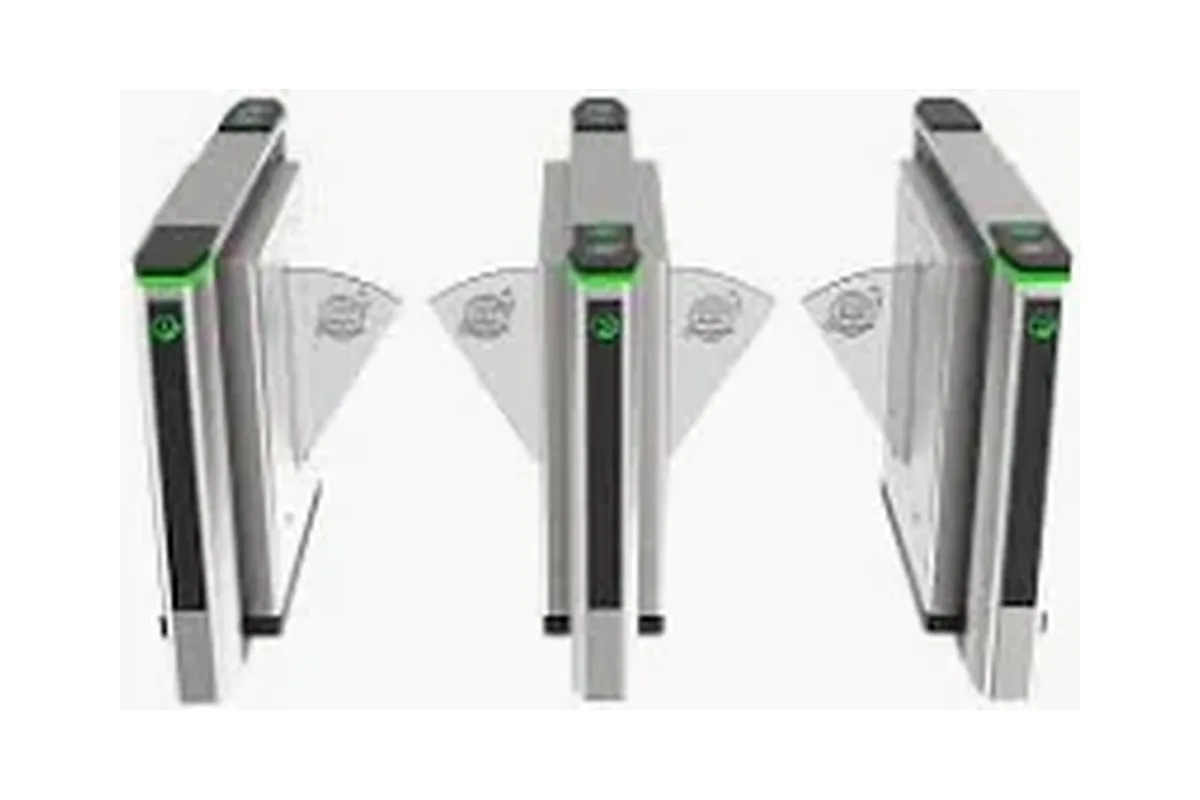
Flap barriers retract two small panels to let one person through quickly, so they suit busy lobbies. Swing barriers open a wider glass or acrylic gate, so they suit wheelchairs, prams, trolleys and deliveries but move people more slowly. Most entrances use flap lanes for everyday traffic plus one swing lane.
Real products, live prices, in stock now
See the actual productsLive prices from the Qyvea store
Shop all reader products →Key takeaways
- Flap: fastest throughput, standard-width lanes.
- Swing: wide lane for accessibility and goods.
- Both open by card, fingerprint, face or QR.
- Combine them: flaps for staff, a swing lane for everyone else.
01Side by side
| Flap barrier | Swing barrier | |
|---|---|---|
| Speed | Very fast | Moderate |
| Lane width | Standard (one person) | Wide (wheelchair, trolley) |
| Tailgating control | Good | Fair |
| Look | Modern, compact | Open, glass panels |
| Best for | Busy lobbies | Accessible and goods lanes |
02Choosing
Flap barrier if
High peak traffic
Office or bank lobby
Want tighter control
Swing barrier if
Wheelchair access required
Goods, luggage or prams
Lower traffic
See all turnstile types and turnstile prices.
03Frequently asked questions
Is a flap barrier more secure than a swing barrier?
Flap barriers generally control tailgating better because lanes are narrower and they close quickly.
Do I need a swing barrier?
Most public and office entrances should have one accessible lane, which is usually a swing barrier.