CCTV for Factories in Kenya
Industrial CCTV for Kenyan factories and manufacturing plants — production floors, machinery lines, gates, staff entries, warehouses and perimeter, with cameras specified for dust, heat and vibration.
Security
CCTV InstallationAccess ControlBiometrics & AttendanceElectric FencingAutomatic GatesFire Alarm SystemsSecurity Guards & K9Power & Electrical
Solar InstallationSolar & Power BackupElectrical InstallationSmart Home AutomationBuilding Management (BMS)IT & Networking
Networking & Wi-FiIT SupportCyber SecuritySystem IntegrationIntercom SystemsPA SystemsPOS SystemsQueue ManagementIndustrial CCTV for Kenyan factories and manufacturing plants — production floors, machinery lines, gates, staff entries, warehouses and perimeter, with cameras specified for dust, heat and vibration.
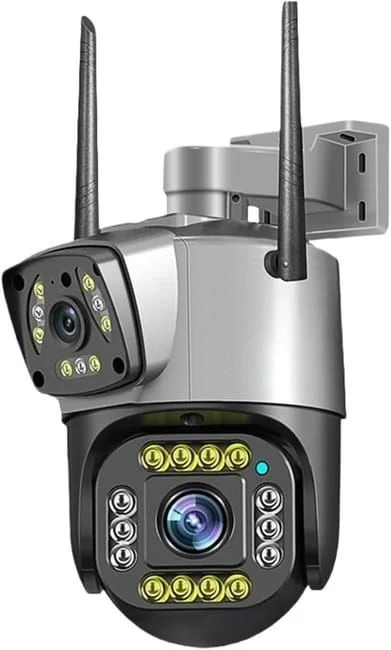
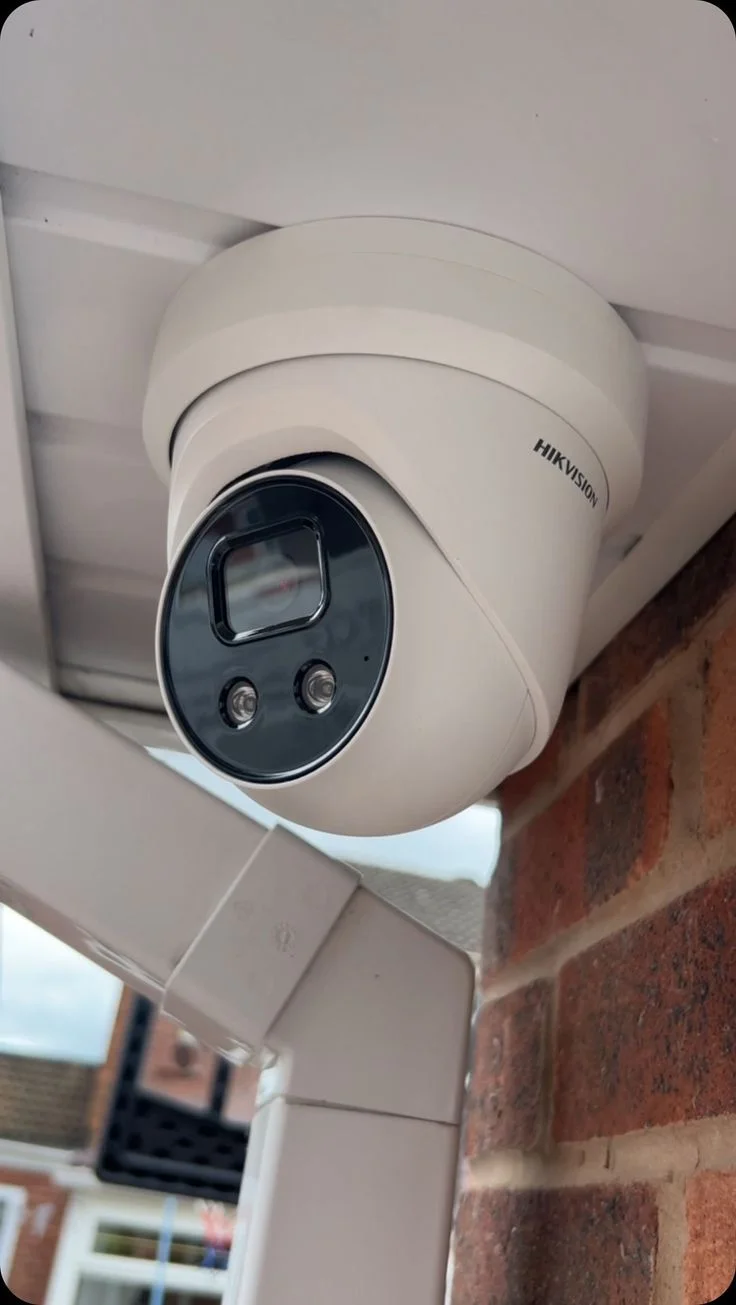
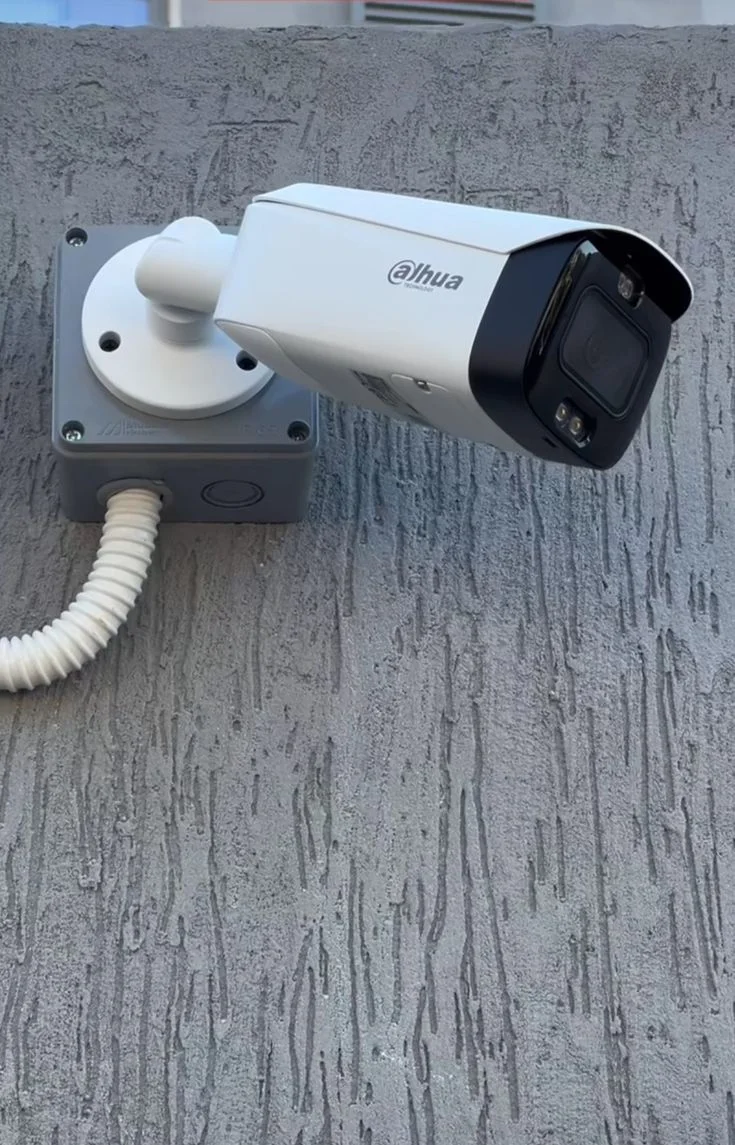
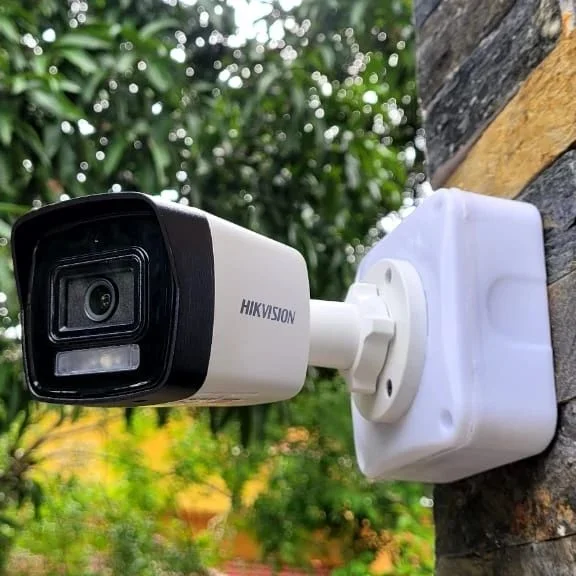
Qyvea Limited installs industrial CCTV in factories across Kenya, including food processing, plastics, packaging, textiles, metal fabrication and assembly plants. Factory CCTV has different requirements from office CCTV — cameras must be rated for the environment, the NVR must sit in a protected area, cabling must be protected from machinery and forklift traffic, and the system must be integrated with gate access and staff attendance so the footage is actually useful when an incident happens.
Coverage of production lines, workstations and critical machinery. Dome or PTZ cameras positioned to see the full line.
Vehicle and pedestrian gates, with number-plate capture for trucks and lorries.
Staff gates and changing areas, tied in with biometric attendance so shift changes are recorded.
Raw material stores, finished goods, high-value items — coverage of aisles and dispatch.
Boundary walls, loading yards and parking. IR or thermal cameras for night coverage.
Access and safety monitoring of plant rooms, generators and compressors.
Full walk-through including production, stores, gates and perimeter. Environment hazards noted.
Camera type per zone, containment, NVR location, storage and integration requirements itemised.
Scheduled around production shifts. Cable routes protected from machinery traffic.
Security and production supervisors trained on live view, playback and export.
Factories need cameras rated for dust, heat and vibration, positioned to cover the production floor, machinery lines, gates, staff entries and warehouse areas. A mix of dome cameras for general coverage and long-range bullet cameras for production aisles works well.
Yes. Cameras above production lines can record throughput, downtime and incidents. The system can also be integrated with production or attendance systems so a supervisor can match an incident to a shift.
Cameras are specified to an appropriate IP rating for the environment. In foundries, mills and other high-heat areas we use industrial housings. In normal production halls, IP67 cameras are usually sufficient.
Yes. Qyvea installs factory CCTV alongside biometric access control, time attendance terminals and gate automation so security can see who entered, when, and by which gate or door.
Cost depends on the number of cameras, industrial housings, cable distances and whether the factory needs multi-building coverage. Qyvea provides a free site survey and itemised quote.
Free site walk-through including production, stores, gates and perimeter. Itemised quote.
Warehouse and logistics CCTV.
Staff door access for factory areas.
Shift, overtime and payroll tracking.
Off-grid coverage for perimeter and yard areas.
Combine CCTV with access control and alarms into one system.