Solar Power for Homes in Kenya
Home solar installation in Kenya — solar panels, inverters and battery backup for houses, townhouses, apartments and villas. Cut KPLC bills, ride out outages, and keep CCTV, gates and alarms running during blackouts.

Security
CCTV InstallationAccess ControlBiometrics & AttendanceElectric FencingAutomatic GatesFire Alarm SystemsSecurity Guards & K9Power & Electrical
Solar InstallationSolar & Power BackupElectrical InstallationSmart Home AutomationBuilding Management (BMS)IT & Networking
Networking & Wi-FiIT SupportCyber SecuritySystem IntegrationIntercom SystemsPA SystemsPOS SystemsQueue ManagementHome solar installation in Kenya — solar panels, inverters and battery backup for houses, townhouses, apartments and villas. Cut KPLC bills, ride out outages, and keep CCTV, gates and alarms running during blackouts.
Qyvea Limited installs home solar systems across Kenya — for standalone homes, townhouses, apartments, villas and gated estates. We design grid-tied, off-grid and hybrid systems around how each home actually uses power: which appliances matter most during outages, where the security system draws from, how much roof or ground space is available, and how the household wants to balance bill reduction against backup reliability.
Lights, fridge, TV, Wi-Fi, phone charging — the loads that matter most during outages.
Dedicated solar backup for CCTV, electric fence, gates, alarms and access control.
Solar-powered borehole and booster pumps for homes on tank or borehole supply.
Cookers, water heaters, air conditioning — sized properly so they don't drain the battery bank.
Solar for gate motors, guard houses, garden lighting and perimeter cameras.
Large arrays and battery banks that run the entire house, day and night, on solar.
We review your bill, appliances, roof and any existing security systems.
Itemised quote with sizing rationale — essentials vs whole-home, battery and solar.
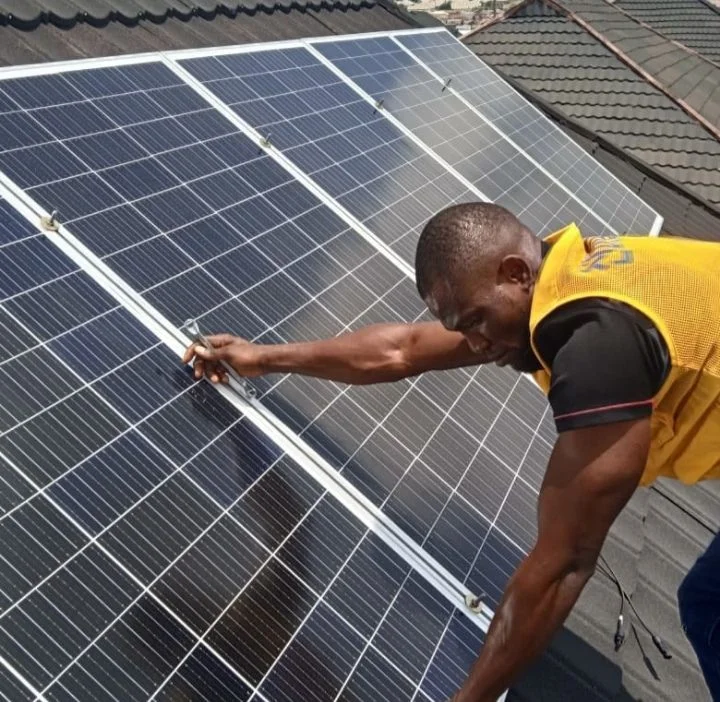
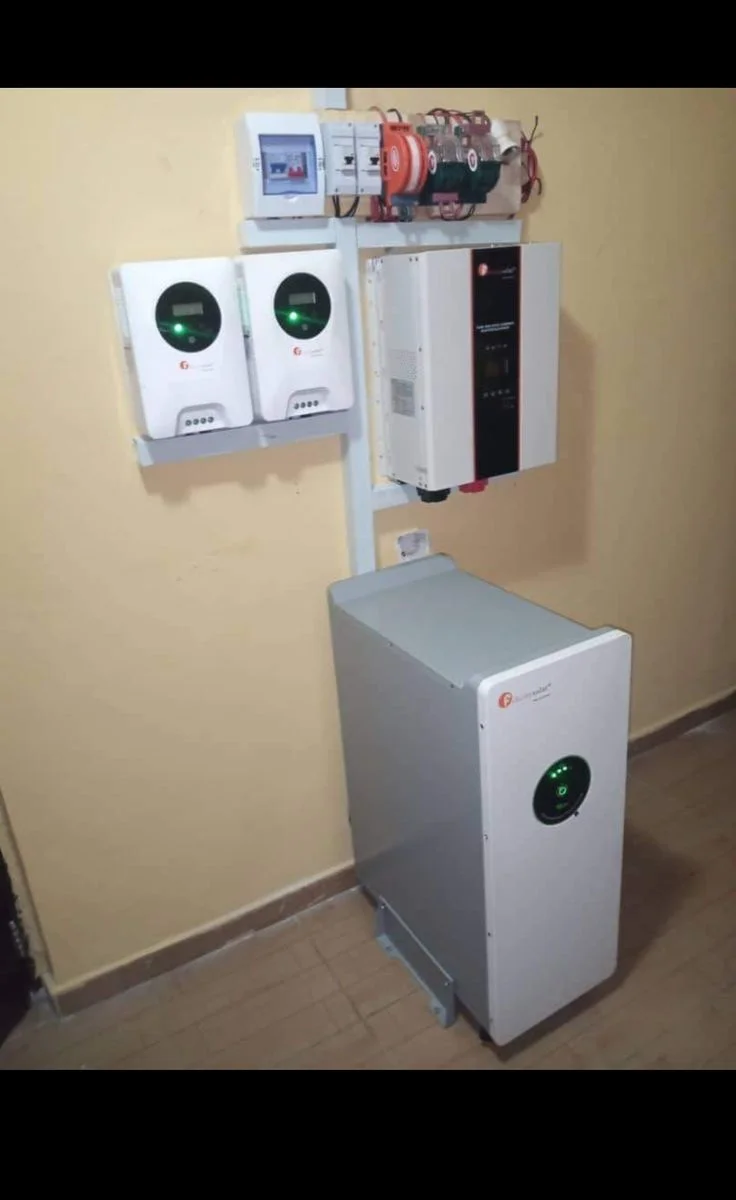
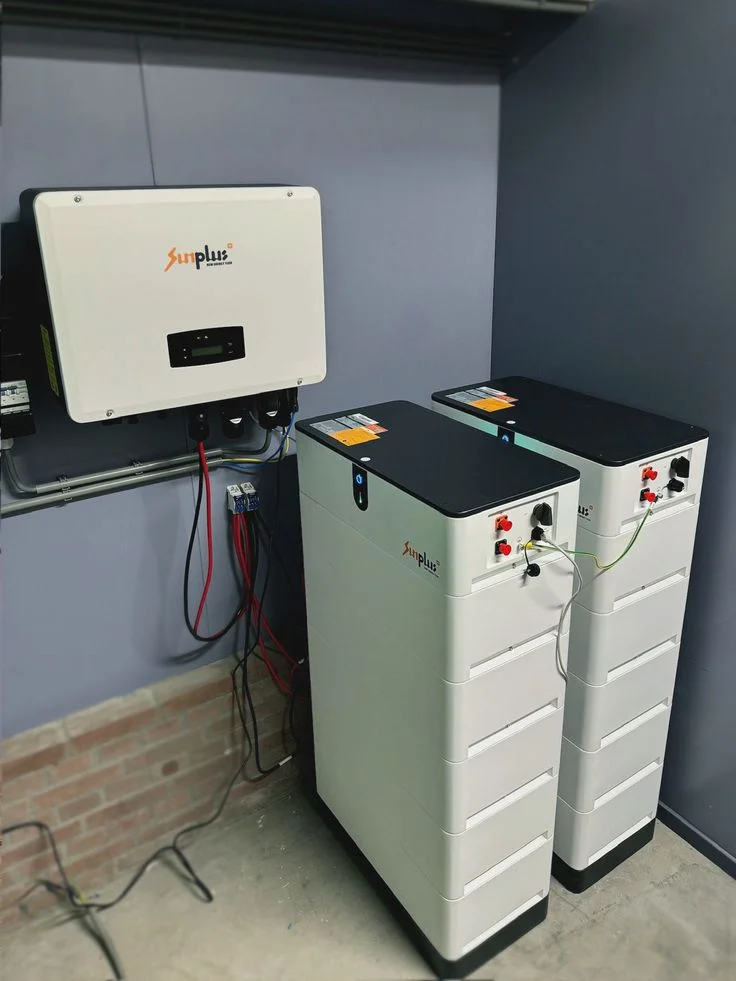
Panels, inverter, battery and changeover — clean work, minimal disruption.
Testing, monitoring app setup and operator training for the family.
A typical home solar system with battery backup depends on how much of the house you want to run, battery capacity, panel count and roof structure. Small essential-load systems that cover lights, fridge, TV, Wi-Fi and security cost less; whole-home systems cost more. Qyvea provides a free energy audit and itemised quote before any work begins.
Yes, but the system has to be sized for it. Whole-home solar requires an energy audit to match panels, inverter and battery bank against real consumption — including heavy loads like electric cookers, water heaters and air conditioning. Qyvea designs around actual usage, not assumptions.
Yes, when designed for it. Qyvea integrates home solar with CCTV, electric fence, automatic gates, alarms and access control so they stay powered during KPLC outages — not just lights and sockets. This is one of the most common reasons Kenyan homeowners go solar.
For grid-tied systems without backup, no. For homes that want power during outages — which is most Kenyan homes — yes, a battery is essential. Qyvea designs hybrid systems that use solar during the day, charge the battery, and fall back to the grid at night or during long cloudy spells.
A small residential system typically installs in one to two days. Larger homes with battery banks and security system integration usually take two days to a week depending on size and whether the existing electrical installation needs upgrading. Qyvea gives a specific timeline in the quote.
Covering a remote corner of your property? Learn more about solar CCTV camera options.
Free site visit, system sizing and itemised quote. Designed around your home, your bill and your backup needs.