Solar Backup Systems in Kenya
Solar backup systems for homes, businesses and security installations across Kenya — battery backup, hybrid inverters and changeover panels that keep essential loads running through KPLC outages and long cloudy spells.

Security
CCTV InstallationAccess ControlBiometrics & AttendanceElectric FencingAutomatic GatesFire Alarm SystemsSecurity Guards & K9Power & Electrical
Solar InstallationSolar & Power BackupElectrical InstallationSmart Home AutomationBuilding Management (BMS)IT & Networking
Networking & Wi-FiIT SupportCyber SecuritySystem IntegrationIntercom SystemsPA SystemsPOS SystemsQueue ManagementSolar backup systems for homes, businesses and security installations across Kenya — battery backup, hybrid inverters and changeover panels that keep essential loads running through KPLC outages and long cloudy spells.
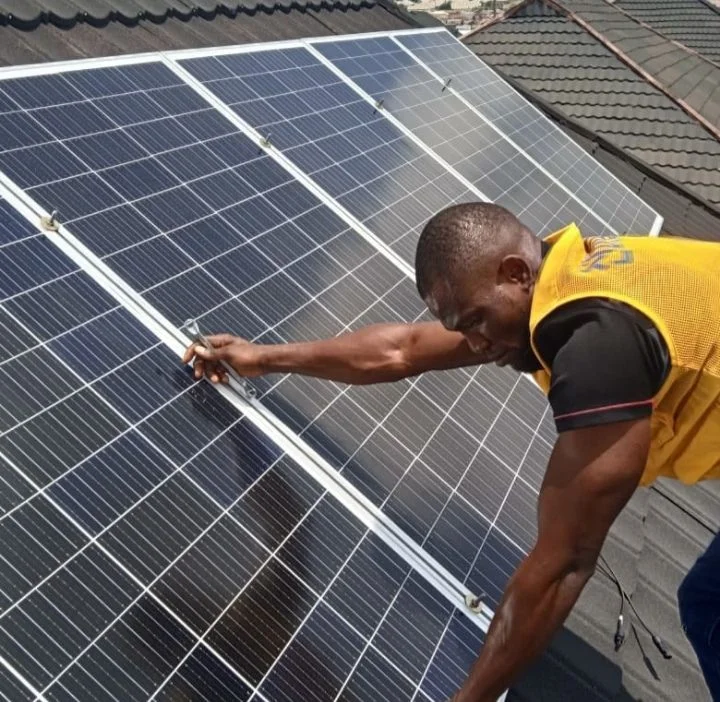
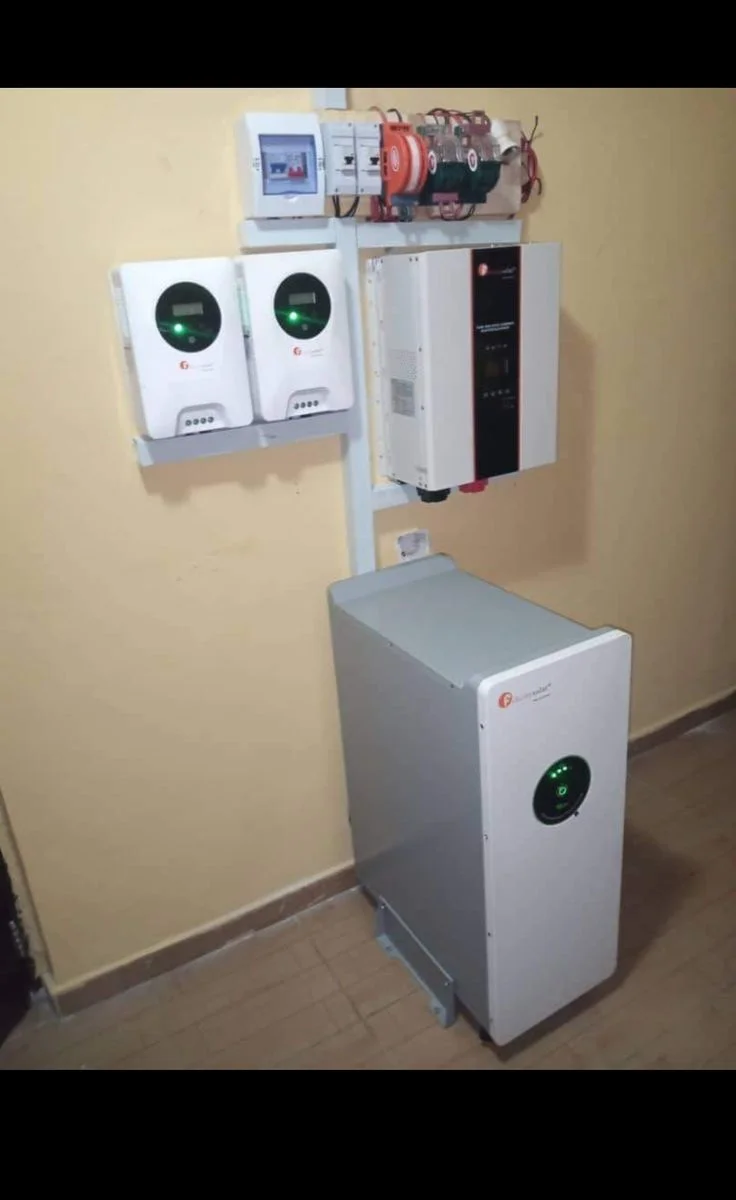
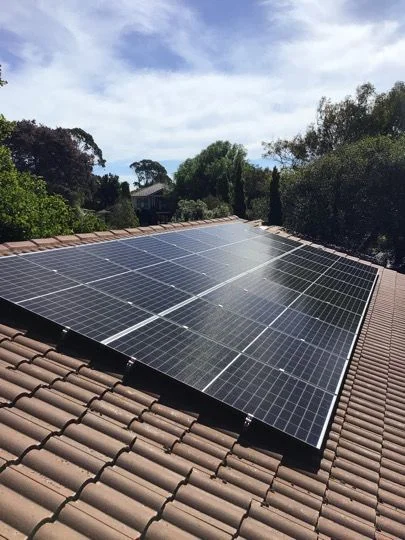
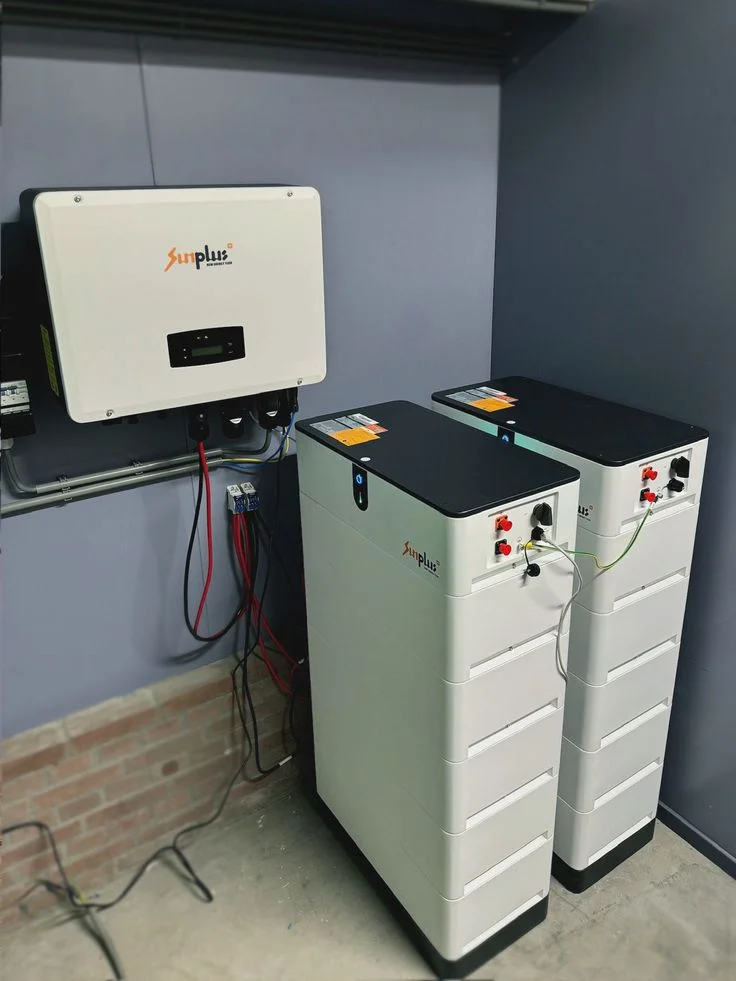
A solar backup system combines solar panels, an inverter and a battery bank to keep your essential loads running when the grid fails. The panels charge the battery during the day, the battery powers your loads at night or during outages, and the grid takes over automatically when available. Qyvea designs these systems around what you actually need to keep running — essential circuits, security systems, or your whole property.
Kenya's grid is unreliable in many parts of the country, and even in Nairobi and other major cities, outages disrupt homes and businesses without warning. A solar backup system removes that risk quietly, without fuel, without noise, and with a positive return over time.
Lights, fridge, Wi-Fi, TV, phone charging and water pump — the loads that matter most.
Backup for CCTV, electric fence, gates, alarms and access control during outages.
Computers, networking, servers, lights and air conditioning in critical rooms.
Tills, POS, fridges, lights and display systems — so trade keeps moving during outages.
Vaccine fridges, medical equipment and diagnostic systems that can't lose power.
Larger arrays and battery banks that run the entire property on solar and battery.
We identify what you want running, for how long, and at what time of day.
Inverter, battery, panels and changeover sized around your real load profile.
Certified installation, correct DC/AC protection, clean changeover wiring.
Load bank testing, failover verification and family or staff training.
A solar backup system combines solar panels, an inverter and a battery bank to keep essential loads running when the grid fails. The panels charge the battery during the day, the battery powers your loads at night or during outages, and the grid takes over when available. Qyvea designs systems sized to your specific backup needs — essential loads or whole property.
Battery capacity depends on what you want to keep running and for how long. A home that wants lights, Wi-Fi, fridge and security to last through a night needs less than one that wants to run air conditioning, water heating or an electric cooker. Qyvea sizes the battery against your actual load profile, not a generic package.
Yes. Qyvea designs solar backup specifically for security loads — CCTV, electric fence, gates, alarms and access control — so they stay powered through KPLC outages. This is one of the most common reasons Kenyan homes and businesses invest in solar backup.
Solar backup runs silently, needs no fuel, and requires almost no maintenance beyond regular servicing. Generators need fuel, produce emissions and noise, and require ongoing mechanical upkeep. Solar backup also pays back over time by offsetting grid consumption, whereas generators only cost.
Battery lifespan depends on chemistry, depth of discharge and how the system is cycled. Lithium batteries typically last longer than lead-acid, with proper system design and use. Qyvea designs systems around battery lifespan — correct sizing, proper depth of discharge, and clean installation — so the battery delivers its full service life.
For a camera that needs to run entirely off-grid rather than just on backup power, see our page on solar CCTV cameras.
Free site visit, load review and itemised quote. Battery, inverter and changeover sized to your real needs.