Home › Solar light guides › Comparisons and myths
Lithium vs Lead-Acid Batteries in Solar Lights: What to Know
The battery is the heart of a solar light. Two types are common, and the difference matters for how long it lasts.
Lead-acid
Cheaper and heavy. Often found in older or budget systems. Shorter life and needs more care.
Lithium
Lighter and usually longer lasting, with better performance in daily cycling. Costs more, which is part of why better lights cost more.
Ready to light up your place?
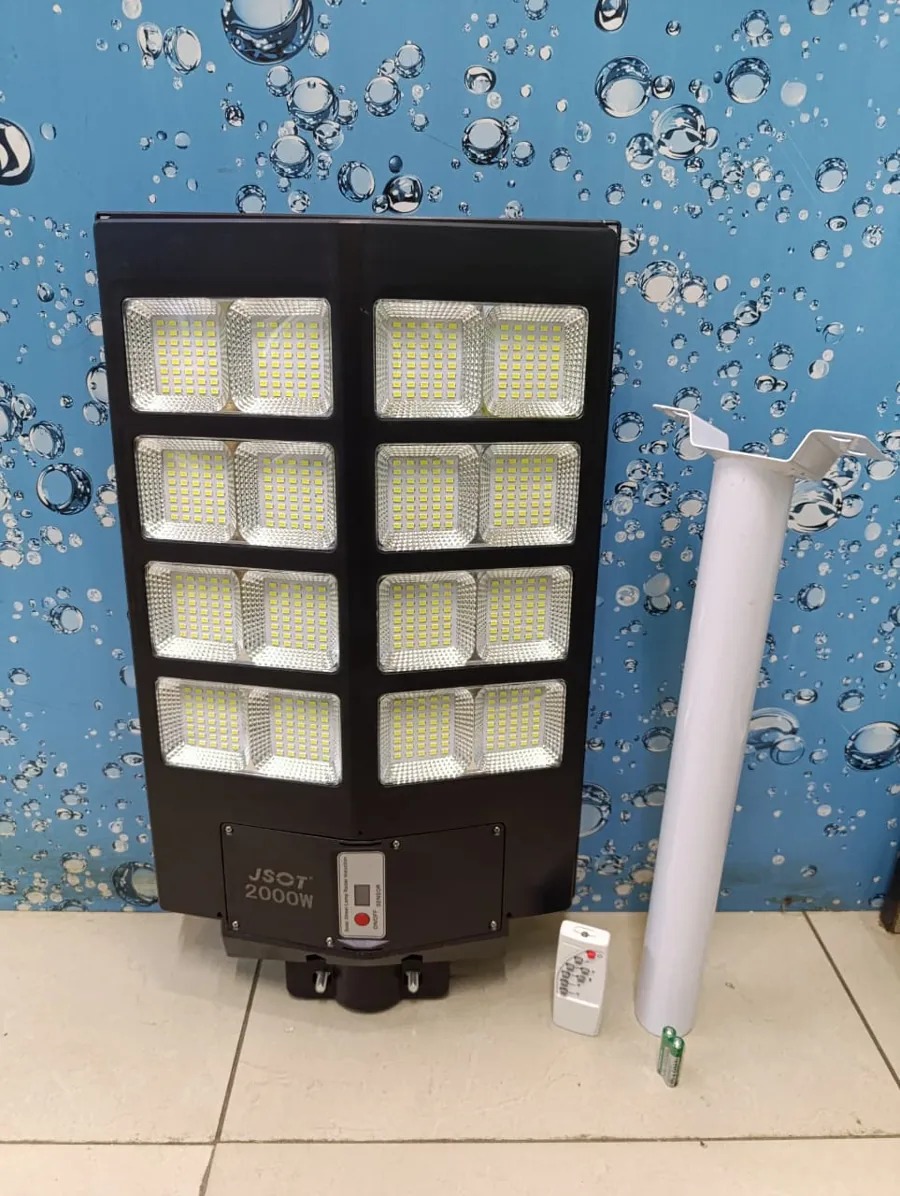
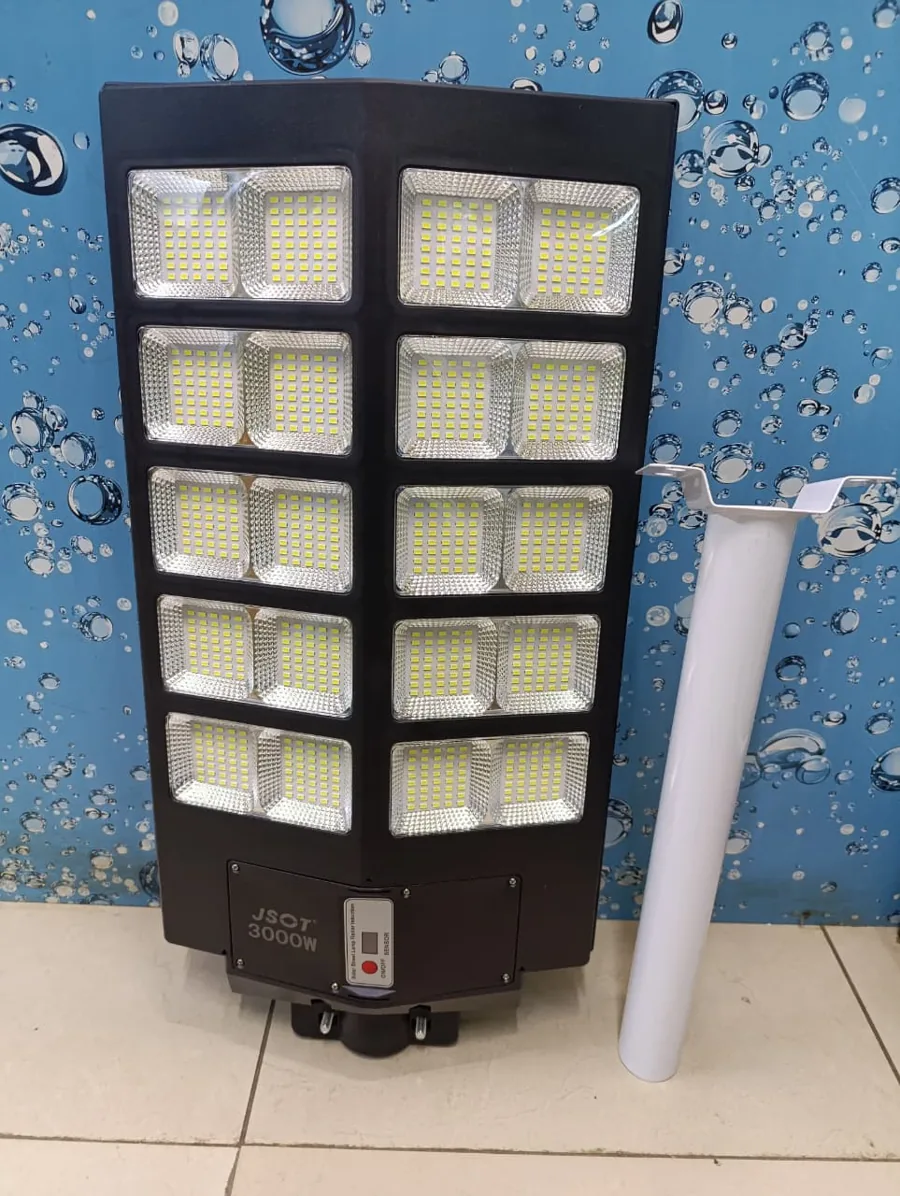
Motion-sensor solar lights with the pole included. No wiring, no power bill. Pick your size:
Ask us on WhatsApp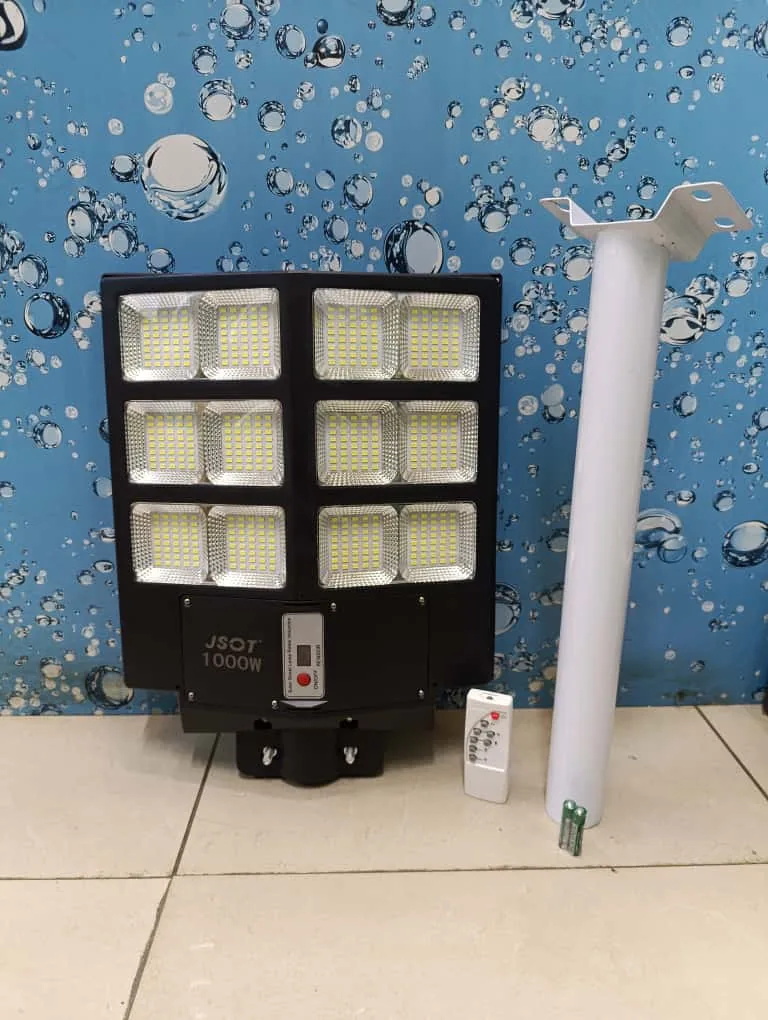
What to ask
Ask the seller what battery the light uses, its capacity and what replacement costs.
Why it matters
A better battery means more nights of full runtime and fewer replacements.
Frequently asked questions
Which is better?
Lithium is usually better for all-in-one lights, but quality matters more than type alone.
Can I swap one for the other?
Not usually. Ask the seller.
Need help choosing?
Tell us where you want the light and we will recommend the right size, even if it means a cheaper one.
Chat on WhatsAppSee all solar lights and pricesKeep reading
Solar lights for homes · Estates · Schools · Warehouses · Areas we serve