
Home › Solar light guides › Comparisons and myths
Split vs All-in-One Solar Street Lights: Which Should You Choose?
There are two main designs. Which is better depends on the project.
All-in-one
Panel, battery and lamp in one unit. Easy to install, fewer cables, easy to move.
Split
A separate panel and battery box connected by cable. Allows a bigger panel and battery and better panel placement, but is more complex and has more cable to protect.
Ready to light up your place?
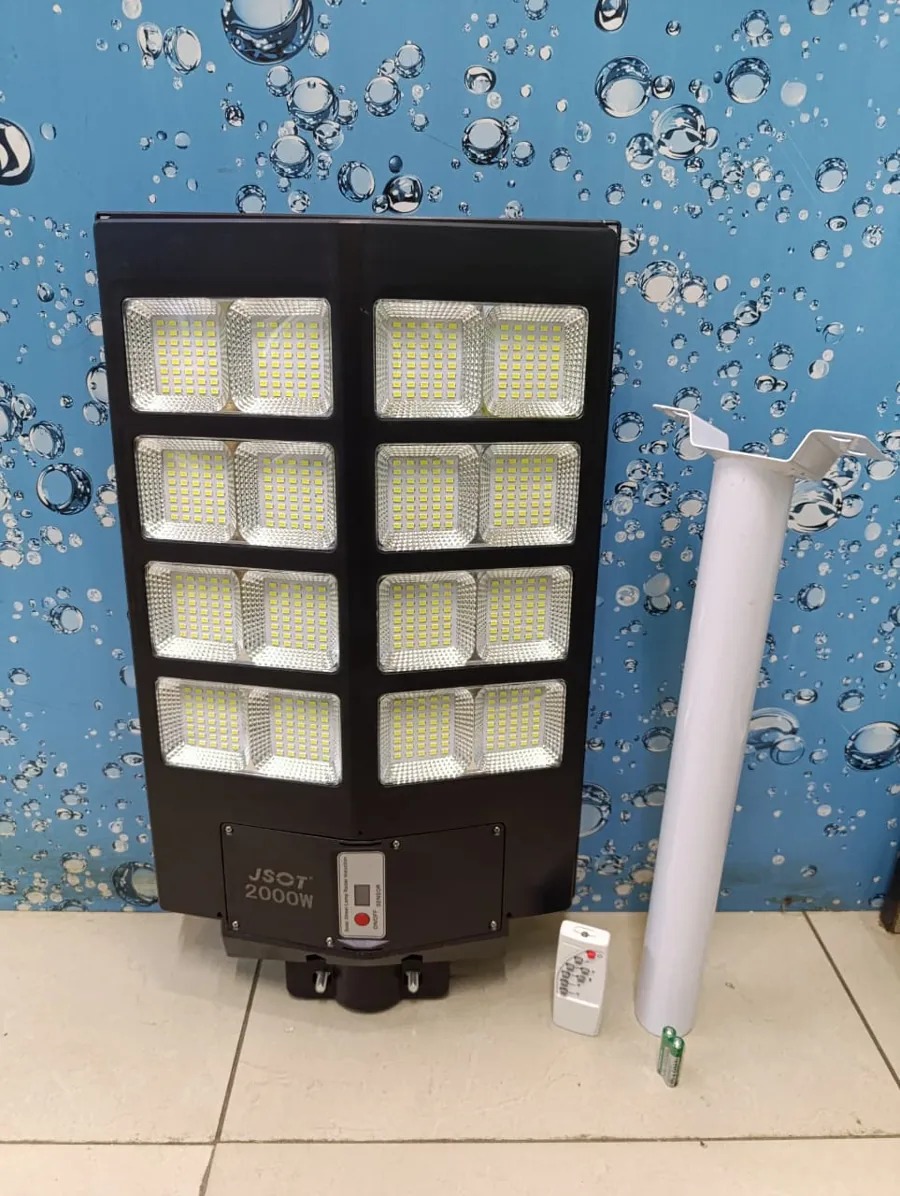
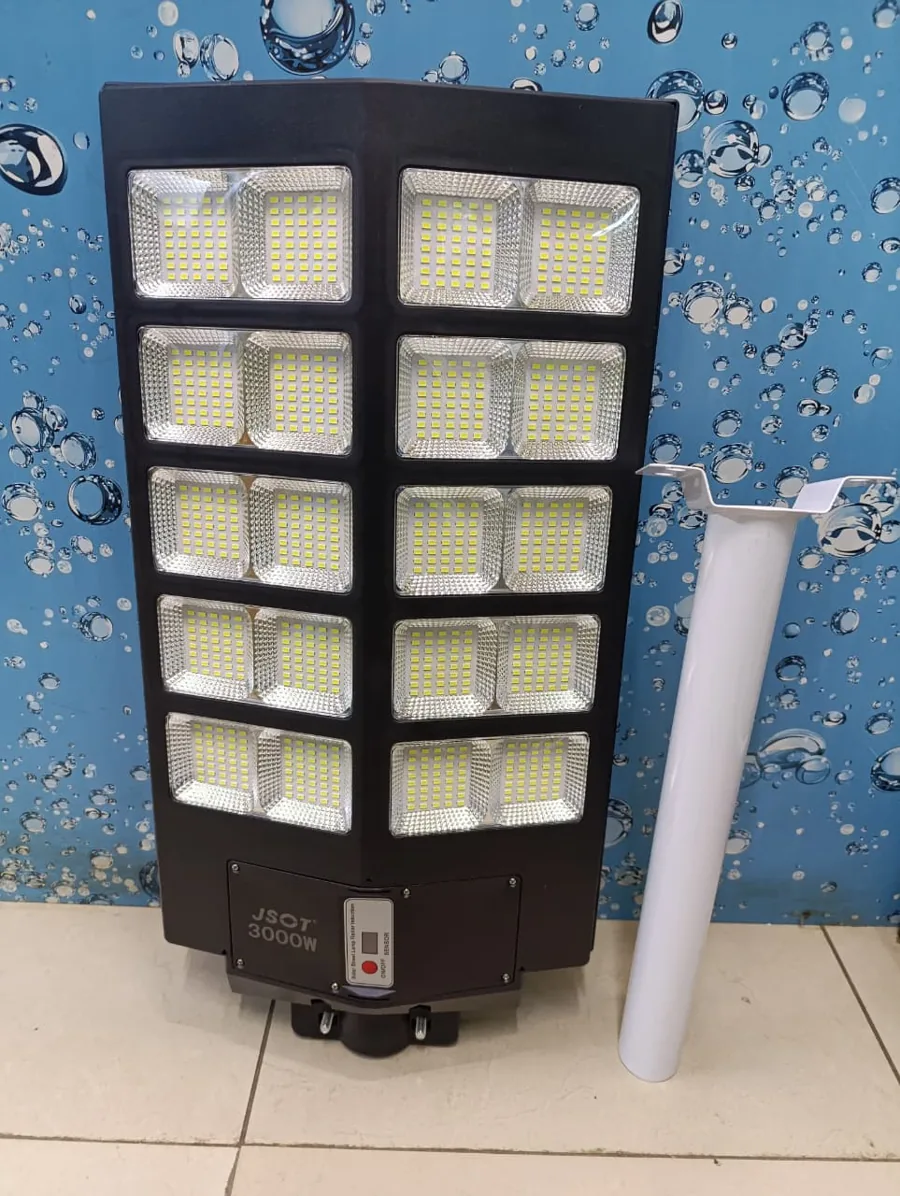
Motion-sensor solar lights with the pole included. No wiring, no power bill. Pick your size:
Ask us on WhatsApp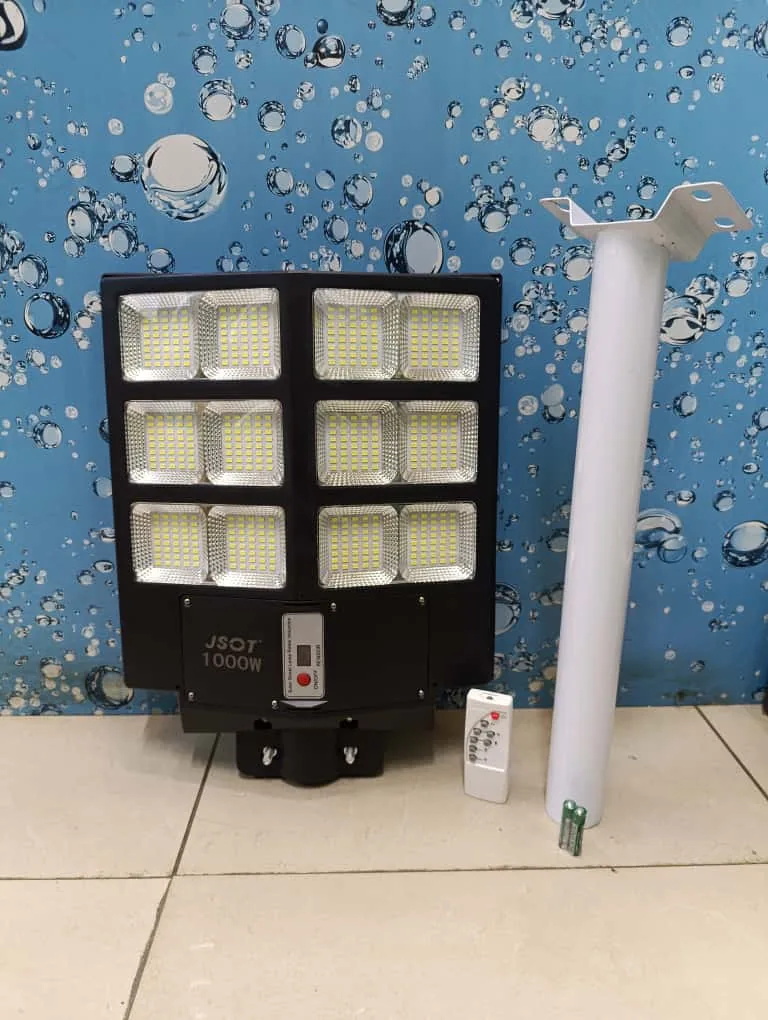
Choosing
For most homes, estates and yards, all-in-one is simpler and good enough. For heavy-duty roads or shady sites, split may be better.
Our range
Our 1000W, 2000W and 3000W lights are all-in-one.
Frequently asked questions
Is split more powerful?
It can be larger. It is also more complex.
Which is easier to steal from?
Split systems have cables and boxes to attack. All-in-one is one unit.
Need help choosing?
Tell us where you want the light and we will recommend the right size, even if it means a cheaper one.
Chat on WhatsAppSee all solar lights and pricesKeep reading
Solar lights for homes · Estates · Schools · Warehouses · Areas we serve