On this page
01. The problem02. How it works03. What to check before you buy04. How we set it up05. What we supply06. How to put it to the hospital07. Get a free survey and quote08. FAQ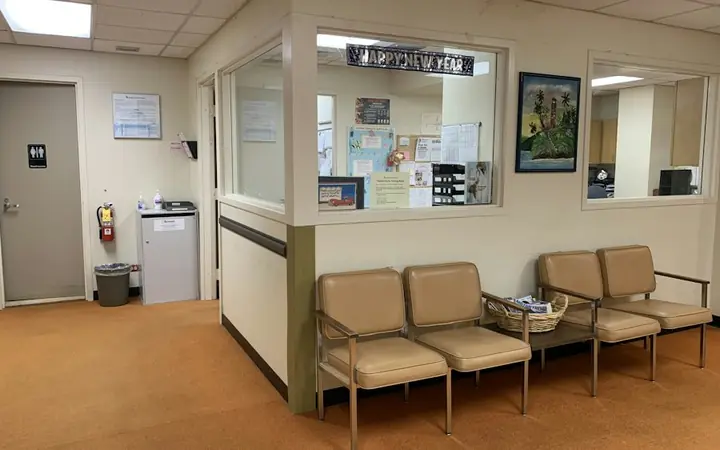
In a clinic, a doctor needs a quick way to ask the nurse or reception for something. Here is how an IP intercom helps.
Key takeaways
- One press
- Quiet
- On your network
- Simple
01The problem
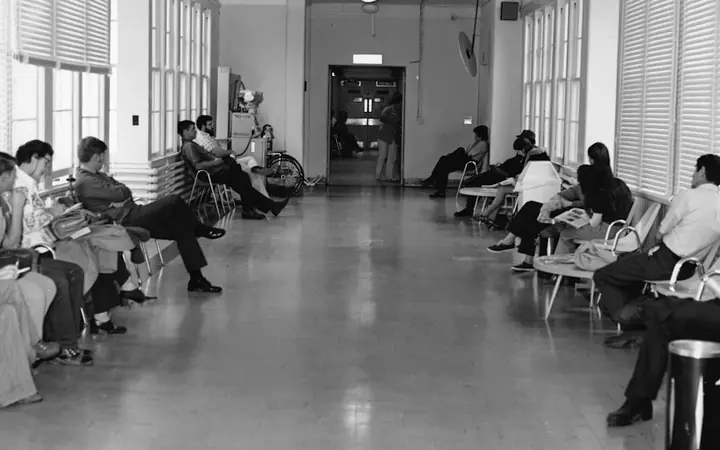
Opening the door and calling down the corridor interrupts every patient. An IP intercom lets the doctor call reception or the nurses' desk with one press and a quiet voice. It runs on the clinic's network and grows with it.
02How it works
03What to check before you buy
| Check | Why it matters |
|---|---|
| Rooms and desks | Where units go |
| Network | Cable and power |
| Call groups | Who rings whom |
| Support | Who looks after it |
| Maintenance | A plan, spares and a response time agreed before you buy |
| Your own requirements | Confirm them with your regulator and advisers |
04How we set it up
- 01Walk a clinicWe note every door, room, route and risk.
- 02Draw the planWhere IP intercoms goes and what it covers.
- 03Cable and powerCabling, power and backup to every point.
- 04Fit and configureInstalled, set up and labelled.
- 05Test and trainWe test every point and train your staff.
05What we supply
We design, supply and install IP intercoms for hospitals, clinics and care homes. Send us a plan or a photo and the number of rooms or doors and we reply with a written quote.
06How to put it to the hospital
Start with the problem a clinic already has, in the words your reader would use, then show what changes. Quote the full scope for a clinic, including cabling, power, installation, training and maintenance, and say plainly what the system does and does not do.
07Get a free survey and quote
08Frequently asked questions
Does it need special cabling?
Network cable and power.
Can reception answer for several rooms?
Yes.
Is it hard to use?
No.