EPRA amended the electricity tariff schedule in a Gazette Notice published on 18 September 2026. Electricity pushed into Kenya Power's network without approval is now defined as “dumping” and is charged at the applicable base tariff. It only affects grid-connected solar systems that send surplus power back into the grid without a net-metering agreement. Systems that use all their power on site, or are set to zero export, are not exporting.
Key takeaways
- Applies to unapproved export to the grid, not to having solar.
- Off-grid systems and zero-export setups don't export.
- The legal route to export is net metering (Energy (Net-Metering) Regulations, 2024).
- The notice was reported as effective from 1 July 2025; enforcement details had not been published by late September 2026.
- Check your inverter's grid-export setting now.
01What changed
The Energy and Petroleum Regulatory Authority (EPRA) published a Gazette Notice on 18 September 2026 amending the tariff schedule. It defines unauthorised electricity injected into Kenya Power's network as dumping, measures it, and charges it at the applicable base tariff. Further action can follow if the injection causes injury or damages equipment.
02Does it affect you?
| Your setup | Exports to the grid? | Affected? |
|---|---|---|
| Off-grid solar (no KPLC connection to the inverter) | No | No |
| Hybrid inverter set to zero export / export limit 0 | No | No |
| Hybrid or grid-tie inverter with export enabled, no agreement | Yes, when solar exceeds use | Yes |
| Approved net-metering customer with bidirectional meter | Yes, approved | No, credited instead |
The risk is highest on sunny weekday afternoons in homes where nobody is in: the panels produce more than the house uses and a grid-tie inverter pushes the surplus out.
03How to stay compliant
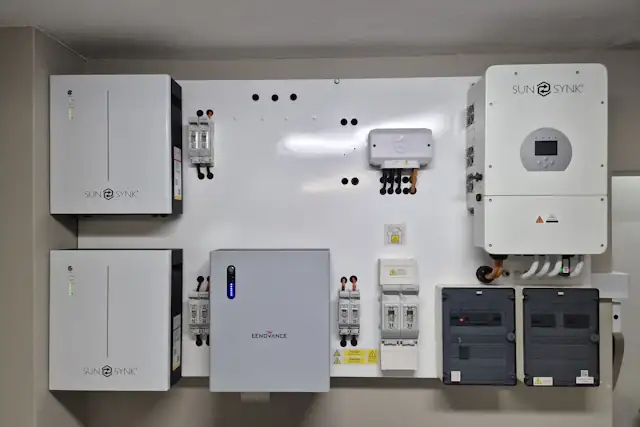
- 01Check the inverter settingsLook for grid export, feed-in or export power limit. Set it to zero if you have no agreement.
- 02Add a CT clamp or smart meterMost hybrid inverters need one on the incoming supply to control export accurately.
- 03Use batteriesStore daytime surplus for the evening instead of exporting it.
- 04Or apply for net meteringIf you want to export, apply to Kenya Power and get a bidirectional meter.
See zero-export solar and how to apply for net metering.
04Frequently asked questions
Is solar now illegal in Kenya?
No. The charge targets power exported to the grid without approval. Solar used on site is not affected.
How much is the dumping charge?
The notice charges dumped units at the applicable base tariff. Check EPRA and Kenya Power for the current rates.
Will I be billed for past exports?
Reports say the rule was backdated to 1 July 2025, but no retroactive billing process had been announced by late September 2026.