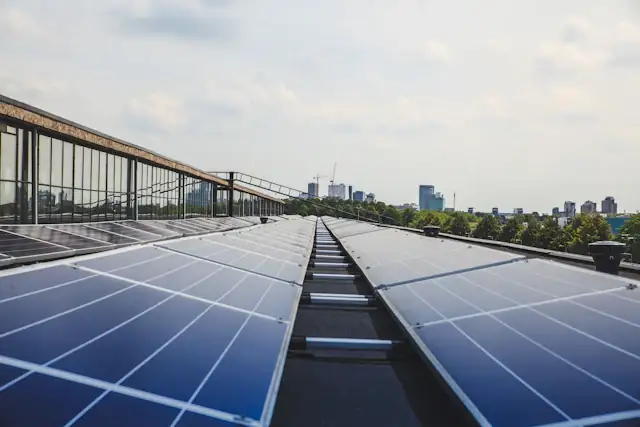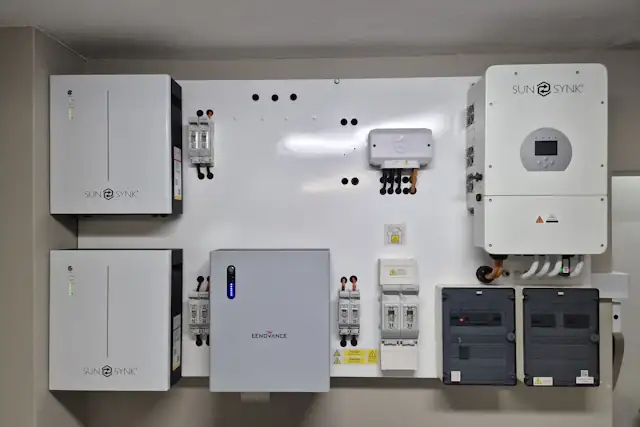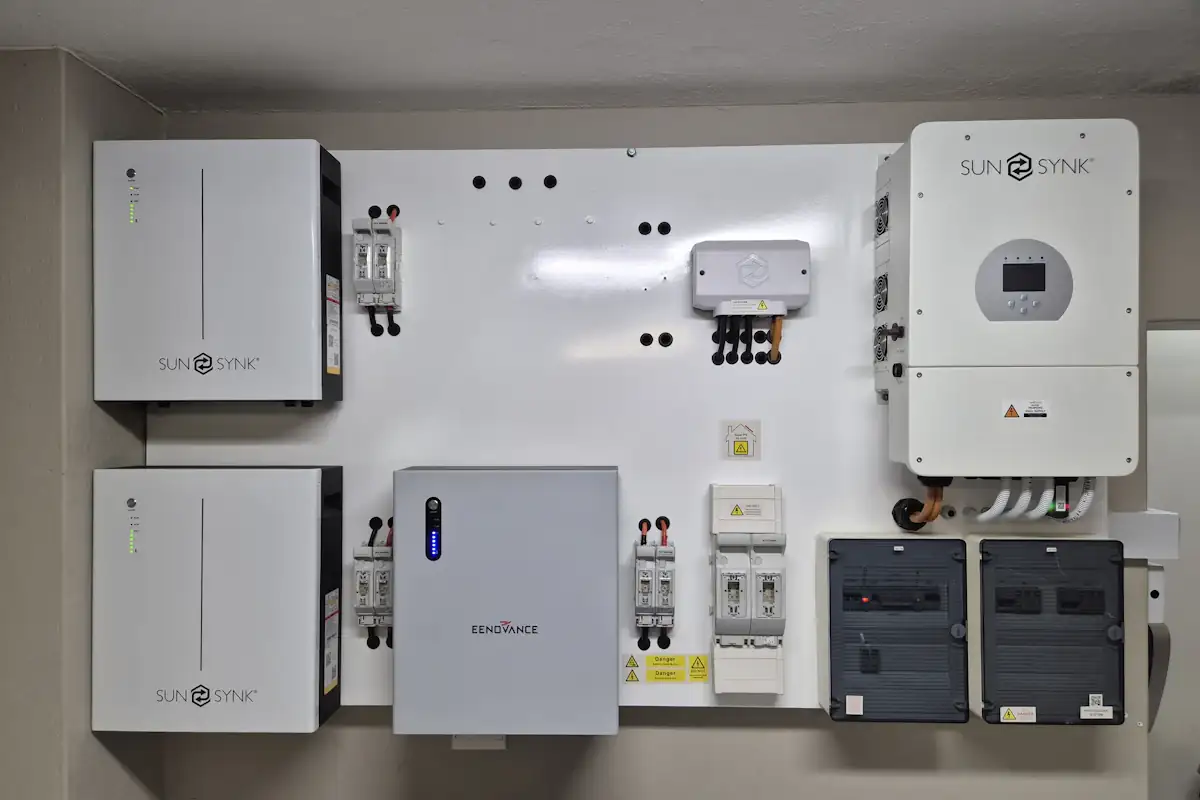
Zero export (export limiting) is an inverter setting that stops a grid-connected solar system sending power into the Kenya Power network. A current sensor (CT clamp) or smart meter on the incoming supply tells the inverter how much the building is using, and the inverter throttles the panels so it never produces more than the load plus what the batteries can store.
Key takeaways
- Keeps all solar on your side of the meter.
- Needs a CT clamp or smart meter on the incoming supply.
- Most hybrid inverters support it.
- Batteries recover energy that would otherwise be curtailed.
- Test it after setup: export should read zero.
01How it works
When the CT sees power starting to flow out to the grid, the inverter reduces output within a fraction of a second. On a sunny afternoon with full batteries and little load, the panels simply produce less.
02What you need
- Hybrid or grid-tie inverter with an export-limit function
- CT clamp or compatible smart meter, correctly oriented
- Export limit set to 0 W in settings
- Batteries (optional) to store surplus
- A test with a reading of grid export
03Zero export vs net metering
| Zero export | Net metering | |
|---|---|---|
| Approval needed | No export, so no export agreement | Kenya Power agreement |
| Surplus energy | Stored or curtailed | Exported for 50% credit |
| Meter | Your existing meter | Bidirectional meter |
| Best for | Most homes and small businesses | Large daytime surplus |
Read EPRA's dumping charge and net metering. Call 0113 301 244 or WhatsApp us.
04Frequently asked questions
Does zero export waste solar?
Some daytime production is curtailed when batteries are full and loads are low. Batteries and shifting loads to daytime reduce the waste.
Do Deye and Growatt inverters support zero export?
Most hybrid models from common brands do, with a CT clamp or meter. Check your model's manual.
Can I add zero export to an existing system?
Usually yes, by fitting a CT or meter and changing the inverter settings.