
Home › Solar light guides › How solar lights work
Solar Light Brightness Modes Explained: Dim, Bright and Motion
Solar lights often offer more than one mode. Choosing the right one makes the difference between a light that lasts all night and one that does not.
Always bright
Full brightness all night. It gives the most light but drains the battery fastest and may not last until morning in a small light.
Dim, then brighten on motion
A low glow all night with full brightness when someone moves. This is the most useful mode for security and battery life, and it is how our lights work.
Ready to light up your place?
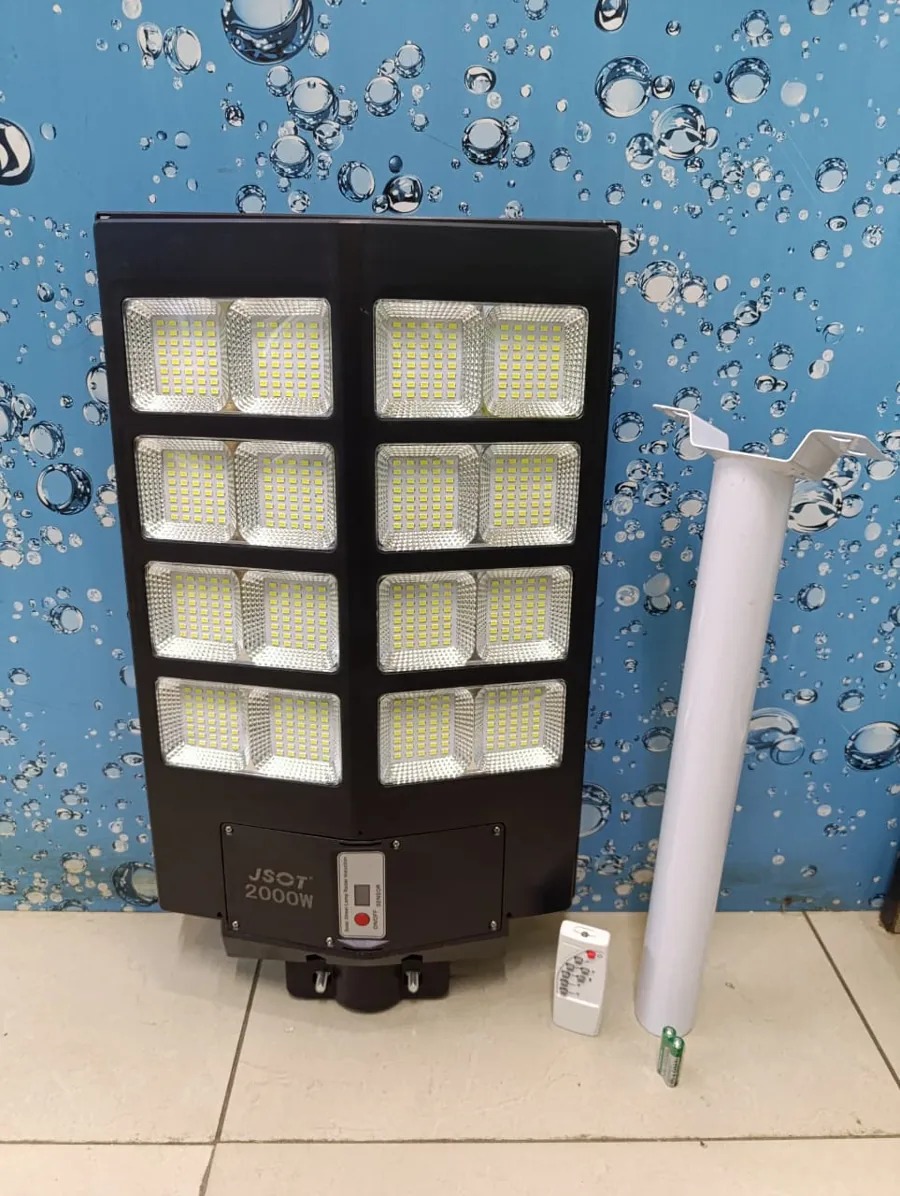
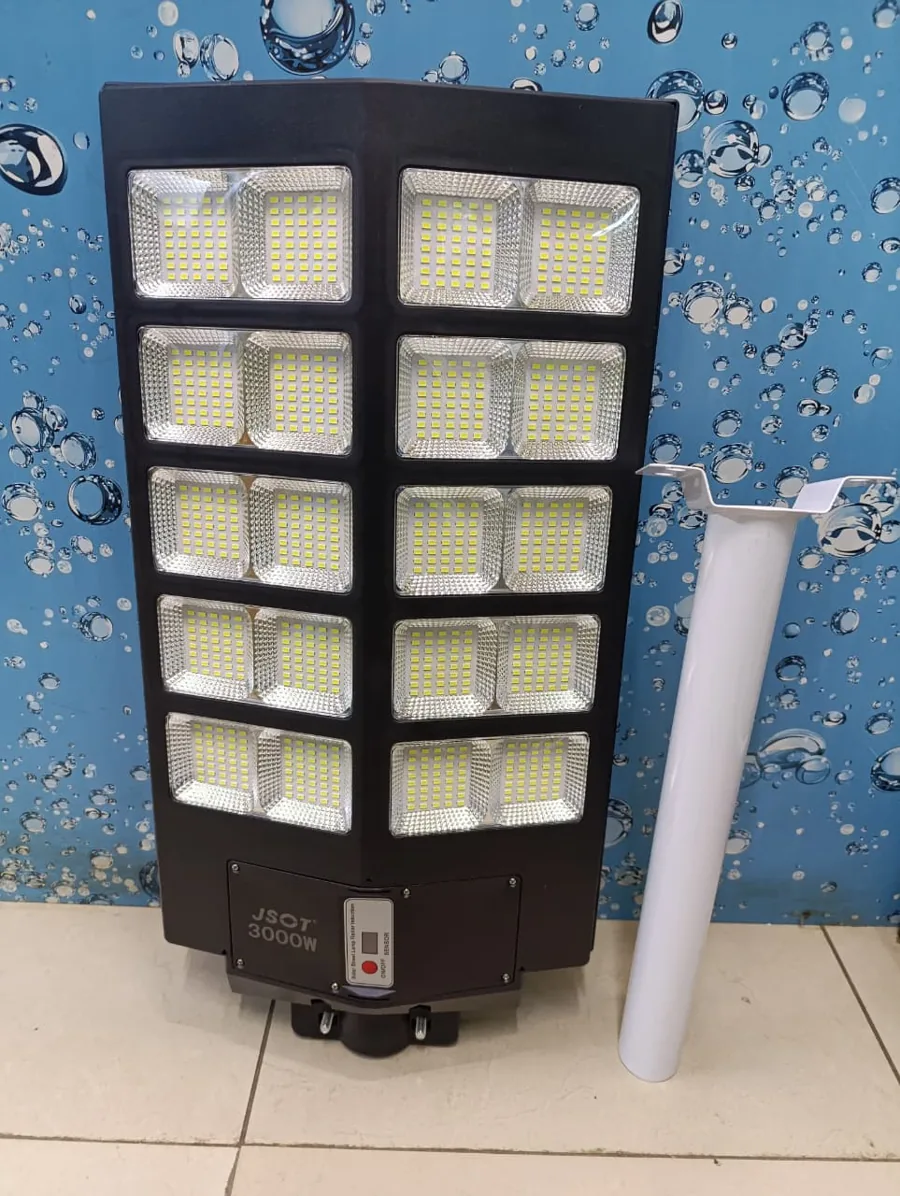
Motion-sensor solar lights with the pole included. No wiring, no power bill. Pick your size:
Ask us on WhatsApp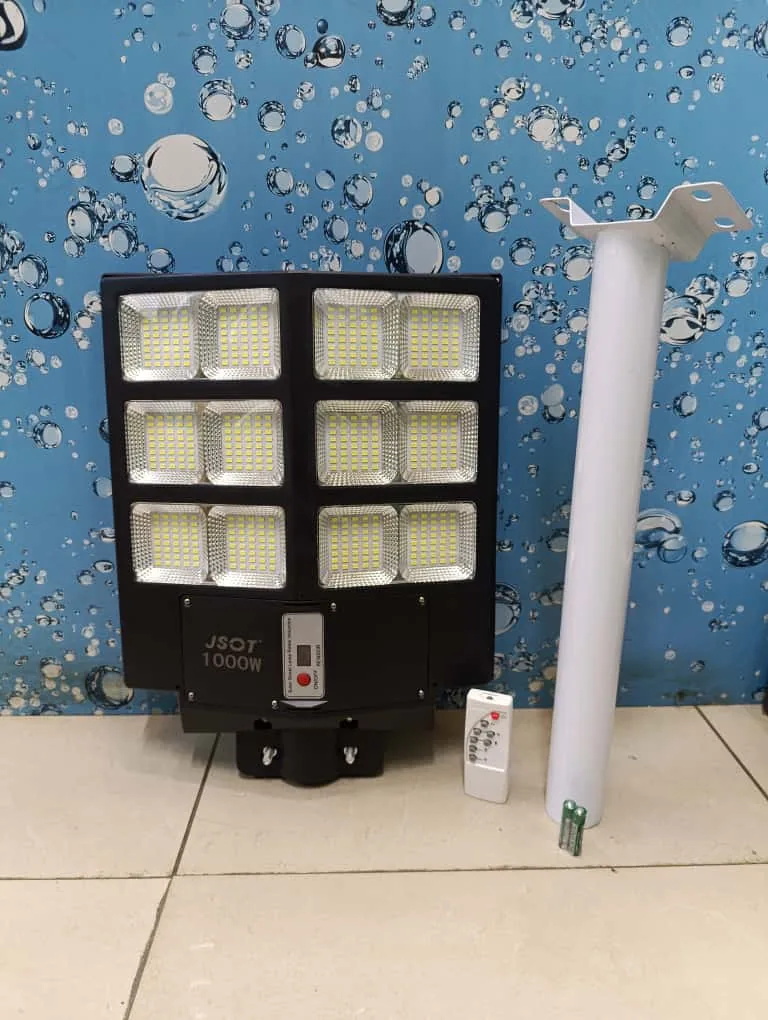
Motion only
Off or very dim until movement is detected. It saves the most energy but gives no light in quiet times.
Which to choose
For gates, compounds and estates, dim-then-brighten. For very busy spots, ask about a larger light.
Frequently asked questions
Can I change the mode?
Ask us about the settings on your model.
Is dim mode bright enough to see?
It is a gentle glow. Full brightness comes on motion.
Need help choosing?
Tell us where you want the light and we will recommend the right size, even if it means a cheaper one.
Chat on WhatsAppSee all solar lights and pricesKeep reading
Solar lights for homes · Estates · Schools · Warehouses · Areas we serve