
Home › Solar light guides › How solar lights work
Radar vs PIR Motion Sensors on Solar Lights: Which Is Better?
Two sensor types are common on solar lights: PIR and radar. Both bring the light up when someone moves, but they do it differently, and the difference matters outdoors.
How PIR works
A PIR (passive infrared) sensor detects the heat of a moving body. It works well in simple conditions but can be affected by strong sun, hot walls and rain, and it needs a clear view of the person.
How radar works
A radar (microwave) sensor sends out a small signal and notices when something moving changes it. It senses movement rather than heat, so it is less affected by temperature and can pick up movement across a wider area. Our lights use radar motion sensors.
Ready to light up your place?
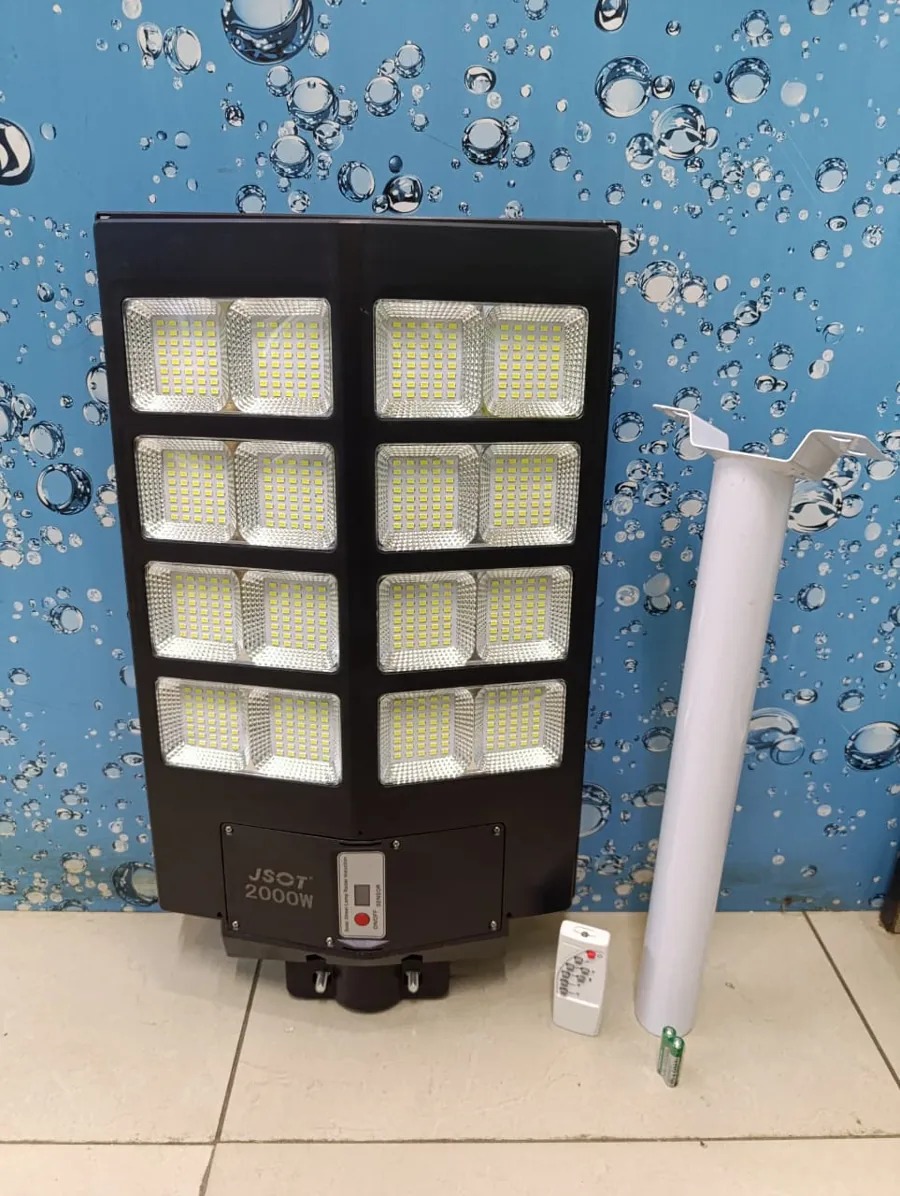
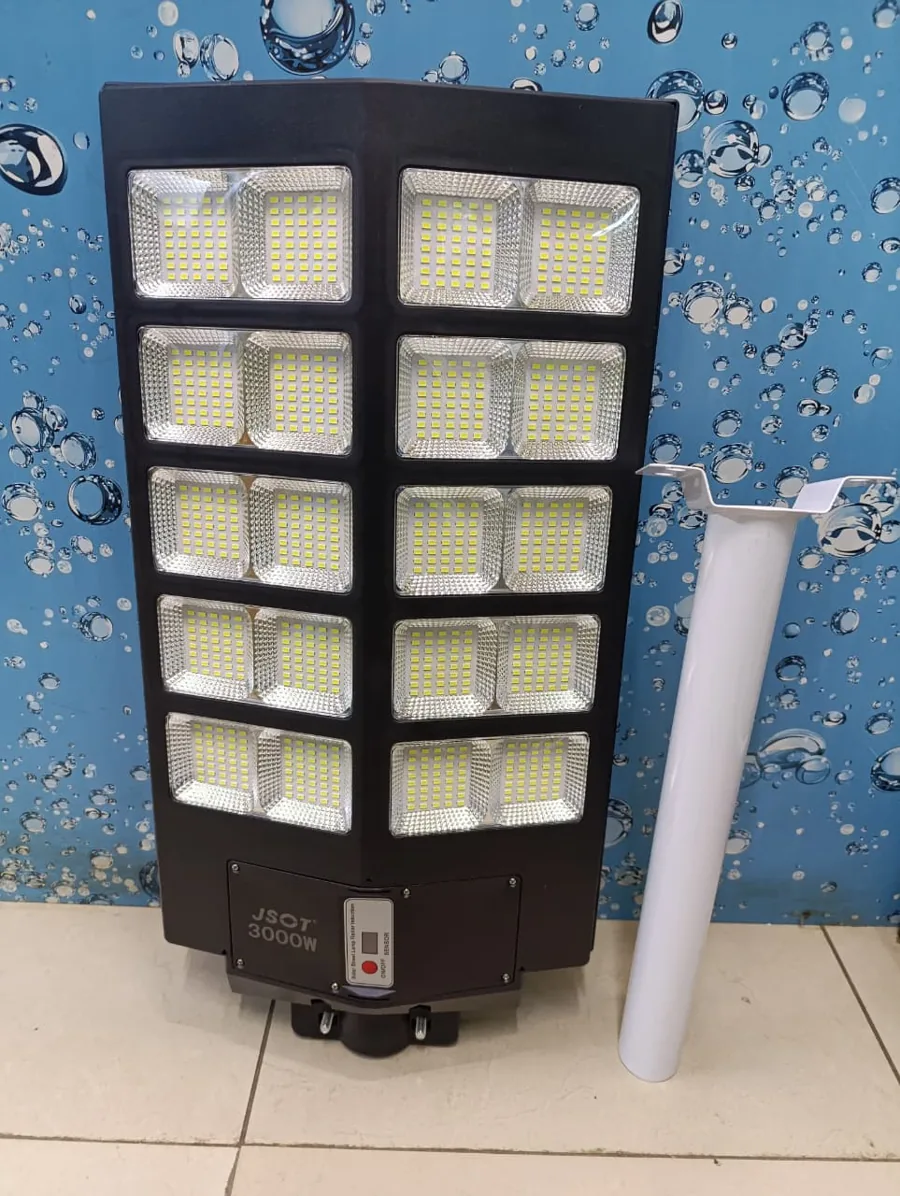
Motion-sensor solar lights with the pole included. No wiring, no power bill. Pick your size:
Ask us on WhatsApp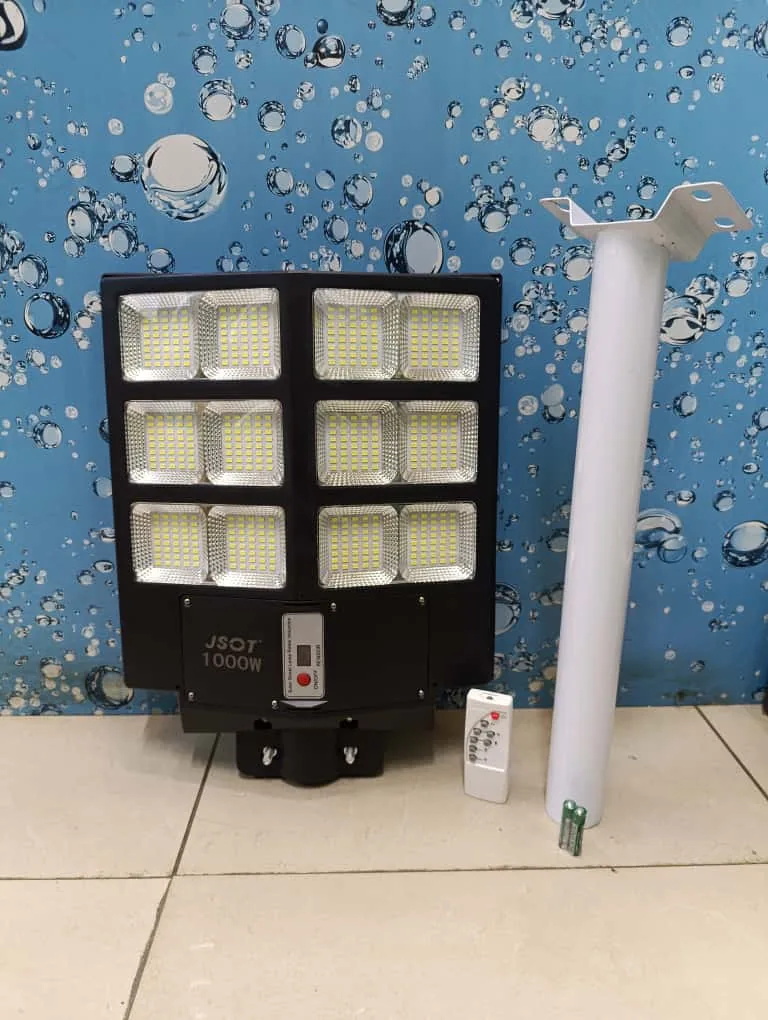
What this means outdoors
In the Kenyan sun, walls and metal roofs get hot, which can confuse heat-based sensors. Radar is generally steadier in changing weather. Radar can also pick up movement from larger objects such as vehicles and animals, so place the light with that in mind.
Which to choose
For gates, compounds and farms, a radar sensor is a solid choice. For indoor corridors, PIR is common. If you are buying outdoor lights, ask which sensor is in the light and how to adjust it.
Frequently asked questions
Can radar see through walls?
Radar signals can pass through thin non-metal materials, so place the light with a clear view of the area you want covered.
Is radar more expensive?
Often slightly, but it is common on better outdoor lights.
Need help choosing?
Tell us where you want the light and we will recommend the right size, even if it means a cheaper one.
Chat on WhatsAppSee all solar lights and pricesKeep reading
Solar lights for homes · Estates · Schools · Warehouses · Areas we serve