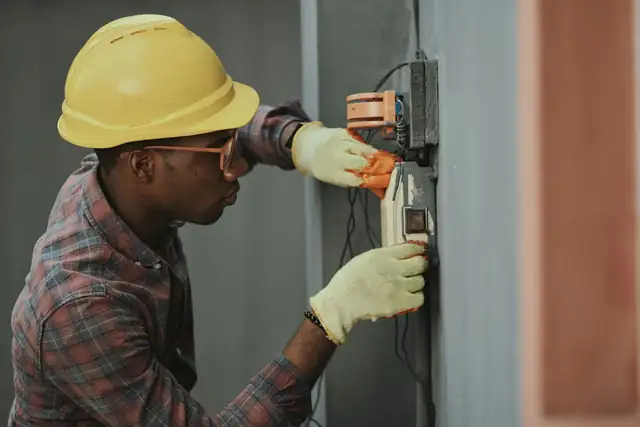
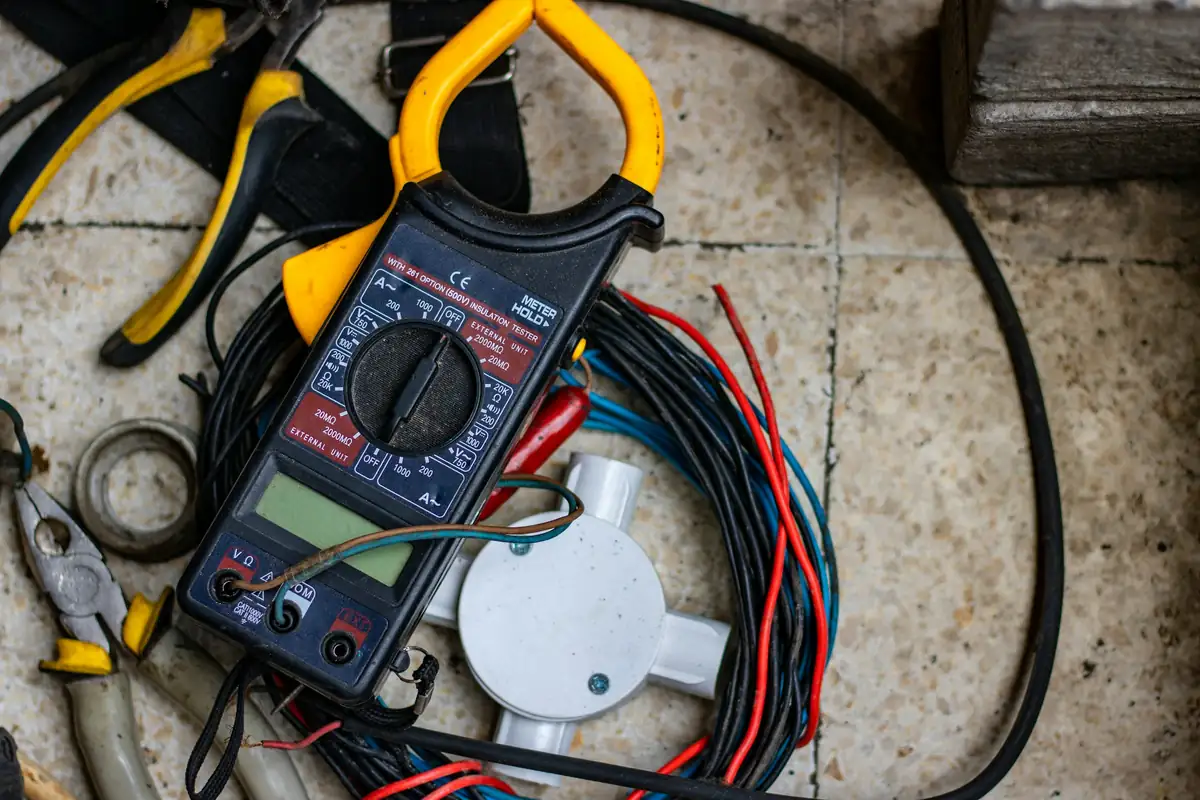
Preventive maintenance is scheduled work to stop failures: cleaning, testing, replacing batteries before they die. Corrective maintenance fixes things after they fail. Relying only on corrective maintenance feels cheaper until a failure happens at the worst moment, which for security systems is exactly when they're needed.
Key takeaways
- Preventive: planned, cheaper per issue, less downtime.
- Corrective: unplanned, urgent, often more expensive.
- Security systems fail when you need them most.
- A contract usually combines scheduled visits and fast corrective response.
01Comparison
| Preventive | Corrective | |
|---|---|---|
| When | On a schedule | After a failure |
| Downtime | Minimal, planned | Until repaired |
| Cost per issue | Lower | Higher (urgent call-outs, parts) |
| Risk | Faults found early | Faults found during incidents |
| Budgeting | Predictable | Unpredictable |
02How they work together
A good maintenance contract includes both: planned visits and agreed response times for breakdowns.
03Where to start
Use the preventive maintenance checklist and the frequency guide.
04Frequently asked questions
Is preventive maintenance really cheaper?
Over time, usually yes: fewer emergencies, longer equipment life and less downtime.
Can I do preventive maintenance myself?
Some checks (cleaning lenses, testing a call point weekly) yes; testing and repairs need a technician.
What does a maintenance contract include?
Scheduled visits, testing, reports and agreed response times for faults. Terms vary, so read them.