Electric Fence for Homes in Kenya
Residential electric fencing for Kenyan homes — wall-top strands, free-standing fences, energiser sizing and alarm integration, fitted cleanly on walls, gates and perimeter fences.

Security
CCTV InstallationAccess ControlBiometrics & AttendanceElectric FencingAutomatic GatesFire Alarm SystemsSecurity Guards & K9Power & Electrical
Solar InstallationSolar & Power BackupElectrical InstallationSmart Home AutomationBuilding Management (BMS)IT & Networking
Networking & Wi-FiIT SupportCyber SecuritySystem IntegrationIntercom SystemsPA SystemsPOS SystemsQueue ManagementResidential electric fencing for Kenyan homes — wall-top strands, free-standing fences, energiser sizing and alarm integration, fitted cleanly on walls, gates and perimeter fences.
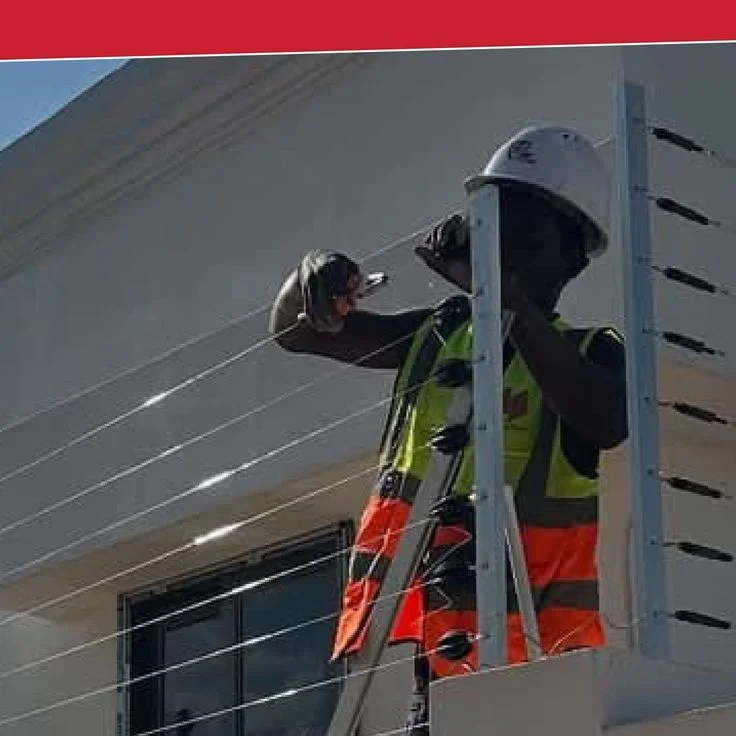
Qyvea Limited installs electric fences for homes across Kenya — for standalone houses, villas, townhouses and gated compounds. A home electric fence is not just a box on the wall and some wires; it is a system sized for the wall, the perimeter and the way the family uses the property. The aim is a fence that looks reasonable, does not alarm on every passing cat, and gives a clear shock to anyone trying to climb it.
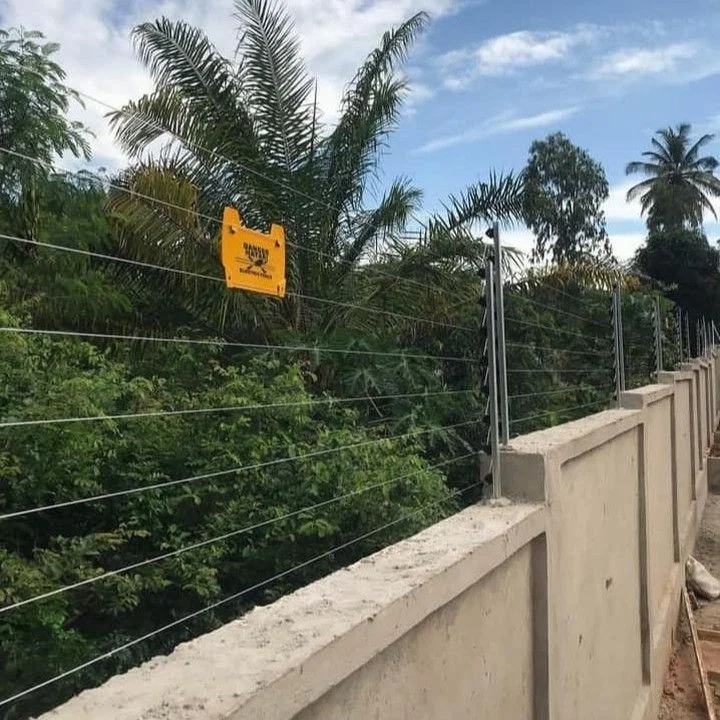
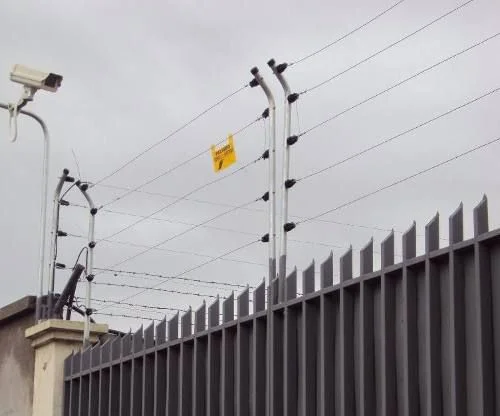
The most common. Angled brackets on top of the perimeter wall, 4–8 strands of high-tensile wire.
For plots with no perimeter wall. Strands on their own posts, combined with wire mesh or palisade below.
Strands along the roof edge, protecting against access from adjoining buildings.
Wires run across the gate leaf or on the gate frame, with a break switch so the gate can open.
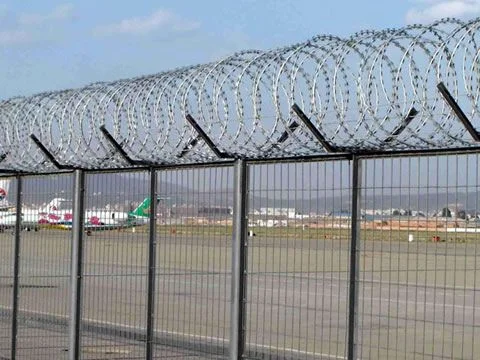
Where a client wants a visible physical barrier along with the shock deterrent.
Occasional installations for specific access routes a client wants to close.
Yes. A domestic electric fence uses an energiser that delivers short high-voltage pulses with very low energy, within a safe limit for people and animals. Warning signage is fitted and the energiser meets the relevant safety standard.
Most residential wall-top fences use 4 to 8 strands on angled brackets. Low walls get more strands; high walls can use fewer because they are already hard to climb.
Yes. The fence monitor can trigger the alarm siren and notify the house or the guard if the fence is cut or bridged. It can also be integrated with CCTV and gate systems.
The fence is fitted above the wall so ground-level access is not possible. Pets inside the compound are not in contact with the fence. Children are protected by wall height and warning signage.
Cost depends on wall length, number of strands, energiser size, alarm integration and whether new mounting work is needed. Qyvea provides a free site survey and itemised quote.
Free site survey, wall-top layout plan and itemised quote.