On this page
01. Start with the purpose of each camera02. Height and angle03. Light: the silent killer04. Finding blind spots05. FAQ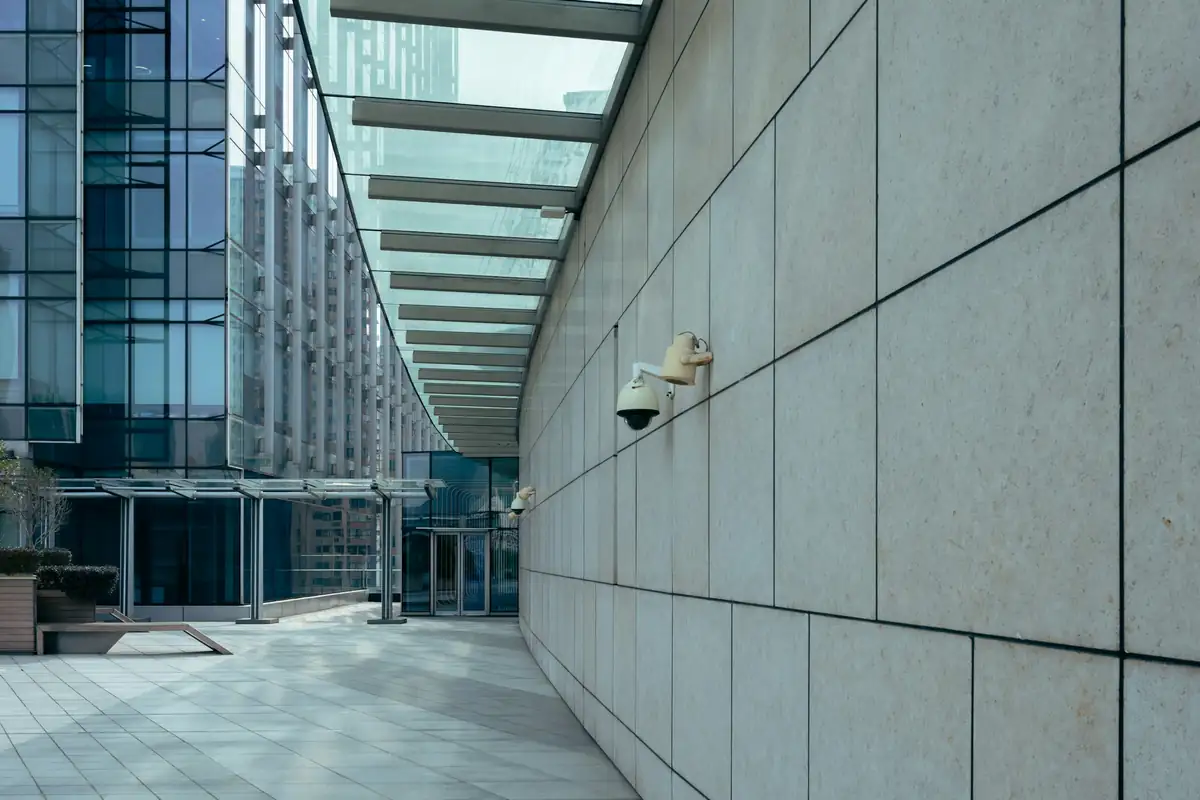
Quick answer
Good positioning puts each camera where it can see what it's meant to see, at a usable angle, without glare, and out of easy reach. Most footage problems (faces too small, backlit silhouettes, gaps between cameras) come from positioning, not from the camera itself.
Real products, live prices, in stock now
See the actual productsLive prices from the Qyvea store
Shop all camera products →Key takeaways
- Give every camera a purpose: identify, recognise or observe.
- Mount high enough to resist tampering, low enough to see faces.
- Avoid pointing cameras into the sun, headlights or bright doorways.
- Overlap coverage so every camera is itself seen by another.
- Check positions at night too.
01Start with the purpose of each camera
IdentifyGate, door, till: capture faces and plates up close
RecogniseCorridors, reception: know who someone is
ObserveYards, car parks: see what's happening
DeterVisible cameras at approaches
Pick resolution and lens to match. See pixel density and lens sizes.
02Height and angle
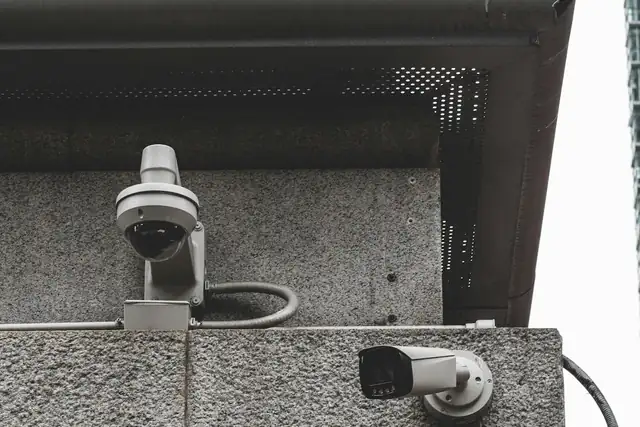
- Typical mounting height around 2.5–3.5 m: out of easy reach but not so high that faces become the top of heads
- Aim along paths people walk towards the camera, not across them
- For number plates, a shallow angle along the lane works better than a steep one
- Keep the horizon out of the top of the frame to reduce sky glare
03Light: the silent killer
- Don't point cameras at the rising or setting sun
- Avoid bright doorways behind people (silhouettes): use WDR cameras or reposition
- Keep IR cameras away from walls or eaves right next to the lens
- Watch for security lights that switch on and blind the camera
TipCheck every camera at night before signing off an installation. Many problems only appear after dark.
04Finding blind spots
- 01Draw the siteMark entrances, boundary, parking, cash and stock areas
- 02Mark each camera's viewDraw the cone of each camera on the plan
- 03Find the gapsRear walls, corners, behind vehicles, roof access
- 04OverlapMake sure each camera is seen by another, so tampering is recorded
- 05Walk the routeWalk the way an intruder would and check you're visible the whole way
05Frequently asked questions
How high should CCTV cameras be mounted?
Commonly around 2.5 to 3.5 m: high enough to resist tampering, low enough to capture faces.
Why are faces dark on my CCTV?
Usually backlight: the camera faces a bright doorway or window. Reposition the camera or use a camera with good WDR.
How do I cover blind spots?
Map every camera's view on a site plan, find gaps, and add or re-aim cameras so views overlap.