CCTV · Technology Explained

CCTV Lens Sizes: 2.8mm vs 4mm vs 6mm, Fixed vs Varifocal

Smaller millimetres mean a wider view with less detail; larger means a narrower, more detailed view. How to choose the right lens for each position.

A camera that records nothing useful is the most expensive thing on your wall.

Read on: it takes a few minutes and could save you a lot more than that.

In this guide you will see:
  • Small mm = wide view, big mm = zoomed-in view.
  • Wide lenses are great for rooms and doorways but poor for detail at distance.
  • Varifocal (e.g. 2.8–12mm) lets the installer frame the scene precisely.
By Qyvea LimitedPublished 2026-09-23Updated 2026-09-232 min read
On this page01. How focal length changes the picture02. Fixed vs varifocal03. Wide isn't always better04. FAQ
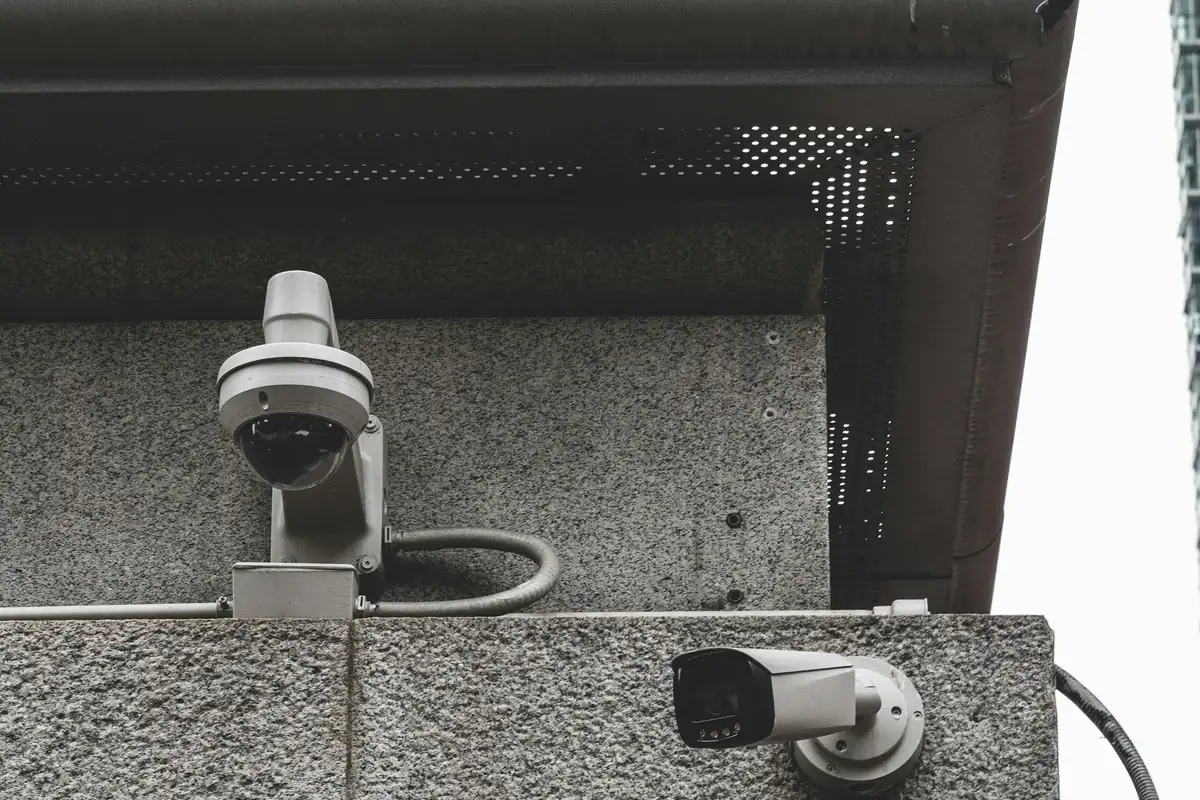
CCTV cameras with different lenses
Quick answer

The lens focal length (in mm) decides how wide the camera sees. A 2.8mm lens gives a wide view with less detail at distance; 6mm or 12mm gives a narrow view with more detail further away. Fixed lenses are set at the factory; varifocal lenses can be adjusted on site to fit the exact scene.

Real products, live prices, in stock now
See the actual productsLive prices from the Qyvea store
Shop all camera products →

Key takeaways

  • Small mm = wide view, big mm = zoomed-in view.
  • Wide lenses are great for rooms and doorways but poor for detail at distance.
  • Varifocal (e.g. 2.8–12mm) lets the installer frame the scene precisely.
  • Motorised varifocal lenses can be adjusted remotely, with no ladder needed.

01How focal length changes the picture

LensViewTypical use
2.8mmVery wideRooms, reception, small yards
4mmWide-mediumDoorways, driveways, general coverage
6mmMedium-narrowGates, corridors, longer views
8–12mm+Narrow / zoomedLong driveways, perimeter lines, number plates

The exact field of view also depends on the camera's sensor size, so always check the datasheet's horizontal angle for the specific model.

02Fixed vs varifocal

Fixed lens

Set focal length
Lower cost
Good when the view is standard

Varifocal lens

Adjustable range (e.g. 2.8–12mm)
Frame the exact scene on site
Motorised versions adjust remotely
TipUse fixed lenses where the scene is predictable (rooms, doors). Use varifocal where distance matters: gates, perimeter lines, plates, or where the right framing isn't obvious until you're on site.

03Wide isn't always better

A wide lens covers more, but spreads the pixels thinly. At a distance, faces become a few pixels wide. For identification at a gate, a narrower lens aimed at the entry point usually beats a wide view of the whole driveway. See pixel density explained.

04Frequently asked questions

Which CCTV lens size is best for home use?

2.8mm or 4mm suits most homes: rooms, doors and compounds. Use a longer lens for a long driveway or gate.

What does 2.8–12mm mean?

It's a varifocal lens that can be set anywhere from a wide 2.8mm view to a zoomed 12mm view.

Can a lens be changed after installation?

On fixed-lens cameras, no. The camera is replaced. Varifocal cameras can be re-adjusted; motorised ones remotely.
Why customers choose Qyvea

Genuine brandsManufacturer warranty on what we sell, so you are not gambling on the box.
One team, start to finishThe people who advise you also install and support it.
Fast answersWhatsApp replies usually within 30 minutes, and delivery within 24 hours in Nairobi.
Easy to buyPay by M-Pesa, bank transfer or card. Free delivery in Nairobi on orders over KES 5,000.
Risk taken off you7-day returns and exchanges on products, and a workmanship warranty on installations.
Customers say soRated 4.6/5 from 57 Google reviews.

Your next step takes one minute: send us a photo of the place on WhatsApp and we will tell you what it needs.

Related articles

CCTV · Comparison
CCTV Resolution Explained: 2MP vs 4MP vs 5MP vs 8MP
What megapixels really buy you, why 8MP isn't always the right answer, and how pixel density decides whether you can identify a face.
3 min readREAD FULL ARTICLE →
CCTV · Guide
CCTV Camera Positioning: Heights, Angles & Blind Spots
Where cameras go matters more than how expensive they are. Heights, angles, glare and overlap, and how to find the blind spots on your site.
2 min readREAD FULL ARTICLE →
CCTV · Comparison
CCTV Camera Types: Dome vs Bullet vs Turret vs PTZ
Dome, bullet, turret, PTZ or fisheye? Where each camera shape works best, and why most sites use a mix.
3 min readREAD FULL ARTICLE →
← PreviousCCTV Image Blurry, Foggy or Washed Out? Causes and FixesNext →CCTV Night Vision: IR vs Full-Colour (ColorVu) vs Smart Hybrid Light

Need this system installed?

Talk to Qyvea. We design, install and maintain it.

Chat with us — 30 min response