On this page
01. The moment that matters02. What waiting really takes03. Picture the day after04. How a call travels05. What to check before you buy06. How we set it up07. What we supply08. Your first small step09. FAQ
A SIP phone system carries voice over the hospital's network, so every desk, ward and handset joins one phone system that can route, group and forward calls.
Key takeaways
- A switchboard few can change
- Direct lines nobody remembers
- Personal mobiles doing the job
- Relatives bounced between desks
01The moment that matters
Many hospitals run three phone worlds at once: a switchboard nobody fully understands, a handful of direct lines and the personal mobiles that staff use because the others are too hard. A patient's relative rings the front desk and is passed along, put on hold, cut off. The cause is rarely the staff. It is a phone system that was never designed around how a hospital actually works.
02What waiting really takes
03Picture the day after
Now picture one phone system. Reception answers and sends the call to the ward with a single press. A ward has a shared number, so whoever is on duty answers. A sister on rounds carries her extension on a handset. Changes, a new ward, a new number, are made in minutes on screen, not after a call-out. The phone stops being the thing everyone works around.
04How a call travels
05What to check before you buy
| Check | Why it matters |
|---|---|
| Number of extensions | Desks, wards, handsets and doors, with room to grow |
| Call groups and forwarding | By ward, shift and role |
| Network readiness | Cable, switches and power for phones |
| Line to the outside | How calls arrive from the public network |
| Backup power | The core stays up in a power cut |
| Support | Who repairs it, and how fast |
06How we set it up
- 01Walk the hospitalWe note every ward, desk, door and the routes staff walk to talk to each other.
- 02Draw the call planWho rings whom, which desks share a number and where calls go if unanswered.
- 03Cable and powerNetwork cable to every device, with power over the cable where the model supports it, and backup power for the core.
- 04Fit and configureIntercoms, phones and handsets installed, named and set up.
- 05Test every pointA call from every device to every group, including after-hours routing.
- 06Train each shiftA short session at shift change, then a check after two weeks.
07What we supply
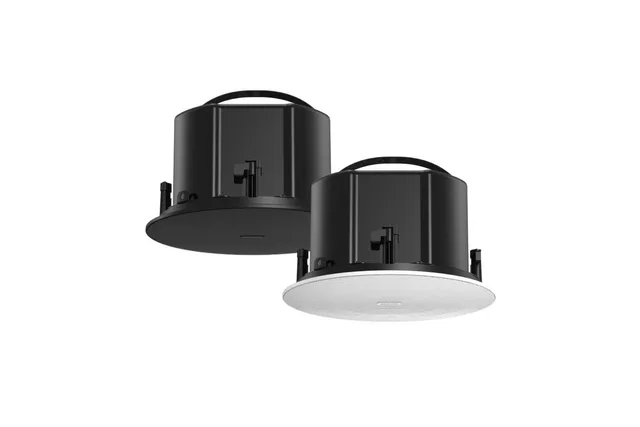
We design, supply and install IP intercoms, SIP desk phones, wireless handsets, ceiling speakers and the network behind them for hospitals, clinics and care homes. We stock Fanvil IP phones and intercoms and can quote other brands where they fit your site better. Send us a plan or a photo of your nurses' station and we reply with a written quote.
08Your first small step
Start small: tell us how many desks and wards you have, and we will sketch which calls should ring where. It takes ten minutes and you keep the sketch whatever you decide.
09Frequently asked questions
Do we need to replace everything?
Often not. We can bring existing lines in alongside the new system.
Can staff use handsets?
Yes, wireless handsets can carry an extension.
What if the network goes down?
We plan backup and a fallback for critical lines.
Who changes the numbers later?
You can, with a short session; or we do.