Quick answer
Lithium (LiFePO4) batteries cost more upfront but let you use most of their capacity, last many more charge cycles and need no maintenance. Lead-acid batteries, including the familiar tubular and gel types, are cheaper to buy but should only be discharged about halfway and wear out sooner. For daily solar cycling, lithium usually costs less per year.
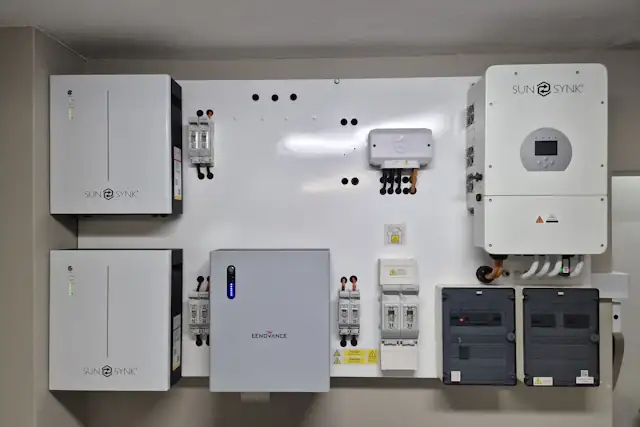
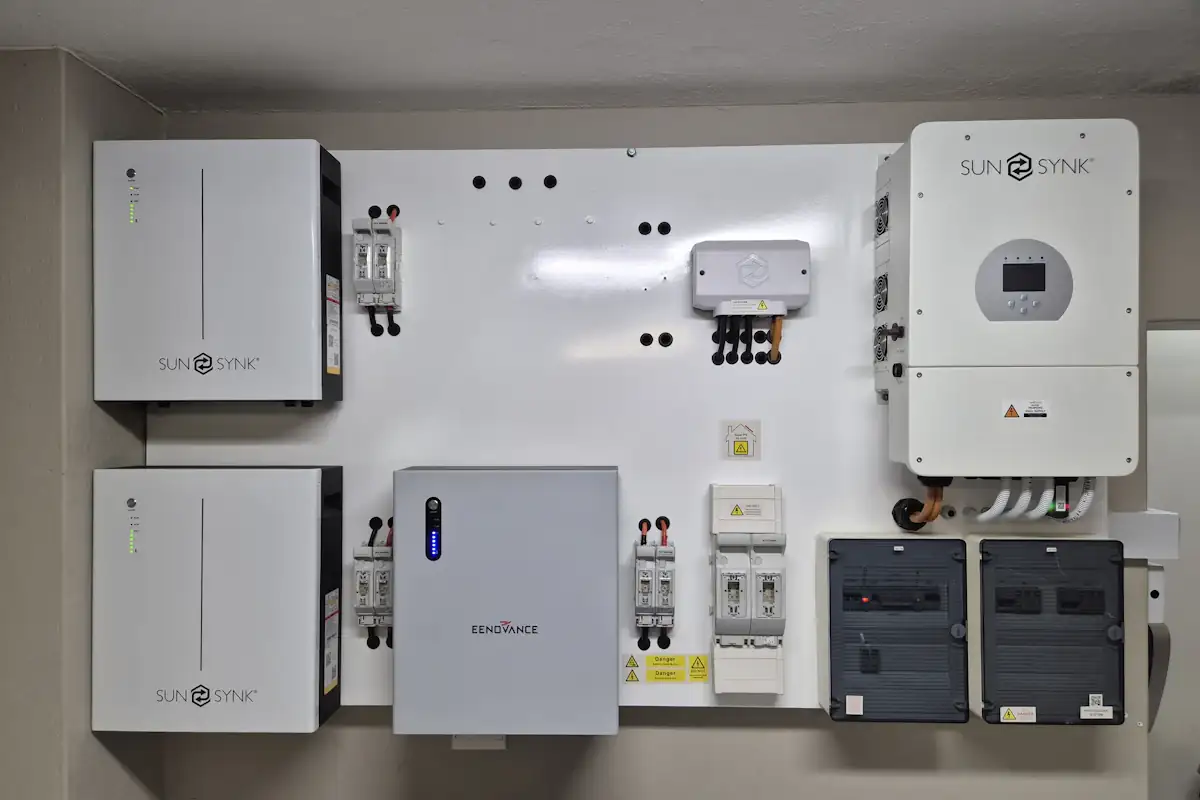
Real products, live prices, in stock now
See the actual productsLive prices from the Qyvea store
Shop all inverter products →Key takeaways
- Lithium: higher price, much longer life.
- Lead-acid: cheaper, use only about half the capacity.
- LiFePO4 is the safe lithium chemistry for homes.
- Lithium needs a compatible inverter and BMS.
- Compare cost per usable kWh per cycle, not sticker price.
01Side by side
| Lithium (LiFePO4) | Lead-acid (tubular, gel, AGM) | |
|---|---|---|
| Usable capacity | Most of rated capacity | About 50% for good life |
| Cycle life | Thousands of cycles | Hundreds to low thousands |
| Maintenance | None | Flooded types need water top-ups |
| Weight | Light | Heavy |
| Charging | Fast, needs BMS communication | Slower, absorption stage |
| Upfront cost | Higher | Lower |
02Which should you choose?
Choose lithium
Daily solar cycling
Frequent long outages
No space or time for maintenance
Choose lead-acid
Occasional backup only
Tight upfront budget
Existing lead-acid inverter
TipDon't mix old and new batteries, or lithium and lead-acid, on the same bank.
03Frequently asked questions
Is lithium worth the extra cost?
For daily solar use, usually yes: more usable energy and a longer life lower the cost per cycle.
Can my inverter use lithium batteries?
Check that it has a lithium setting and supports your battery's communication (CAN/RS485).
How long do lead-acid solar batteries last?
It depends on depth of discharge, heat and charging; deep daily discharge shortens life a lot.