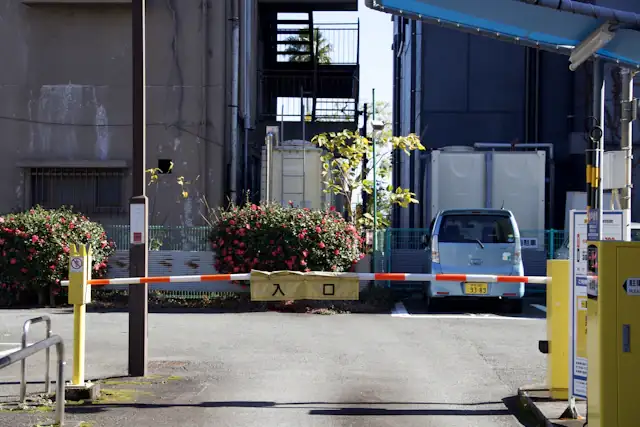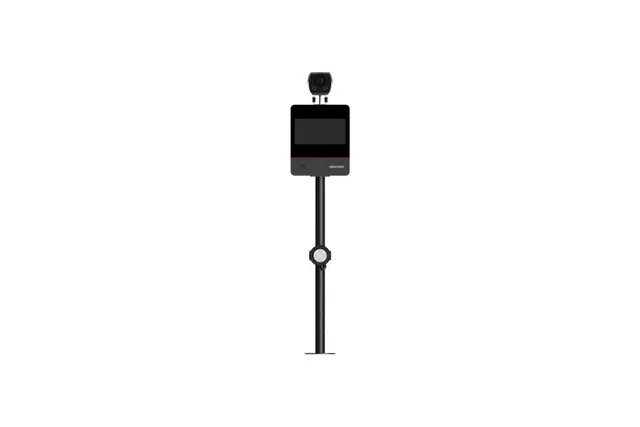
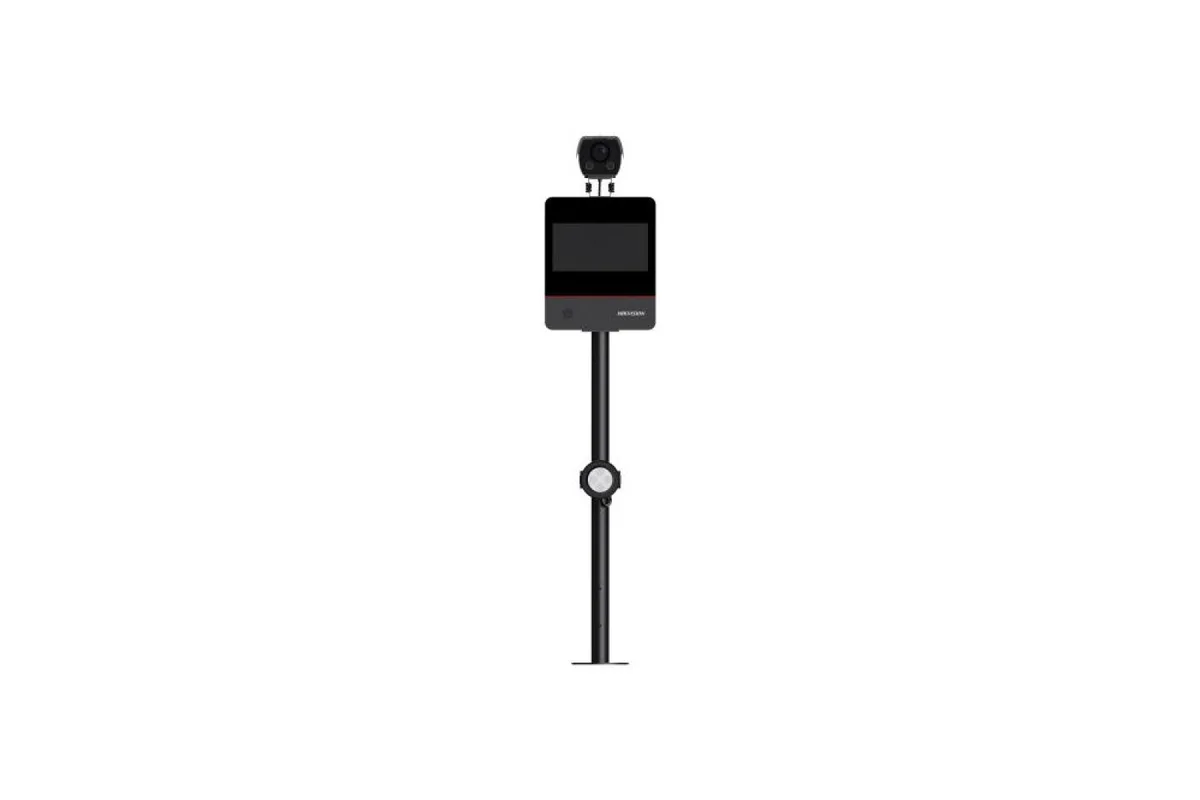
An ANPR camera captures each approaching vehicle, finds the number plate in the image, reads the characters and compares them with a list of allowed plates. If the plate is on the list, it signals the barrier or gate to open and logs the event; if not, the guard decides. Infrared lighting and fast shutter speeds let it read plates day and night.
Key takeaways
- Capture, locate plate, read characters, compare, act, log.
- Infrared and fast shutter avoid blur and headlight glare.
- Camera angle and height decide accuracy more than resolution.
- Every entry and exit is logged with a photo.
- Visitors can be given temporary plate access.
01Step by step
02What affects accuracy
- Angle: a shallow angle to the plate reads best
- Height and distance matched to the lens
- Vehicle speed: slow the approach with a ramp or bend
- Plate condition: dirty, damaged or decorated plates read poorly
- Lighting: dedicated ANPR cameras handle night and glare
03Where it's used
Gated estates, office car parks, malls, hospitals, factories and schools. See ANPR for estates, ANPR for gates and ANPR camera prices.
04Frequently asked questions
Can a normal CCTV camera read number plates?
Not reliably. Dedicated ANPR cameras use settings and lighting designed to read plates on moving vehicles.
Does ANPR work with Kenyan plates?
Yes, when the camera's recognition is set for the region and installed at the right angle.
What happens if a plate isn't recognised?
The guard can open the barrier manually and the event is still logged with a photo.