Fire Alarm Companies in Kenya

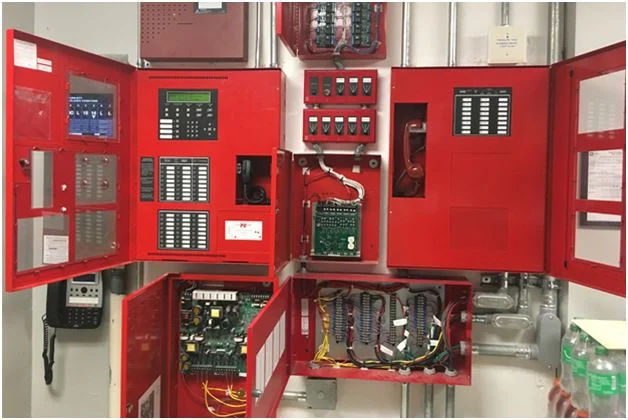
How to choose a fire alarm company in Kenya — what to check, what to ask, and what a competent installer hands over. Qyvea Limited designs, installs, commissions and maintains fire alarm systems across Kenya for offices, schools, warehouses, hotels and industrial facilities.
Why the company you choose matters more than the equipment

A fire alarm system is only as good as its design. The same panel and detectors, installed by a company that doesn't understand your building, will produce nuisance alarms, blind spots on escape routes, and a system that fails the first time it's genuinely needed.

Qyvea Limited is a Kenya-based fire alarm company working across Nairobi, Mombasa, Kisumu and all 47 counties. We design detection to match each building, install with certified technicians, commission with full documentation, and maintain the system so it still works in year five — not just on the day of handover.

What a competent fire alarm company does

Designs to the building

Detection method chosen for ceiling height, room use and fire risk — not a one-size package.

Certifies its work

NCA-registered, EPRA-certified for electrical scope, manufacturer-authorised for the panels it installs.

Commission & test

Every device tested on site, zones verified, battery backup checked, and results recorded.

Handover documentation

As-built drawings, zone charts, detector schedules, commissioning records — everything inspectors ask for.

Trains your staff

Panel operation, alarm response, drill procedures and fault reporting taught at handover.

Maintains the system

Scheduled testing, consumable replacement and 24/7 call-out cover after installation.

What to ask before hiring a fire alarm company

1. "Can I see your NCA and EPRA registration?"

Any company doing electrical fire alarm work in Kenya needs NCA registration for the construction scope and EPRA certification for the electrical work. Ask for certificate numbers and verify them. A company that can't produce these is either subcontracting the work or operating outside the law.

2. "Which manufacturer authorises you for the panels you're proposing?"

Fire panels and detectors come with firmware, warranties and spares that require manufacturer authorisation. A company installing whatever panel is cheapest that month won't be able to support it properly — spares dry up, firmware goes stale, and warranty claims get refused.

3. "What detection method are you proposing, and why that one?"

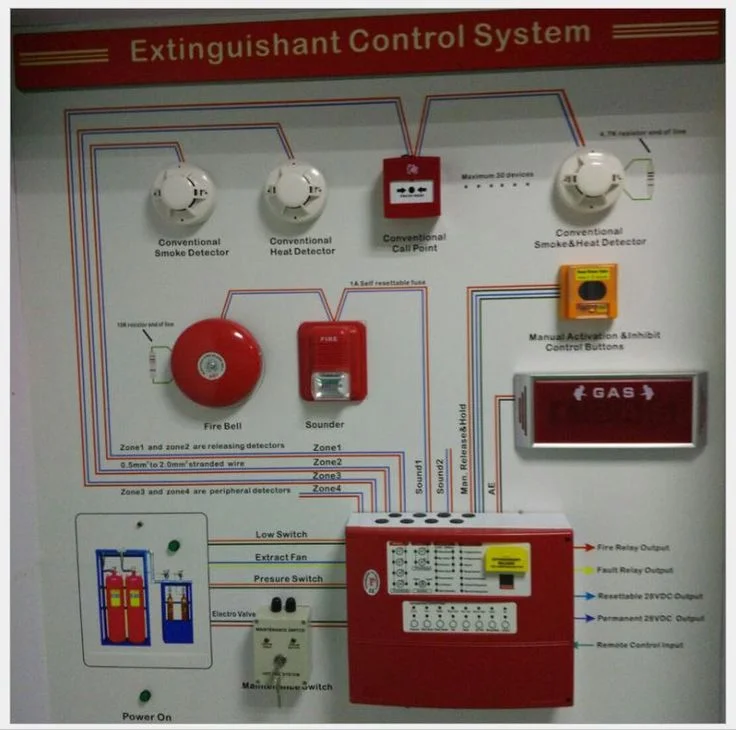
A competent company explains why point detectors, beam detectors or aspirating detection is right for each space. A company that proposes the same package regardless of your building's height, layout or contents is selling boxes, not fire safety.

4. "What does handover include?"

As-built drawings, zone charts, detector schedules, commissioning test records, battery documentation, staff training. Anything less and you won't be able to satisfy an inspector, or fault-find when something goes wrong.

5. "What's your response time for call-outs?"

Fire alarm faults need a response measured in hours, not weeks. Ask what happens when a detector fails, a panel goes into fault, or a zone stops reporting. If they can't answer in specific terms, there's no service behind the sale.

6. "Do you offer a maintenance contract, and what does it cover?"

Fire alarm systems degrade. Detectors get dusty, batteries fail, and fault conditions go unnoticed. A maintenance contract should include scheduled testing, consumable replacement and 24/7 call-out cover. Systems without one are unreliable within a year.

Warning signs when choosing a fire alarm company

No site visit before quote

Any fixed price quoted without seeing the building is either padded or wrong. Both cost you.

No certification numbers

"We're registered" without a number to verify means the company is likely subcontracting.

Package pricing only

"8-camera / 8-detector packages" ignore your building. Fire alarms aren't sold by the box count.

No mention of documentation

If handover isn't discussed up front, there isn't one — and you'll fail the first inspection.

Vague on maintenance

Installation-only companies disappear after commissioning. Systems fail without regular testing.

Payment before commissioning

Final payment should follow commissioning and handover, not installation. It's your only leverage.

What we commit to in writing

  • Free site survey before any quote — we see the building before we price it
  • Itemised quote listing every panel, detector, call point, sounder and integration point
  • Design rationale explaining why each detection method was chosen for each space
  • Certification pack with NCA, EPRA and manufacturer authorisations attached to the quote
  • Commissioning records signed off device by device, zone by zone
  • Full documentation handover — as-built drawings, zone charts, detector schedules, training records
  • Maintenance contract option from day one, with 24/7 call-out cover
  • Final payment on commissioning — not on installation

Common questions about fire alarm companies in Kenya

How do I choose a fire alarm company in Kenya?

Check four things before hiring: (1) technical capability — do they design detection to match your building rather than sell a package; (2) certifications — NCA registration, EPRA where electrical work is involved, and manufacturer authorisations; (3) handover — do they provide as-built drawings, zone charts and staff training; (4) support — response times, spare parts availability and a maintenance contract. Qyvea provides all four in writing before any work begins.

How much does a fire alarm system cost in Kenya?

Cost depends on building size, number of zones, detection method (conventional, addressable, aspirating, beam), panel type, integration with access control or BMS, and whether the building is new or retrofit. Any company quoting a fixed price without a site visit is guessing. Qyvea provides a free site survey and itemised quote before any work begins.

What certifications should a fire alarm company in Kenya have?

At minimum: NCA registration for the electrical and construction scope, EPRA certification for electrical work, and manufacturer authorisation for the fire panels and detectors they install. Where access control or CCTV integration is involved, check the security-related registrations too. Qyvea holds all of these and provides copies on request.

What should a fire alarm company hand over after installation?

As-built drawings, zone charts, detector location schedules, battery and panel documentation, commissioning test records, staff training, and a maintenance schedule. Anything less leaves you without what inspectors ask for. Qyvea hands over a full documentation pack as standard.

Do fire alarm companies in Kenya offer maintenance contracts?

The good ones do. A fire alarm system that isn't tested becomes unreliable within a year — detectors get dusty, batteries fail, and faults go unnoticed. Qyvea offers annual and multi-year maintenance contracts with scheduled testing, consumable replacement and 24/7 call-out cover. See fire alarm maintenance.

Do you cover the whole of Kenya?

Yes. Qyvea is a Nairobi-based, delivery-only supplier, and installs across Kenya including Mombasa, Kisumu, Nakuru, Eldoret, Thika, Ruiru, Naivasha, Nanyuki and Diani.

Get a fire alarm quote you can trust

Free site survey, itemised quote, certification pack attached. No package pricing, no guesswork.

Fire alarm installation by sector

Chat with us — 30 min response