On this page
01. What the sensors detect02. Avoiding false alarms03. Alarm, immobilizer and tracker together04. FAQ
A car alarm watches the doors, bonnet and boot, and uses a shock sensor to detect knocks or broken glass. Some also use a tilt sensor for towing or wheel theft. When triggered it sounds a siren and flashes the lights, and smart alarms also notify your phone. Good installation and correct sensor sensitivity are what separate a useful alarm from one everyone ignores.
Key takeaways
- Door/bonnet/boot triggers + shock sensor are the basics.
- Tilt sensors help against towing and wheel theft.
- Oversensitive shock sensors cause false alarms that people learn to ignore.
- An alarm deters; pair it with an immobilizer to prevent drive-away.
01What the sensors detect
02Avoiding false alarms
- Set shock sensitivity for where the car is parked; busy roads and heavy vehicles cause vibration
- Check bonnet and door switches, because worn switches cause random triggers
- Weak car batteries can cause erratic behaviour
- Heavy rain or loose items in the cabin can trigger some interior sensors

03Alarm, immobilizer and tracker together
An alarm makes noise and a tracker tells you where the car is. Neither stops a car being driven away if the thief can start it, which is why most installations combine an alarm with an immobilizer and a GPS tracker.
04Frequently asked questions
Why does my car alarm go off by itself?
Usually an oversensitive shock sensor, a faulty door or bonnet switch, or a weak battery. These can be checked and adjusted.
Can a car alarm send alerts to my phone?
Smart alarms and many GPS trackers can. Standard alarms only use the siren and the remote.
Can an alarm be added to a car that has central locking?
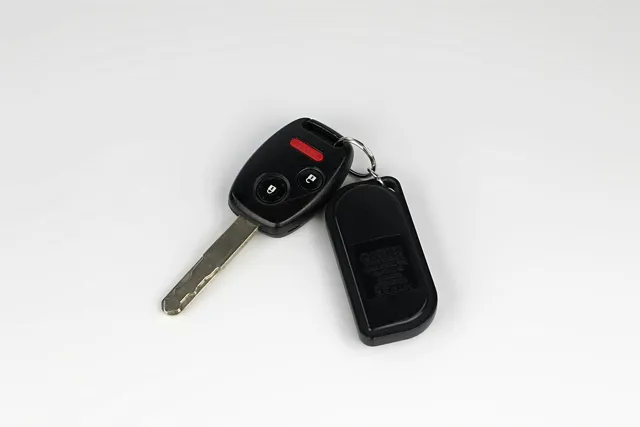
Yes. Most alarms are integrated with the existing central locking so one remote does both.