On this page
01. How an immobilizer works02. Remote engine cut-off through a tracker03. What good installation looks like04. FAQ
An immobilizer interrupts a circuit the engine needs, such as the starter, ignition or fuel pump, until the right key, tag or code is present. An aftermarket immobilizer adds a hidden layer on top of the factory one. A remote engine cut-off does something similar but is triggered through the GPS tracking platform, so an authorised person can stop a stolen vehicle from being restarted.
Key takeaways
- Immobilizers stop the engine starting, so the car can't simply be driven away.
- Aftermarket immobilizers add a layer that thieves don't expect.
- Remote cut-off works through the tracker and the tracking platform.
- Cut-off must be set up so it never stops an engine unsafely while driving.
01How an immobilizer works
02Remote engine cut-off through a tracker
03What good installation looks like
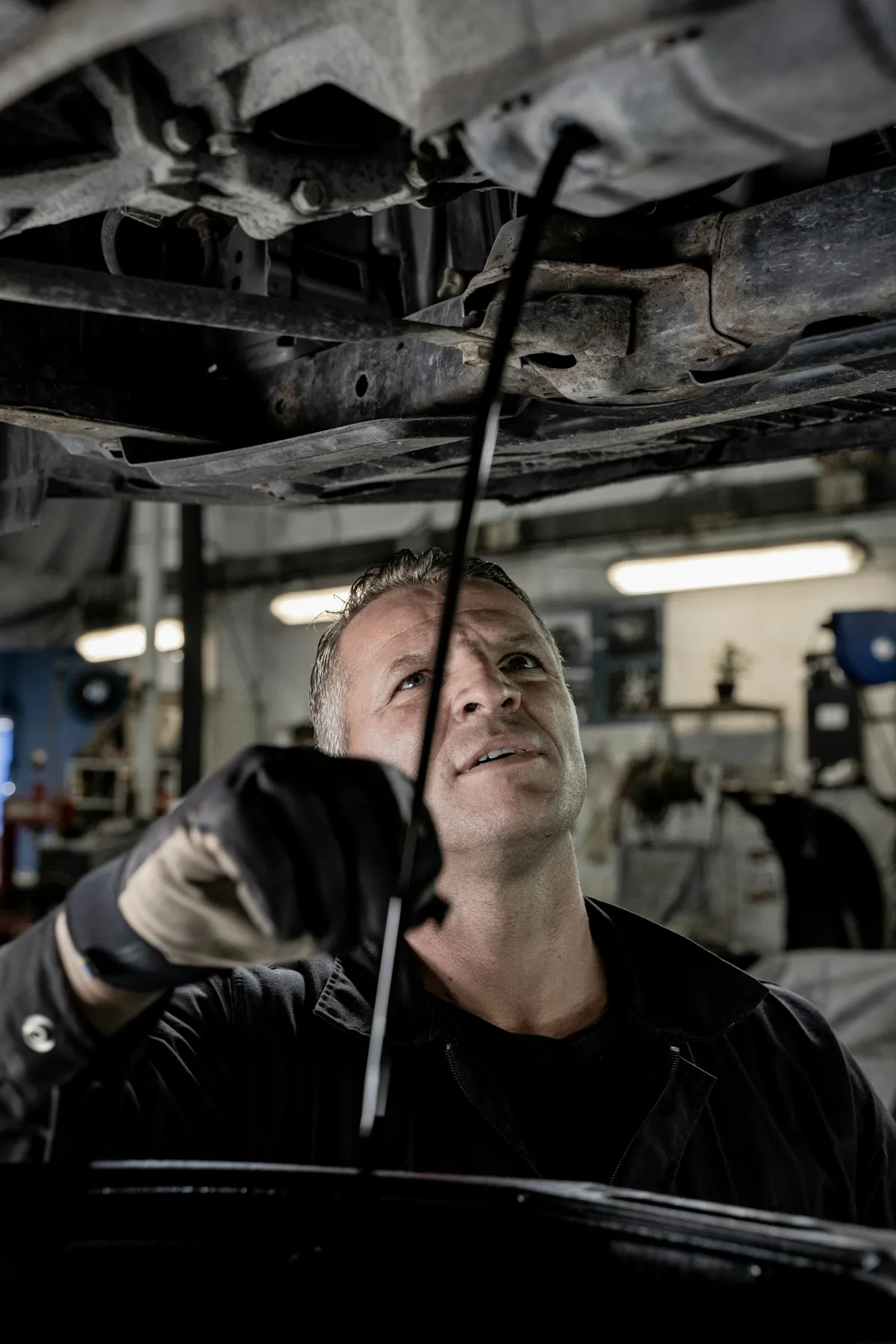
- The relay is hidden and its wiring blends with the factory wiring
- No obvious fuse or connector that 'switches off' the immobilizer
- It re-arms automatically, so it works even if the driver forgets
- Tested with the engine running, stopping and restarting before handover
- The owner is shown how to use it and what to do if a tag is lost
Immobilizers work best with a tracker. See tracker vs alarm vs immobilizer.
04Frequently asked questions
Can an immobilizer damage my car?
Not when it is installed correctly. Poor wiring is what causes problems, which is why a clean, tested installation matters.
What if I lose the immobilizer tag?
A spare tag or an override procedure should be set up at installation. Keep the spare somewhere safe, away from the car.
Can I stop my car remotely while a thief is driving it?
Remote cut-off is usually set to prevent restarting, or to act only at low speed, to avoid causing an accident. Recovery should involve the police.