Quick answer
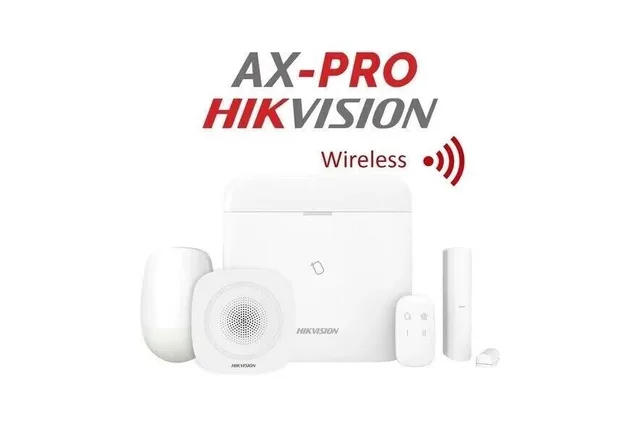
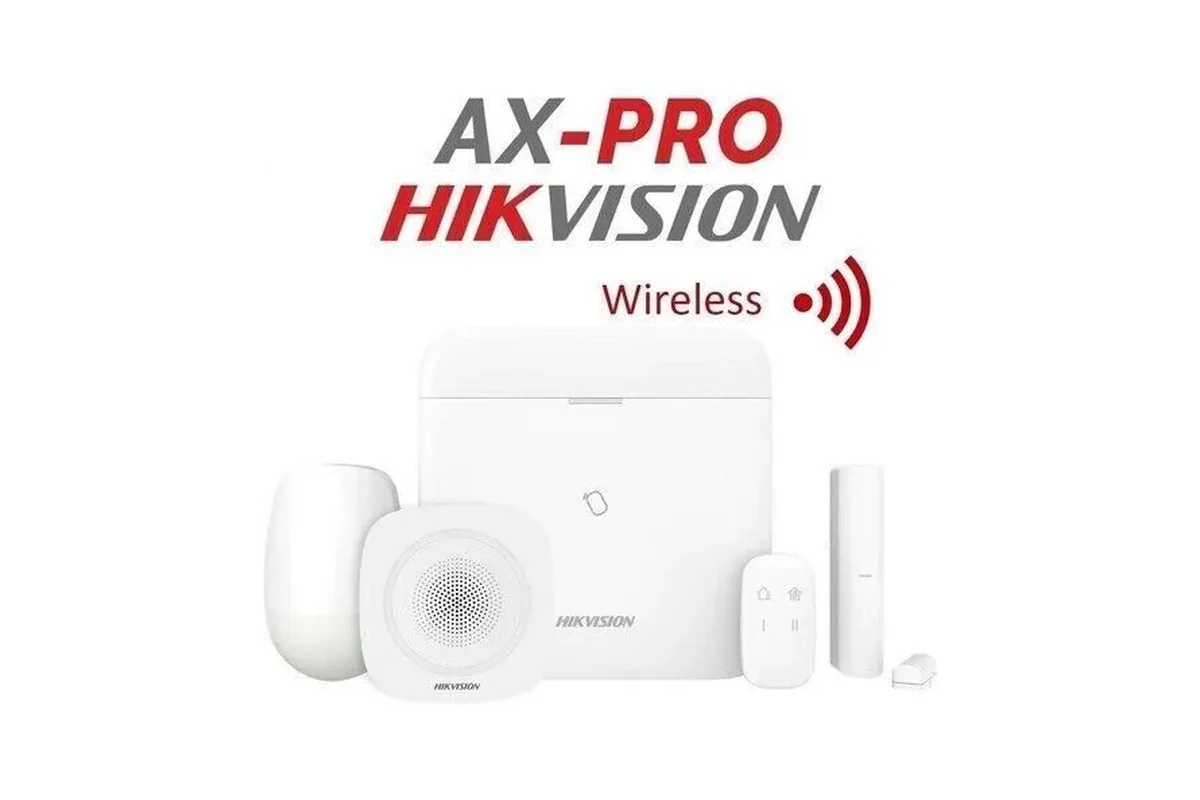
Wireless alarms (like Hikvision AX Pro) install quickly without cutting walls, suit homes and rentals, and are easy to expand; the sensors need battery changes. Wired alarms (like Risco and Texecom panels) use cables to every sensor, are very reliable and suit new builds and large sites, but cost more to install. Many projects use a hybrid: wired where cables are easy and wireless where they are not.
Real products, live prices, in stock now
See the actual productsLive prices from the Qyvea store
Shop all alarm equipment →Key takeaways
- Wireless: fast, tidy, easy to expand, batteries to maintain.
- Wired: very reliable, best planned during construction.
- Hybrid panels give you both.
- Choose by the building and how soon you need it.
- Good installation matters more than the type.
01Side by side
| Wireless | Wired | |
|---|---|---|
| Installation | Hours; no cutting walls | Days; cables in walls or conduit |
| Looks | Tidy, no visible cables | Hidden if planned early |
| Reliability | Very good with good signal | Excellent |
| Maintenance | Sensor batteries every 1 to 3 years | Very low |
| Expansion | Easy; pair new sensors | Needs new cabling |
| Best for | Homes, apartments, shops, rentals | New builds, large sites, factories |
02Which should you pick?
- Finished house, no wish to break walls: wireless.
- New build with cabling planned: wired or hybrid.
- Rental you may leave: wireless, take it with you.
- Large warehouse or factory: wired or hybrid, planned by a professional.
03Equipment in stock
Alarm kits and panels in stock nowLive prices from the Qyvea store
Shop all alarm equipment →04Ask us
When to call a professionalWe survey and recommend the type that suits your building, then install and set it up. Call 0113 301 244 or WhatsApp us.
05Frequently asked questions
Can wireless alarms be jammed?
Quality systems use encrypted, supervised links and report tampering or jamming; ask about this when you choose.
How long do wireless sensor batteries last?
Often one to three years depending on the sensor; the panel warns when they are low.
Can I mix wired and wireless?
Many panels are hybrid and accept both.
Which is cheaper?
Wireless is usually cheaper to install; wired can be cheaper on new builds where cables are already planned.