On this page
01. The moment that matters02. What waiting really takes03. Picture the day after04. How a call travels05. What to check before you buy06. How we set it up07. What we supply08. Your first small step09. FAQ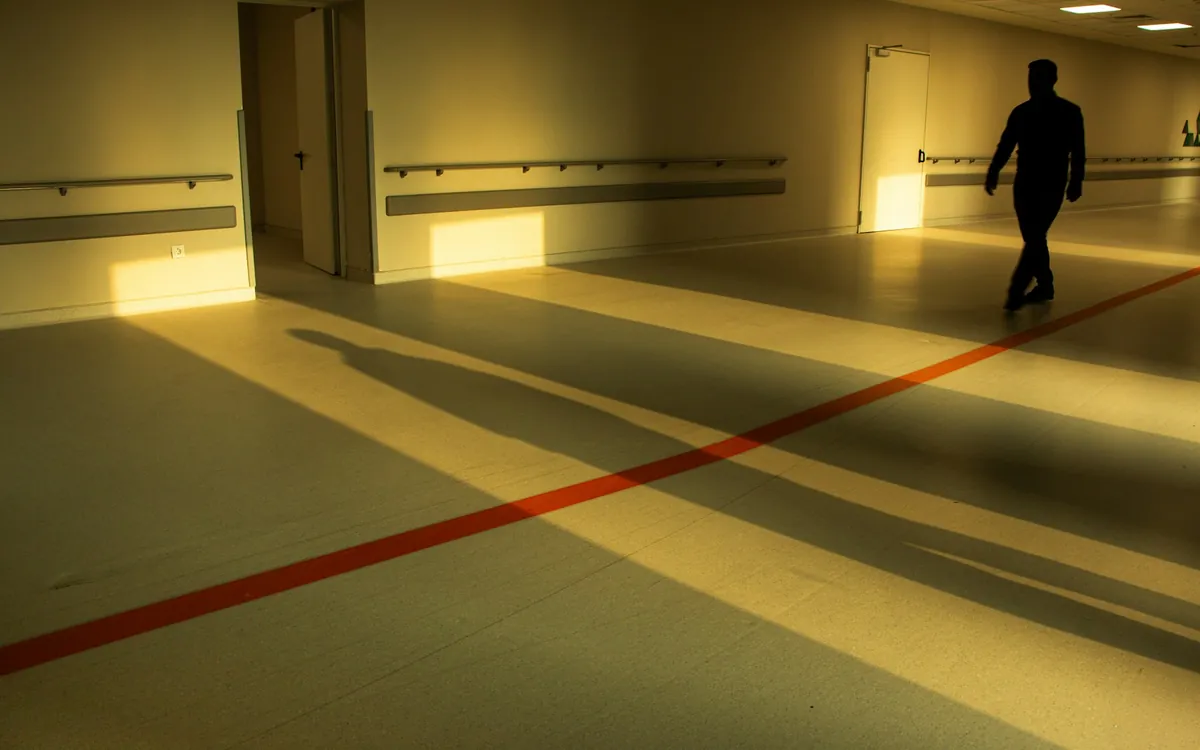
An IP intercom lets any ward, desk or door reach any other in one press over the hospital network, so staff stop walking to ask questions and stop opening doors blind.
Key takeaways
- Walks that a call would replace
- Doors opened blind
- Messages passed along
- Calls that reach nobody
01The moment that matters
A theatre nurse needs to know whether a patient has arrived from the ward. A ward sister needs the pharmacy to send a dose. A receptionist needs to ask security to meet a visitor. In most hospitals each question is a person leaving what they are doing, walking down a corridor and walking back. Multiply it by every question, every shift, every day. Nobody notices the minutes because nobody counts them, but the patients feel them.
02What waiting really takes
03Picture the day after
Now picture the same hospital with an intercom at every key point. The theatre nurse presses once and speaks to the ward desk. The pharmacy answers from its counter. The entrance shows who is waiting and the receptionist lets them in or sends security. Nothing in the building changed except how fast people can reach each other. The corridors are quieter, and staff keep their attention where it belongs.
04How a call travels
05What to check before you buy
| Check | Why it matters |
|---|---|
| Where intercoms go | Wards, theatres, pharmacy, laboratory, reception, entrances |
| Who rings whom | A written call plan, agreed with the matron |
| Hands-free use | For staff who are gloved or busy |
| Network and cabling | Wired, labelled and protected |
| Backup power | The core stays up in a power cut |
| Support | Who repairs it, and how fast |
06How we set it up
- 01Walk the hospitalWe note every ward, desk, door and the routes staff walk to talk to each other.
- 02Draw the call planWho rings whom, which desks share a number and where calls go if unanswered.
- 03Cable and powerNetwork cable to every device, with power over the cable where the model supports it, and backup power for the core.
- 04Fit and configureIntercoms, phones and handsets installed, named and set up.
- 05Test every pointA call from every device to every group, including after-hours routing.
- 06Train each shiftA short session at shift change, then a check after two weeks.
07What we supply
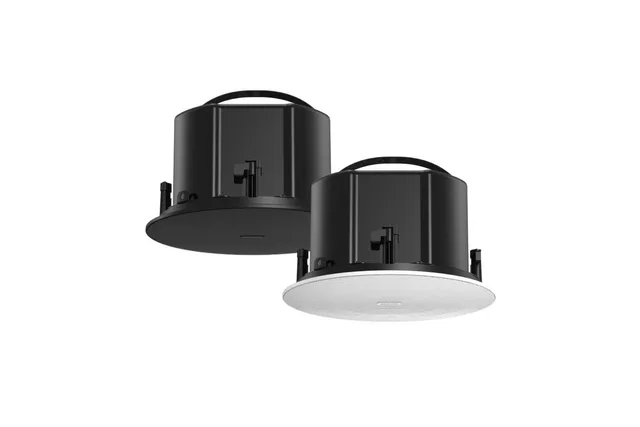
We design, supply and install IP intercoms, SIP desk phones, wireless handsets, ceiling speakers and the network behind them for hospitals, clinics and care homes. We stock Fanvil IP phones and intercoms and can quote other brands where they fit your site better. Send us a plan or a photo of your nurses' station and we reply with a written quote.
08Your first small step
You do not need to decide today. Send us a photo of your busiest nurses' station on WhatsApp and the number of wards, and we will show you, on one page, where intercoms would remove the most walking.
09Frequently asked questions
Is it only for big hospitals?
No. A clinic with a few rooms benefits as much, and the system grows with you.
Will it work in a power cut?
With backup power for the core equipment, yes.
Is it hard for staff to learn?
Press and talk. A short session at shift change is enough.
Can it connect to our nurse call?
In many setups, yes. We plan it at the survey.