On this page
01. What to look for before you buy02. Best prices in stock today03. Why buy from Qyvea04. FAQ
Quick answer
Homes that depend on an electric pump lose water when the power goes. The cheapest fix is storage: a bigger tank filled while power is on. Next is an inverter that can handle the pump's start-up current, and the long-term option is a solar pump system. Size the inverter for the pump's surge, not its running power.
Real products, live prices, in stock now
See the actual productsLive prices from the Qyvea store
Shop all water pumps →Key takeaways
- Storage first: a larger tank.
- Inverter must handle pump start-up current.
- Solar pumps remove the grid dependency.
- Float switches avoid overflow.
01What to look for before you buy
- 01Add storageA bigger tank or a second tank.
- 02Check pump powerRead the plate: running and start-up.
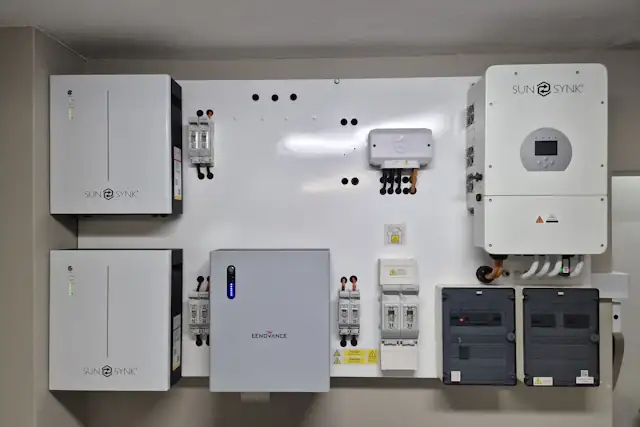
- 03Size the inverterAt least 2 to 3 times the running watts.
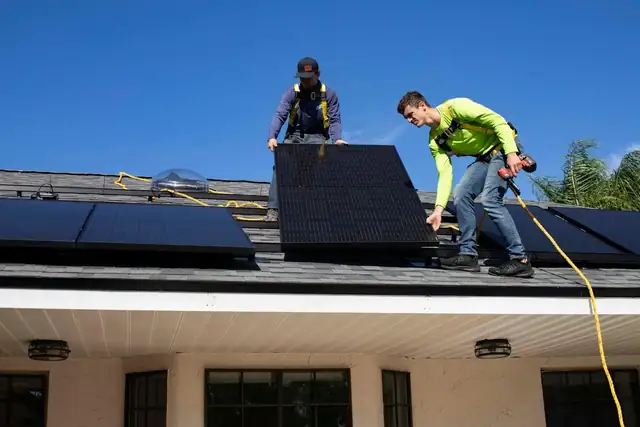
- 04Consider solarA solar pump runs in daylight with no battery.
- 05Add controlsFloat switch or level controller.
02Best prices in stock today
Today's deals on water pumpsLive prices from the Qyvea store
Shop all water pumps →Water pumpsLive prices from the Qyvea store
Shop all water pumps →InvertersLive prices from the Qyvea store
Shop all inverters →Prices update live from the Qyvea store. Tap any product to see full specs, stock and delivery options, or ask us on WhatsApp for a recommendation.
03Why buy from Qyvea
Why Kenyans buy from Qyvea
- Genuine branded products sold with the manufacturer's warranty (typically 6–24 months, varies by product)
- 7-day returns and exchanges; damaged or wrong item? Report it within 48 hours for a free replacement or full refund
- Pay with M-Pesa, bank transfer or card; refunds go back the same way
- Free delivery in Nairobi on orders over KES 5,000, and delivery across Kenya
- Delivered to your door, dispatched once payment is confirmed, rated 4.6/5 from 57 Google reviews (bought from us? leave a review)
- Talk to a person on WhatsApp 0113 301 244, usually within 30 minutes
Full details: return & refund policy.
04Frequently asked questions
Can any inverter run a pump?
No. Pumps draw a large start-up current; size the inverter accordingly.
Is a solar pump worth it?
For borehole and daytime use, often yes.