On this page
01. The moment that matters02. What waiting really takes03. Picture the day after04. How a call travels05. What to check before you buy06. How we set it up07. What we supply08. Your first small step09. FAQ
An analog intercom needs its own wiring and stays as it was installed; an IP intercom runs on your network, grows by adding devices and can join phones and paging.
Key takeaways
- Wiring that stays as it was
- A closed system
- Growth by cabling
- A decision you live with
01The moment that matters
Both kinds of intercom let one person speak to another. The difference shows up two years later. The analog system has its own cable running to every point, so adding a ward means pulling new cable and, often, finding that the control unit has no spare channel. The IP system uses the network the hospital already has, so a new ward is a new device on a switch. Regret rarely comes from the day you buy. It comes from the day you grow.
02What waiting really takes
03Picture the day after
Choose the IP system and the picture changes. The new wing joins the network. A door station can be answered from any desk phone. The intercom, the phones and the paging share one set of cable. Your installer, or your own ICT team, manages it with the same skills they use for everything else. You made one decision and it keeps paying back.
04How a call travels
05What to check before you buy
| Check | Why it matters |
|---|---|
| Your plans to grow | Another ward, another floor, another block |
| Network health | IP depends on cable, switches and power you can maintain |
| Existing equipment | What you already have and whether it can be reused |
| Support | Who maintains it and how fast |
| Backup power | The core stays up in a power cut |
| Support | Who repairs it, and how fast |
06How we set it up
- 01Walk the hospitalWe note every ward, desk, door and the routes staff walk to talk to each other.
- 02Draw the call planWho rings whom, which desks share a number and where calls go if unanswered.
- 03Cable and powerNetwork cable to every device, with power over the cable where the model supports it, and backup power for the core.
- 04Fit and configureIntercoms, phones and handsets installed, named and set up.
- 05Test every pointA call from every device to every group, including after-hours routing.
- 06Train each shiftA short session at shift change, then a check after two weeks.
07What we supply
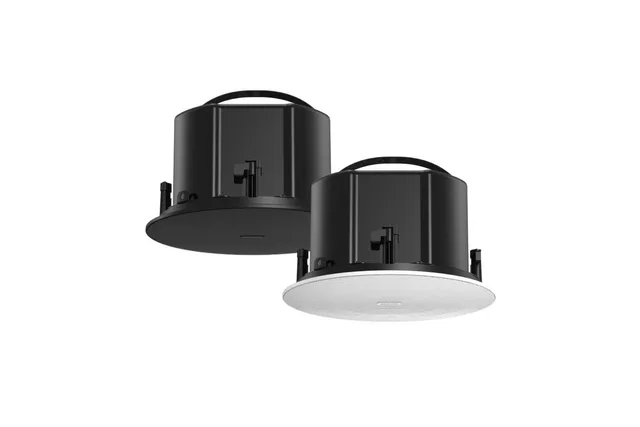
We design, supply and install IP intercoms, SIP desk phones, wireless handsets, ceiling speakers and the network behind them for hospitals, clinics and care homes. We stock Fanvil IP phones and intercoms and can quote other brands where they fit your site better. Send us a plan or a photo of your nurses' station and we reply with a written quote.
08Your first small step
Before you choose, ask every supplier one question: what happens when we add a ward? Write down the answers and send them to us. We will tell you honestly which option fits your plans.
09Frequently asked questions
Is analog ever the right choice?
For a tiny, fixed site with no plans to grow, perhaps. We say so when it is.
Is IP harder to look after?
It needs network knowledge, which we provide or train your team to cover.
Can we keep our old intercom?
Sometimes alongside the new one during a transition.
Does IP need Wi-Fi?
No. IP intercoms are usually on wired network cable.